
Is Anxiety Medication Harmful?
Why do anxiety medications cause side effects even when taken as prescribed by the doctor?
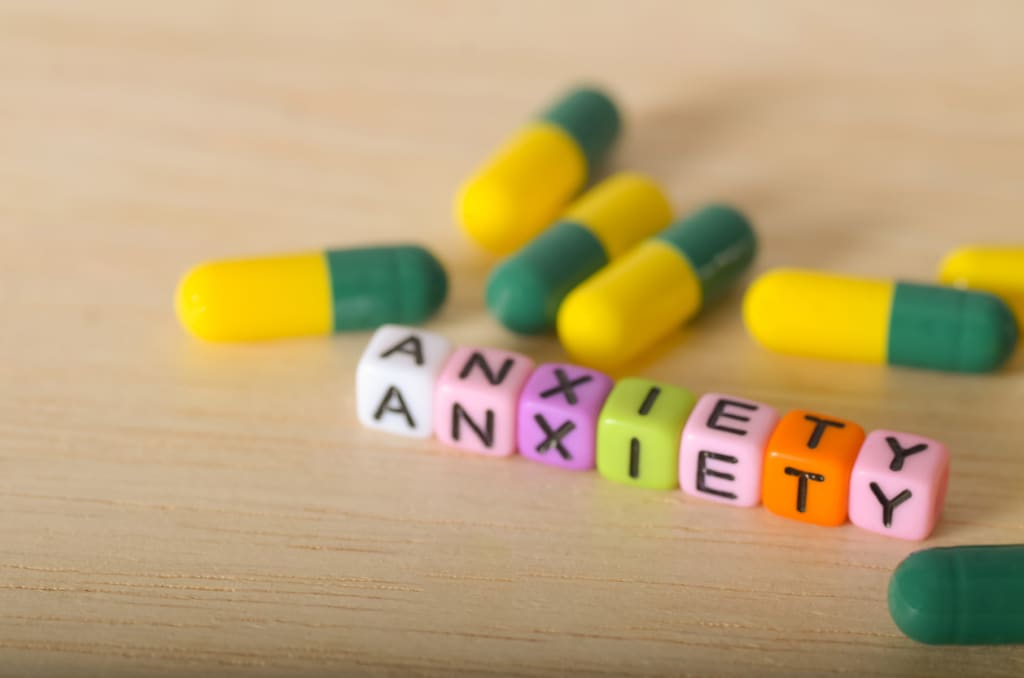
Prescription anxiety medication is a very effective way that provide relief from moderate to severe anxiety conditions. Still, there are many pros and cons when it comes to any kinda life-altering/drug addiction possible course.
Most people have doubts when it comes to taking any kind of medication, and I certainly do. Even when it's something as harmless as a headache medicine, I often avoid pills because I'm worried about their side effects, and I don't want to become addicted to them. This was my common way of thinking, and I know many of you also have. A lot of people with anxiety disorders are scared to take the medications that are supposed to help them because they think they might become dependent on them.
It is very important to learn that taking prescribed medications is not a declaration of being weak or having no control over one's health. Medications are developed by scientists and health professionals to help us get back to a state of normal health. They are intended to manage several severe mental health issues, including anxiety. Of course, we all know that medications can have side effects, but it's extremely necessary to understand that when they do.
Common Side Effects of Anxiety Medications
It is a fact that medicines to cure anxiety may have side effects. Some of the most common side effects can be:
- Having a sleepy or tired feeling
- Nausea or stomach upset
- Change in diet or weight
- Headache
- Having a dry mouth
- Disturbed sleep
Why Side Effects Occur
After talking to my psychiatrist and I am also doing research. One of the reasons I found out is that causes side effects of some anxiety medications vary with each person. In short, some people may have different experiences with medication due to individual differences in their body chemistry.
Here are some reasons that have harmful effects of medications:
- Medication allergies: Reactions resulting from the abnormal sensitivity of certain individuals to a medication.
- Medication idiosyncrasies: Unpredictable reactions that occur in some individuals due to genetic differences.
- Medication interactions: Changes in the effect of a medication caused by the presence of another medication.
- Medication overdose: Poisoning (or contamination) from taking too much of a medication or from not being able to eliminate the medication from the body fast enough (as in the case of some poor medication metabolizers).
- Medication withdrawal: Adverse effects on discontinuation of long-term medication.
It is advisable to report to your physician if you experience symptoms of not feeling like yourself for a prolonged time.
Do the calming pills really work?
Anxiety medications can be overwhelming, particularly with the side effects that must be dealt with. This is why it's so important to have professional healthcare guidance. A mental health professional can help figure out if you really need medication or are better treated with alternatives.
Keep in mind that anxiety medications can take time to work. Some people may experience side effects and have to change medication. Don't try to do it yourself. Getting help is crucial, especially if you're feeling low or thinking of stopping as you feel better now. Changes require a steady hand, and that's best done with professional help.
Generally, medications for anxiety help in the imbalances of neurotransmitters in the brain chemistry of affected people. Anxiety specialists usually consider a few factors:
- What makes you feel anxious?
- How serious your symptoms are.
- Your medical history of any underlying medical issues (e.g., diabetes, PCOD) and/or mental health issues (e.g., insomnia, depression, ADHD) or any nutritional deficiency.
- The effect of anxiety on your everyday functioning.
- The options available are based on your needs for treatment and your thoughts on them.
Based on this evaluation, your psychiatrist will determine whether or not you need medication. They may take into account:
- Chronic symptoms
- Severe symptoms
- Impairment in social, academic, and occupational functioning
- Relationship discord
- Difficulty parenting
- Suicidality
- Degree of suffering
What is the best medication for anxiety?
Multiple types of medications are used to combat anxiety. The most common ones are as follows:
- SSRIs (Selective Serotonin Reuptake Inhibitors)
- SNRIs (Serotonin-Norepinephrine Reuptake Inhibitors)
- Benzodiazepines
- Buspirone
- Serotonin modulators
Each one of these medicines functions by a different mechanism of action. It’s an effective work varies based on anxiety severity or the individual's needs. For example:
- SSRIs and SNRIs are often used for long-term anxiety management
- Benzodiazepines provide quick relief for acute anxiety, but are generally used for the short term due to the risk of dependence.
- Buspirone is less sedating and has a lower risk of dependence compared to benzodiazepines
Anxiety medications work best when taken in pairs with a healthy lifestyle. A healthy lifestyle contains a balanced diet, exercise, and restorative sleep.
Furthermore, some people with anxiety disorder need medications in addition to talk therapy, while some heal without medication, specifically with Cognitive Behavioral Therapy (CBT) and lifestyle changes. CBT helps modify the thoughts that contribute to anxiety.
My Experience with Anxiety Medication
After browsing through different information and having a consultation with my psychiatrist, that is where I found out that when used correctly, anxiety medications are very effective. They can help people deal with the severe or prolonged condition of the disorder, including anxiety disorders.
Nevertheless, medication therapy is usually most effective when our basic lifestyle is clear means our basic lifestyle, such as eating a balanced diet, being physically active, getting restful sleep, and doing stress management techniques like meditation. Suppose basics of this: if you don’t know the basic rules of algebra, how do you suppose to solve a question or go deeper?
Furthermore, some people with anxiety disorder need medications in addition to talk therapy, while some heal without medication, specifically with Cognitive Behavioral Therapy (CBT) and lifestyle changes.
CBT helps modify the thoughts that contribute to anxiety. Other helpful strategies include:
- Regular exercise
- Mindfulness and meditation practices
- Stress management techniques
- Lifestyle changes, such as improving sleep habits and reducing caffeine intake
I hope your doubts regarding medication harmful effects are somewhat clear. When thinking about taking anxiety medication, it is important to remember that you are not alone. Many people have the same concerns as you, and I did too. However, my psychiatrist helped me with all of my concerns.
So, always seek advice from a mental health care professional about any worries or which treatment is best suited for your specific situation. Keep in mind that taking care of your mental health and taking the necessary medications is needed to get yourself back from anxiety.
About the Creator
Neha
Writer & mental health advocate. I have overcome anxiety & embraced my introverted nature. As a person, I consider my mental health as important as my physical health.
Tatt~Master
— Assembly Line Tatt Machine ~ Impressions to Impress — As I begin to understand more about the Tattoo Phenomenon. I've written silly, yet verbatim, dating site anecdotes in 'Frazzled.' So let me ask you: Would you be More attracted to someone slathered with tattoos, or Less?
By Jay Kantor3 days ago in Humor




Comments
There are no comments for this story
Be the first to respond and start the conversation.