
“I Quit Social Media for 30 Days — It Changed My Brain, My Routine, and My Reality”
I thought I'd just gain back some time. I didn't expect to gain back myself.

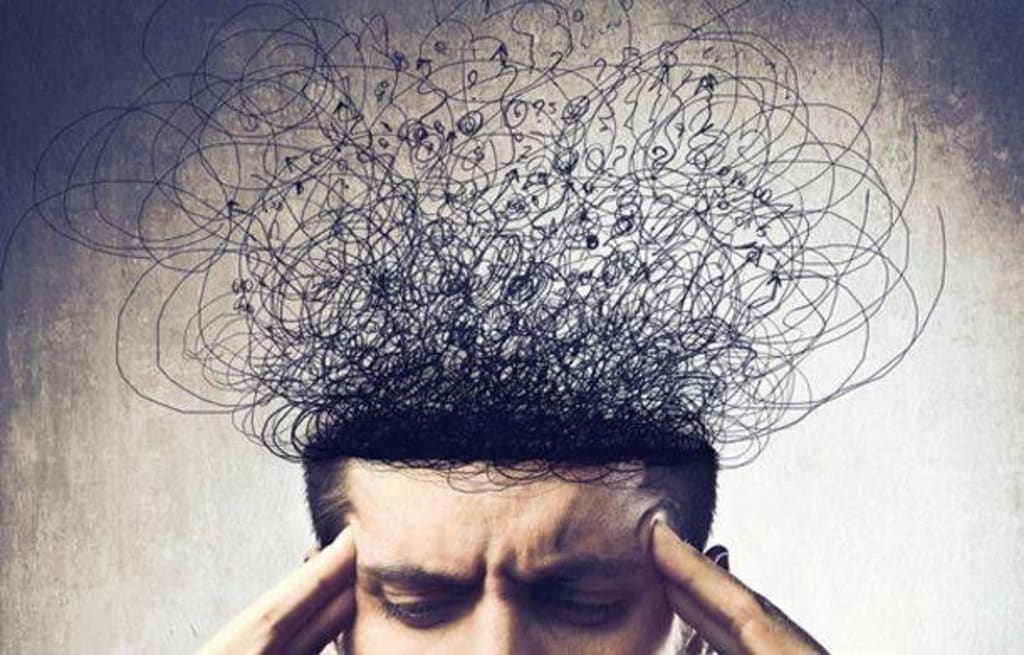
Introduction:
Let me be honest—I didn’t plan on quitting social media. Like most people, I’d scroll through Instagram the second I opened my eyes in the morning, check WhatsApp before I even brushed my teeth, and fall asleep with TikTok sounds in the background. I wasn’t even enjoying it anymore. It was just... a reflex.
One random night, I asked myself a question: “What would happen if I just disappeared from all of this for a while?” Not forever. Just 30 days.
What followed was nothing short of a transformation. Not just in how I spent my time—but in how I thought, felt, slept, created, and connected.
Week 1: The Detox Begins (and It Sucks)
Let’s not romanticize it. The first week was hell. I deleted Instagram, TikTok, Facebook, Twitter (X?), Snapchat, and even YouTube from my phone. The silence was loud.
I felt uncomfortable. Awkward. My thumb kept gravitating toward blank spots on my home screen. I’d open my phone, stare at it like a lost puppy, and then just lock it again. I realized how often I reached for these apps not because I needed them—but because I didn’t want to be bored.
My brain craved dopamine—and wasn’t getting it.
But here’s the wild thing: about five days in, something started to shift.
Week 2: Real Clarity Hits Like a Wave
Without social media, I started noticing things again—like the color of the sky at 6:30 AM. I made breakfast without checking memes. I listened to music without switching apps. I took a walk and actually looked at people instead of my phone.
Mentally, I felt lighter. Emotionally, I was less reactive. My anxiety (which I didn’t even realize was so intense) started to settle down. It was like I had been living in a fog—and now the fog was finally lifting.
One of the strangest realizations? I wasn’t missing anything. The internet moved on without me. And that was oddly freeing.
Week 3: Productivity Mode Activated
This is when things got wild—in a good way.
I started writing again (like this article). I planned a side project I had been procrastinating on for months. I finished a book. I reconnected with old friends—actually calling them, not just liking their stories.
I didn’t think a social media break would boost my creativity, but it did. When your brain isn’t constantly being fed someone else’s ideas, it starts coming up with its own.
My sleep improved. I started journaling. I even cleaned out my closet. Without endless scrolling, I had time—and mental energy—to do things that brought me real joy.
Week 4: Rebuilding a Healthier Digital Life
By week four, I was scared to go back.
I didn’t want to lose this peace. This focus. This strange confidence that had quietly built up inside me. But I also knew I didn’t have to live without social media forever. I just had to use it differently.
So I made a plan:
Only use social media two or three times a week
No scrolling in the morning or before bed
Unfollow people who drain me or make me feel less than
Turn off all notifications
Use my phone intentionally—not automatically
And here’s the truth: the apps didn’t change. But I did.
What This Experience Taught Me
🔹 Time is your most valuable currency — and social media eats it without asking permission.
🔹 Not everything needs to be shared. Some moments are better when they’re just yours.
🔹 Most people you follow aren’t thinking about you—so stop thinking so much about them.
🔹 Peace feels weird at first—but then it becomes addictive.
🔹 Being bored is a gift. That’s when ideas are born.
Conclusion: Try It. Just Once.
I’m not telling you to delete your accounts and disappear into the forest (unless that’s your vibe). But what I am saying is: take back control. Even if it’s just for a week.
You don’t realize how deeply social media shapes your mind until you take a step back. The constant comparison, the dopamine rollercoaster, the fake urgency—it’s not harmless.
But the good news? You can reset. You can reclaim your attention, your focus, and your sense of self.
All it takes is logging out—for a while—to finally log back into your life.
About the Creator
huzaifa Khan
💭 Storyteller | ✍️ Passionate about writing articles that inspire, inform, and spark curiosity. Sharing thoughts on lifestyle, tech, motivation & real-life tales. Join me on this journey of words and ideas. Let’s grow together!
Keep reading
More stories from huzaifa Khan and writers in Psyche and other communities.
This Show Makes You Suspicious on Purpose
At first, it feels harmless. You sit down to watch His & Hers the way you sit down to watch any thriller. Lights dimmed. Phone face-down. A body on screen. A mystery to solve. Two people telling the same story in different voices. You tell yourself this is entertainment. Suspense. Craft.
By Aarsh Malik2 days ago in Psyche



Comments
There are no comments for this story
Be the first to respond and start the conversation.