
How Women Manipulate Through Silence
Understanding the subtle yet powerful ways silence can shape emotions, control behavior, and influence relationships.


Silence can speak louder than words and sometimes, it’s used as a tool of control. While both men and women use silence to protect themselves or communicate indirectly, women often employ it as a form of emotional strategy. It’s not always intentional or malicious; sometimes, it’s a defense mechanism. But in other cases, silence becomes a subtle form of manipulation designed to shift emotional power, trigger guilt, or make someone chase for attention or validation.
Let’s break down nine psychological ways women manipulate through silence and how to recognize them when they appear in relationships, friendships, or professional settings.
1. The Silent Treatment
The classic and most recognizable form of manipulation. The silent treatment happens when a woman intentionally withholds communication to punish or control someone. It’s not about taking space to calm down it’s about making the other person feel the distance and beg for reconnection.
This tactic creates emotional imbalance. The silent person feels powerful and in control, while the other feels anxious and desperate for resolution. Over time, it trains the other person to “fix things” even when they aren’t at fault a pattern that can quietly erode emotional boundaries.
2. Strategic Withdrawal of Affection
Love, attention, and care are powerful currencies in relationships. When these are deliberately withdrawn, it becomes a psychological lever.
A woman might suddenly stop showing warmth, initiating affection, or responding emotionally not because she’s lost feelings, but to make the other person earn them back. This silent withdrawal sends the message: “You only get love when you behave how I want.”
In healthy relationships, affection should be consistent, not conditional.
3. The “I’m Fine” Game
Few phrases carry more hidden emotion than “I’m fine.”
When a woman says this while clearly upset, it’s a form of passive-aggressive silence a way to communicate disapproval without directly addressing the issue. It places emotional responsibility on the other person to figure out what’s wrong.
Instead of open dialogue, it breeds confusion and emotional tension. The other person walks on eggshells, trying to decode feelings that are never spoken.
4. Silence as a Power Move in Conversations
Sometimes, silence isn’t used to avoid conflict it’s used to control the flow of communication.
In group discussions or debates, a woman might intentionally stay quiet while others speak, letting tension build. When she finally speaks, it’s with calculated timing making her voice seem more decisive and in control.
It’s a subtle but powerful move. Silence, when used strategically, shifts the dynamic of authority and can make others feel uncertain or dependent on her reaction.
5. Creating Doubt or Insecurity Through Silence
In this form of manipulation, silence becomes a tool of emotional uncertainty.
A woman might stop responding, delay communication, or give one-word answers, not out of disinterest but to make someone question themselves. The lack of clarity fuels insecurity: Did I say something wrong? Is she upset?
This psychological tactic keeps the other person off balance and seeking approval, reinforcing her emotional upper hand.
6. Guilt Tripping via Silence
This is one of the most emotionally draining tactics. Silence here becomes a form of emotional punishment used to induce guilt.
For example, if a partner forgets an important date or says something wrong, the woman may retreat into silence for days, refusing to express why. The discomfort and guilt push the other person to apologize or compensate excessively, even if the “crime” was minor or misunderstood.
Guilt-driven silence doesn’t repair relationships it breeds emotional submission.
7. Manipulating Expectations Through Silence
Sometimes, silence is used to create uncertainty on purpose.
A woman might not answer a question, delay a response, or remain vague about plans or intentions. This leaves the other person guessing, adjusting, or chasing clarity often doing more work to gain reassurance or validation.
It’s a power play dressed as mystery. But mystery used too long becomes manipulation it makes the relationship feel like an emotional guessing game.
8. Weaponizing “Space” in Relationships
Taking space after a conflict is healthy weaponizing it isn’t.
When a woman says she “needs space” but uses that time to emotionally distance, ignore, or make her partner feel punished, the silence becomes control. It creates an imbalance where one person works to restore connection, while the other decides when or if they’ll give it back.
True space is for healing. Weaponized silence is about dominance.
9. Silence in Friendships and Social Circles
Silence isn’t limited to romance it can shape group dynamics too.
A woman in a friend group might quietly exclude someone from plans, ignore messages, or stop engaging in group chats not openly addressing the issue, but letting silence create tension. The excluded person ends up apologizing or overcompensating for reasons they don’t even understand.
This kind of manipulation thrives on confusion and social pressure, making the silent person appear “innocent” while controlling others emotionally.
Final Thoughts
Silence, in its purest form, can be powerful and healing. It gives space, peace, and reflection. But when used as a weapon, it turns into emotional control subtle, hard to detect, but deeply damaging over time.
Not all silence is manipulation. Sometimes people withdraw to protect themselves or to avoid saying something hurtful. The difference lies in intention: is the silence meant to heal, or to control?
True emotional maturity means communicating even when it’s uncomfortable — speaking with honesty instead of punishing through silence. Because real strength isn’t in who can stay quiet the longest, but in who can speak with compassion and clarity when it matters most.
About the Creator
Zeeshan Ahmad
My name is Zeeshan Ahmad. I have completed my BS in Computer Science and currently work full-time online as a Web Developer. Web design and development is my passion, and I enjoy sharing my experiences and knowledge through blogging.
Keep reading
More stories from Zeeshan Ahmad and writers in Psyche and other communities.
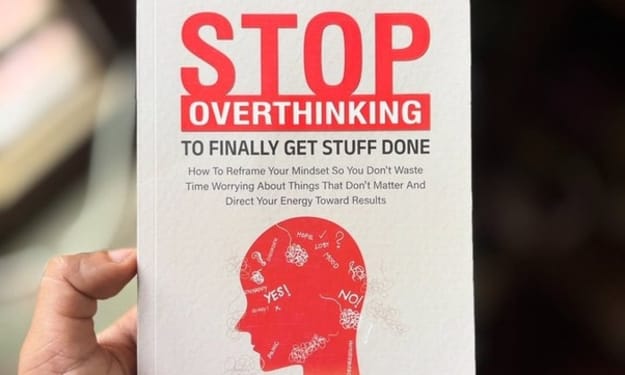
9 Powerful Lessons from the Book “Stop Overthinking” That Will Change Your Life
We’ve all been there lying awake at night, replaying conversations, imagining worst-case scenarios, or analyzing things that never even happened. Overthinking steals peace, drains energy, and keeps us trapped in an endless cycle of “what ifs.”
By Zeeshan Ahmad5 months ago in Psyche
Enough
There is a strange addiction in looking back. We treat the past like a favorite old movie, replaying the scenes where we laughed, where we loved, and conveniently skipping the parts where we cried on the bathroom floor. We polish our memories until they shine like diamonds, forgetting that diamonds are born from immense pressure, not from nostalgia.
By Magma Star5 days ago in Psyche
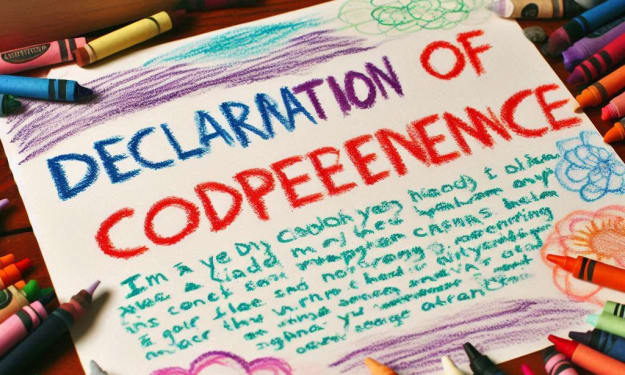
A Historic Declaration
We the People of the Husbands of the United States of America, in Order to form a more perfect Union, and I mean you...with me...establish Justice, insure domestic Tranquility, provide for the common defence, promote the general Welfare, and secure the Blessings of Liberty to ourselves, after Puberty, do ordain and establish this Declaration of Co-Dependence.
By Gerard DiLeo4 days ago in Humans


Comments
There are no comments for this story
Be the first to respond and start the conversation.