
9 Powerful Lessons from the Book “Stop Overthinking” That Will Change Your Life
Simple yet transformative principles to quiet your mind, manage anxiety, and regain emotional control inspired by Nick Trenton’s bestselling book.

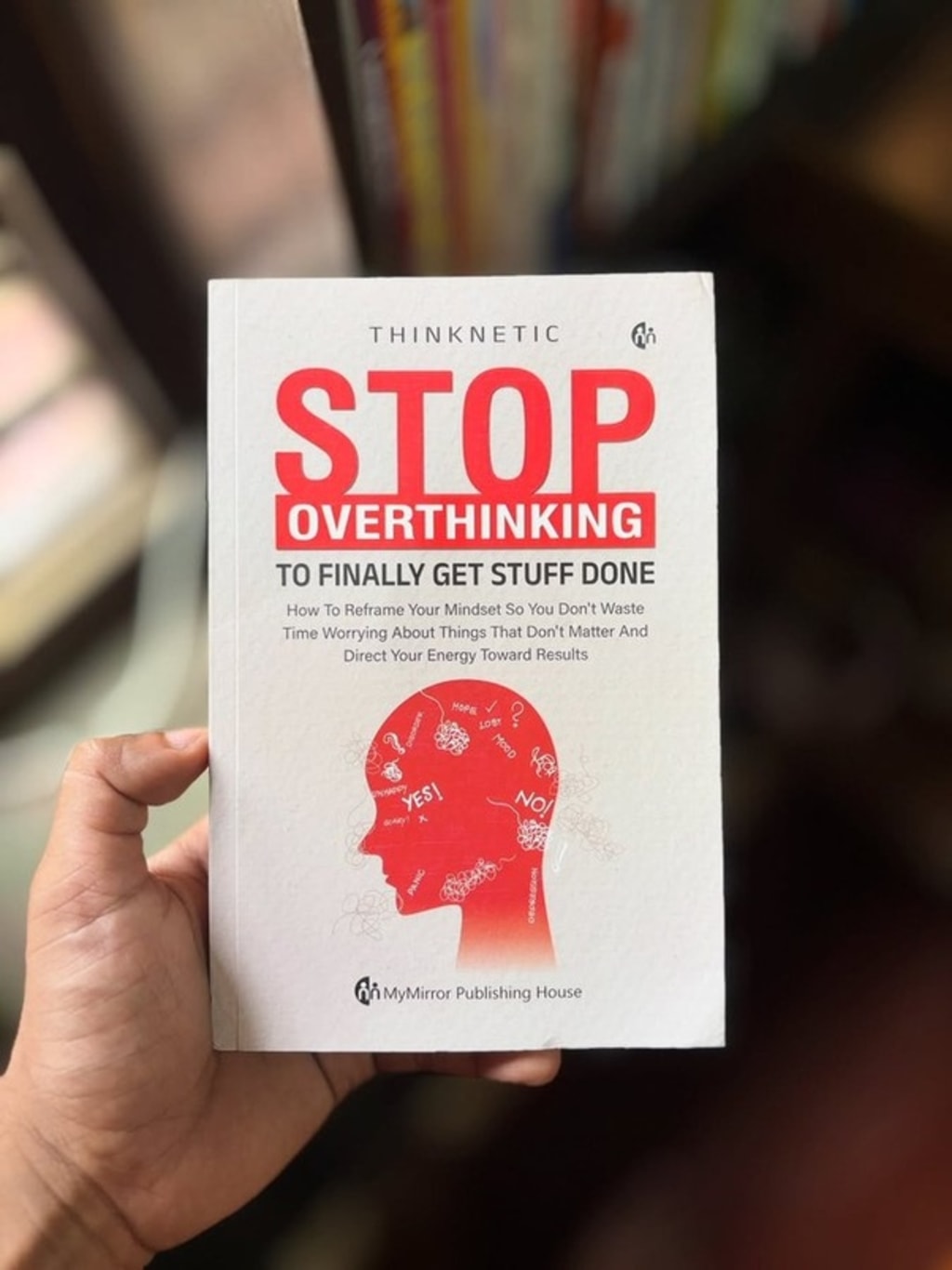
We’ve all been there lying awake at night, replaying conversations, imagining worst-case scenarios, or analyzing things that never even happened. Overthinking steals peace, drains energy, and keeps us trapped in an endless cycle of “what ifs.”
Nick Trenton’s book Stop Overthinking is a practical guide to breaking that cycle. It teaches how to regain control of your thoughts, quiet your inner critic, and live more peacefully. Here are nine powerful lessons from the book that can help you stop being your own worst enemy.
1. Your Thoughts Are Not Facts
The first lesson is simple but life-changing: Just because you think something doesn’t make it true.
Our minds love to exaggerate fears, invent stories, and assume the worst. Trenton reminds us that thoughts are temporary mental events not absolute truths.
When you separate yourself from your thoughts, you begin to see reality more clearly. Instead of believing every anxious idea, start observing it: “I’m having the thought that I might fail,” not “I will fail.”
2. Awareness Is the First Step to Control
You can’t stop overthinking if you don’t even realize you’re doing it. Awareness means catching yourself in the act noticing when your mind starts looping over worries or replaying past moments.
Once you identify those patterns, you gain the power to pause. Simply saying to yourself, “I’m overthinking right now,” interrupts the spiral and gives your mind a chance to reset.
3. Focus on What You Can Control
Overthinkers often obsess about things they can’t change other people’s opinions, the past, or future outcomes. Trenton’s advice: Put your energy only into what you can influence.
Ask yourself, “Is this within my control?” If not, let it go. Peace of mind begins when you stop fighting battles that aren’t yours to win.
4. Perfectionism Is the Enemy of Peace
Many people overthink because they fear making mistakes. They want every decision to be perfect. But Trenton warns that perfection is an illusion.
Progress, not perfection, leads to fulfillment. Instead of asking, “Is this perfect?” ask, “Is this good enough to move forward?” Life is too short to waste on polishing what doesn’t need to shine.
5. Overthinking Comes from Fear, Not Logic
Most overthinking is emotional, not rational. It’s driven by fear, fear of rejection, failure, or uncertainty. Trenton suggests identifying what you’re truly afraid of beneath the thoughts.
Once you name the fear, it loses power. Saying “I’m afraid of being judged” is more manageable than letting your mind create endless anxious stories.
6. Action Breaks the Cycle
You can’t think your way out of overthinking you have to act.
Overanalyzing decisions keeps you stuck in the same loop. Even a small step forward creates momentum and clarity.
As Trenton puts it, “Motion defeats emotion.” Start doing something, anything and watch how anxiety begins to fade.
7. Learn the Power of Letting Go
Letting go doesn’t mean giving up it means accepting what is. You can’t change the past or control every outcome. The more you try, the tighter anxiety grips you.
Trenton encourages practicing mindfulness and acceptance: focus on the present, breathe, and remind yourself that uncertainty is part of being human.
When you stop clinging to control, peace naturally follows.
8. Create Mental Boundaries
Not every problem deserves your full mental energy. Overthinkers often treat every minor issue as urgent. The key is to create mental boundaries.
Set limits on how long you’ll think about something for example, “I’ll spend 10 minutes planning this, then move on.” This simple habit prevents rumination and keeps your focus sharp.
9. Be Kind to Yourself
Overthinkers tend to be harsh self-critics. Trenton reminds readers that self-compassion is the ultimate antidote to mental chaos.
When you make mistakes or feel uncertain, treat yourself the way you would treat a friend with patience and kindness.
Self-forgiveness quiets the mind faster than any logical argument ever could.
Final Thoughts
Stop Overthinking isn’t just a book it’s a gentle reminder that peace is a choice you make moment by moment.
When you become aware of your thoughts, focus on what you can control, take small actions, and show yourself kindness, life begins to feel lighter.
You can’t stop thoughts from coming. But you can stop them from controlling you. And that, as Nick Trenton teaches, is the real definition of freedom.
About the Creator
Zeeshan Ahmad
My name is Zeeshan Ahmad. I have completed my BS in Computer Science and currently work full-time online as a Web Developer. Web design and development is my passion, and I enjoy sharing my experiences and knowledge through blogging.
Keep reading
More stories from Zeeshan Ahmad and writers in Psyche and other communities.
Why Women Test You Harder Once They Feel Attracted
Many men think attraction is the “finish line” in dating. You win her interest, she likes you, and now everything should get easier, right? Not exactly. In reality, attraction is only the beginning. Once a woman feels genuinely drawn to you, something interesting happens: she often starts to test you more.
By Zeeshan Ahmad5 months ago in Psyche
When the Shelter Closes
Across the street from my house, a man slept under a tree, his dog by his side. My first, naive thought: he must be traveling through. But he kept coming back, often sleeping there during the day. Then it hit me—that person might not have a home.
By Bride of Sound6 days ago in Humans




Comments
There are no comments for this story
Be the first to respond and start the conversation.