
How to Support a Partner with Anxiety Without Burning Out
A compassionate guide to helping your anxious partner while safeguarding your own mental and emotional well-being.

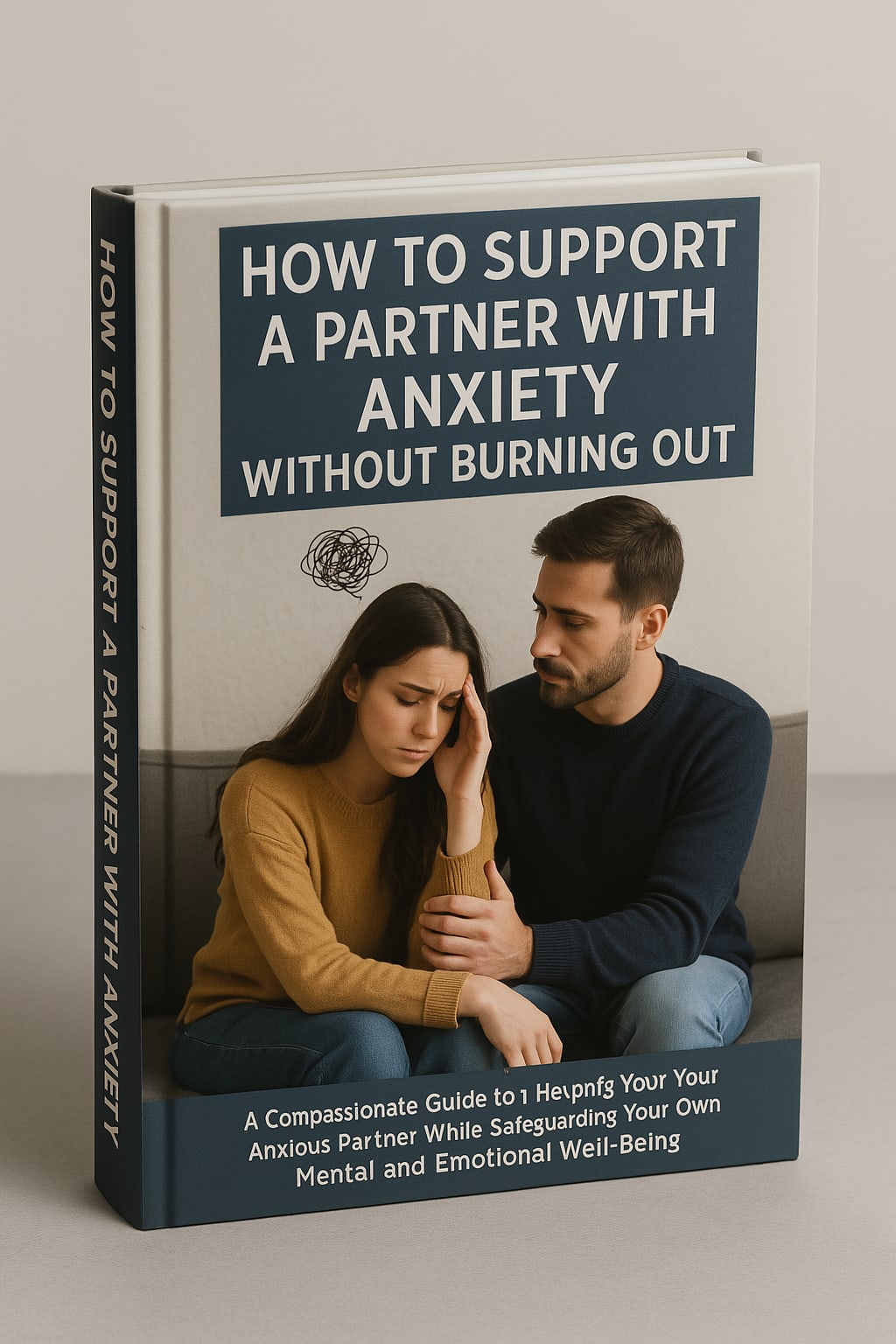
Supporting a partner with anxiety can be a deeply compassionate and fulfilling experience, but it can also be emotionally draining if not managed carefully. As the caregiver, your mental and emotional well-being is just as important. In this comprehensive guide, you'll learn how to effectively support your partner while maintaining your own sense of balance and resilience.
Understanding Anxiety in Relationships
Anxiety disorders affect millions of people globally and can manifest in various ways, including excessive worry, panic attacks, social withdrawal, and obsessive behaviors. When your partner struggles with anxiety, it can shape your relationship dynamics and emotional connection.
Recognizing that anxiety is a medical condition, not a personal flaw, is the first step to being supportive. Anxiety can be triggered by specific situations or may persist without an obvious cause. It’s important to approach the issue with empathy, patience, and an informed mindset.
Key Strategies to Support Your Partner
1. Educate Yourself About Anxiety
Understanding the nature of anxiety, its symptoms, and common coping mechanisms will empower you to respond more effectively. Read books, listen to mental health podcasts, or consult reputable websites to deepen your knowledge.
2. Encourage Professional Help
Your partner may benefit from seeing a therapist, psychiatrist, or counselor. While you can provide emotional support, professional guidance is essential for effective treatment and long-term management of anxiety.
3. Communicate Openly and Honestly
Create a safe space for your partner to talk about their feelings without fear of judgment. Use active listening techniques, ask open-ended questions, and validate their experiences. Avoid minimizing their anxiety or offering quick fixes.
4. Set Healthy Boundaries
Boundaries are critical for maintaining your own emotional well-being. It's okay to say no, take time for yourself, and set limits on how much emotional energy you can give at any one time.
5. Practice Empathy Without Absorbing the Anxiety
Try to understand what your partner is going through without internalizing their stress. Ground yourself in your own emotions and recognize that it’s not your responsibility to "fix" everything.
6. Support Self-Care Practices
Encourage your partner to engage in activities that help reduce anxiety, such as exercise, mindfulness, hobbies, and regular sleep. Joining them in these activities can also strengthen your bond.
7. Recognize Your Own Emotional Needs
It’s vital to remain in tune with your feelings and mental health. Journaling, therapy, or talking with trusted friends can help you process your experiences and gain perspective.
How to Avoid Caregiver Burnout
Supporting someone with chronic anxiety can sometimes lead to caregiver burnout—a state of emotional, physical, and mental exhaustion. Here’s how to protect yourself:
1. Prioritize Self-Care
Make time for activities that recharge you—whether it’s exercising, reading, meditating, or spending time alone. Taking care of yourself isn’t selfish; it’s necessary.
2. Establish a Support System
Talk to friends, join support groups, or connect with others who are in similar relationships. Sharing your experiences can reduce feelings of isolation and provide valuable insights.
3. Know Your Limits
Being honest about what you can and cannot handle helps prevent resentment and emotional fatigue. It’s okay to take breaks and step back when needed.
4. Seek Professional Support for Yourself
Consider speaking with a therapist or counselor. They can help you navigate your role in the relationship and provide tools for emotional resilience.
Signs You Might Be Burning Out
- Constant fatigue or irritability
- Feelings of helplessness or being overwhelmed
- Loss of interest in activities you once enjoyed
- Withdrawal from social interactions
- Physical symptoms such as headaches or insomnia
If you notice these signs, it’s crucial to take action. Burnout not only affects your well-being but can also strain your relationship.
Creating a Balanced Relationship
A healthy relationship with someone who has anxiety is entirely possible. It requires open communication, mutual respect, and an ongoing commitment to self-awareness. Celebrate small victories, maintain a shared sense of purpose, and always prioritize both partners’ mental health.
Supporting a partner with anxiety is a journey that calls for compassion, understanding, and balance. By taking care of your own emotional needs and establishing healthy boundaries, you can foster a relationship that is both nurturing and sustainable. Remember, love and support are most powerful when they come from a place of strength and stability.
Frequently Asked Questions (FAQs)
Q: How can I tell if my partner's anxiety is affecting me negatively?
A: If you notice signs of emotional exhaustion, irritability, or loss of joy, it may be time to assess how the relationship is impacting your well-being.
Q: What if my partner refuses to seek help?
A: Encourage them gently, but don’t force the issue. Set clear boundaries for what you’re able to support and consider seeking help for yourself.
Q: Is it okay to take a break from the relationship?
A: Yes. Taking time for yourself can provide clarity and rejuvenation. It’s important to communicate your needs respectfully and clearly.
Q: Can our relationship survive long-term if anxiety is a constant issue?
A: Yes, with mutual effort, therapy, and healthy communication, many couples thrive despite ongoing mental health challenges.
By maintaining empathy, practicing self-care, and prioritizing honest communication, you can support your partner with anxiety in a healthy and sustainable way.
About the Creator
Richard Bailey
I am currently working on expanding my writing topics and exploring different areas and topics of writing. I have a personal history with a very severe form of treatment-resistant major depressive disorder.
Keep reading
More stories from Richard Bailey and writers in Psyche and other communities.
High-Functioning Depression: Signs People Often Miss
In today's fast-paced, achievement-oriented society, many people are silently battling a form of depression that goes largely unnoticed: high-functioning depression. Unlike more recognizable forms of depression, high-functioning depression often hides behind a mask of productivity, social engagement, and outward success.
By Richard Bailey11 months ago in Psyche



Comments (1)
Great