
How to Relax After a Stressful Day: 12 Science-Backed Techniques for Mind and Body
Fortunately, science offers a plethora of techniques to help you relax and recharge. Here are 12 evidence-based methods to soothe your mind and body after a taxing day.

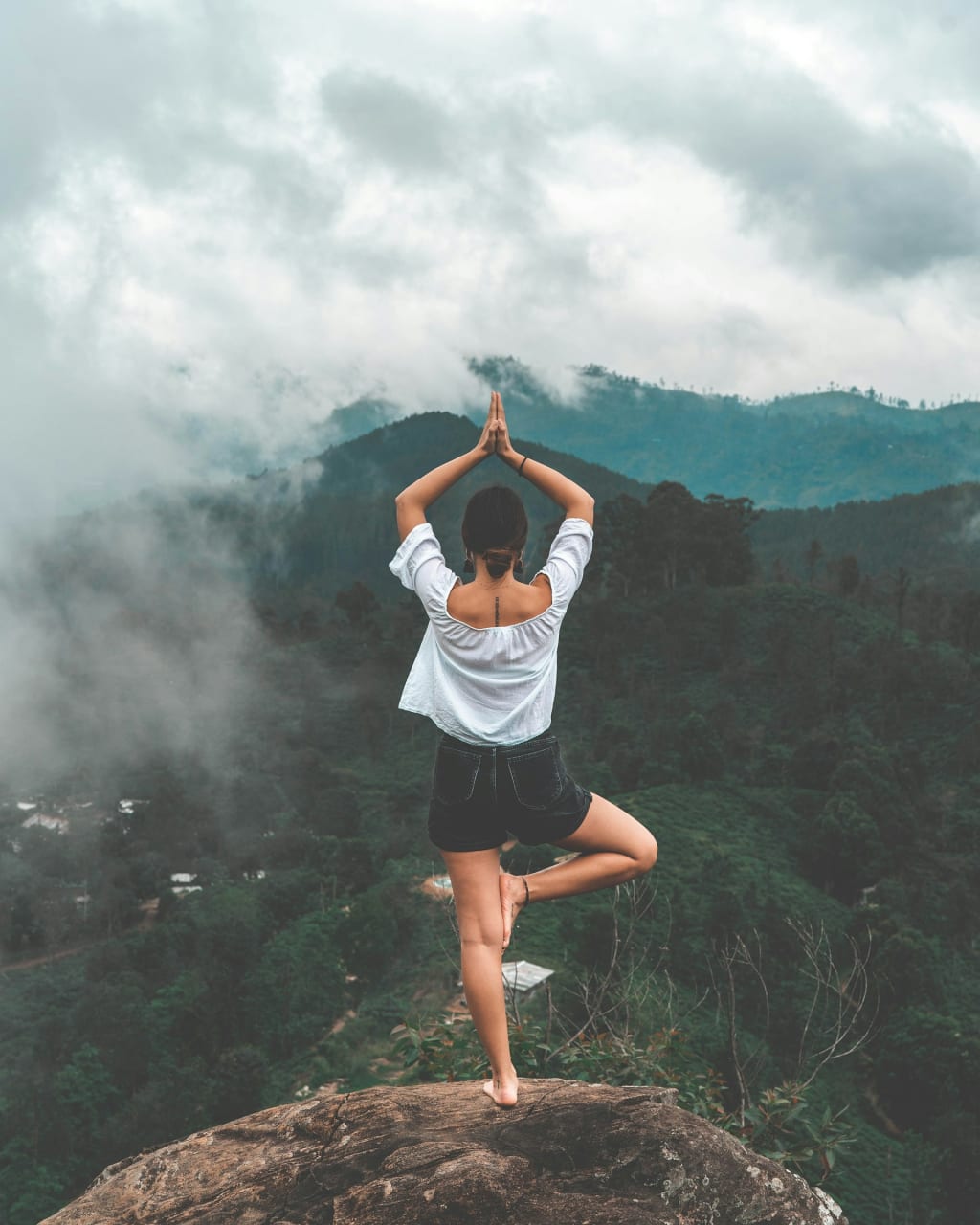
In today's fast-paced world, stress has become an unwelcome companion in our daily lives. Whether its work deadlines, personal responsibilities, or the constant buzz of technology, finding effective ways to unwind is crucial for maintaining both mental and physical health.
1. Deep Breathing Exercises
Deep breathing is a cornerstone of relaxation techniques. Practices like abdominal breathing and box breathing can activate the parasympathetic nervous system, promoting a state of calm. Box breathing, for instance, involves inhaling for four counts, holding for four, exhaling for four, and holding again for four. This method can stabilize your breath and mind, promoting relaxation.
2. Progressive Muscle Relaxation (PMR)
PMR involves tensing and then slowly releasing each muscle group in the body, starting from your toes and working up to your head. This practice can effectively reduce physical tension and psychological stress. Regular PMR sessions can become an automatic response to body tension over time.
3. Unplug from Digital Devices
Constant exposure to screens can contribute to stress and mental fatigue. Allocating time each evening to disconnect from electronic devices allows your mind to rest and can improve sleep quality. Consider setting a specific time to turn off your devices and engage in offline activities.
4. Take a Warm Shower or Bath
A warm shower or bath can have a calming effect on your body and mind. The heat helps increase blood flow, loosen tight muscles, and reduce tension, promoting relaxation and better sleep.
5. Spend Time in Nature
Engaging with nature can significantly reduce stress levels. Activities like walking in a park or simply sitting outdoors can lower cortisol levels and improve mood. Exposure to natural environments has been linked to increased feelings of well-being and relaxation.
6. Practice Mindfulness Meditation
Mindfulness meditation involves focusing your attention on the present moment without judgment. This practice can help reduce stress, improve concentration, and enhance emotional regulation. Even a few minutes of daily meditation can make a significant difference in your stress levels.
7. Engage in Physical Activity
Regular physical activity, such as walking, yoga, or stretching, can help reduce stress hormones and trigger the release of endorphins, which are natural mood lifters. Exercise also helps improve sleep quality and self-esteem.

8. Create a Relaxing Evening Routine
Establishing a calming evening routine can signal your body that it's time to wind down. Activities like reading a book, listening to soothing music, or practicing gentle stretches can prepare your mind and body for restful sleep.
9. Use Aromatherapy
Aromatherapy involves using essential oils to promote relaxation and well-being. Scents like lavender, chamomile, and eucalyptus have been shown to reduce anxiety and improve sleep quality. You can use essential oils in a diffuser, add them to a bath, or apply them to your skin (diluted with a carrier oil).
10. Practice Gratitude Journaling
Writing down things you're grateful for can shift your focus from stressors to positive aspects of your life. Regular gratitude journaling has been linked to improved mood, reduced stress, and better sleep. Aim to write down three things you're thankful for each day.
11. Connect with Loved Ones
Spending time with friends and family can provide emotional support and reduce feelings of stress. Engaging in meaningful conversations or shared activities can strengthen your relationships and enhance your sense of belonging.
12. Ensure Adequate Sleep
Quality sleep is crucial for stress management and overall health. Establish a consistent sleep schedule, create a comfortable sleep environment, and avoid stimulants like caffeine before bedtime. Prioritizing sleep can improve your resilience to stress and enhance daily functioning.
Final Thoughts
Incorporating these relaxation techniques into your daily routine can help you manage stress more effectively and improve your overall well-being. Remember, it's essential to find the methods that work best for you and make them a regular part of your life. If you continue to experience high levels of stress, consider seeking support from a mental health professional.
By taking proactive steps to relax and recharge, you can enhance your resilience, boost your mood, and lead a healthier, more balanced life.
About the Creator
Keep reading
More stories from MD Tarek Aziz and writers in Psyche and other communities.
The Moon doesn’t need consent to Shine: Neither Do I
I've always been drawn to the moon for some reason. When only half of the moon is illuminated, no one questions it. No one expects it to be brighter, fuller, or more pleasing to the eye. No matter where it is, we love and accept it.
By MD Tarek Aziz 11 months ago in Psyche
Top tipple tricks
Been thinking a lot about drinking, lately. Not least because of a recent episode of over-indulgence and the inevitable after effects. Some readers may recall the earlier articles I wrote about beating the booze. Here I set out an experiment in techniques for cutting down on my alcohol intake. The experiment was successful, the techniques worked, and I have armed myself with an arsenal of weapons in the war against the demon drink. I have yet to fire the first round however. It's all a question of timing (perhaps procrastination).
By Raymond G. Taylor5 days ago in Psyche
A Transparent Look at Vocal Challenges and Top Stories
Almost three years ago, we shared a resource article that served as a place for people to suggest new challenge prompts. We thought it would be a good idea to refresh that thread, and take the opportunity to answer a few common questions about top stories, how challenges are judged and how submissions are reviewed.
By Vocal Curation Teama day ago in Resources




Comments
There are no comments for this story
Be the first to respond and start the conversation.