
How to Lower Blood Pressure Naturally:
7 Holistic Tips
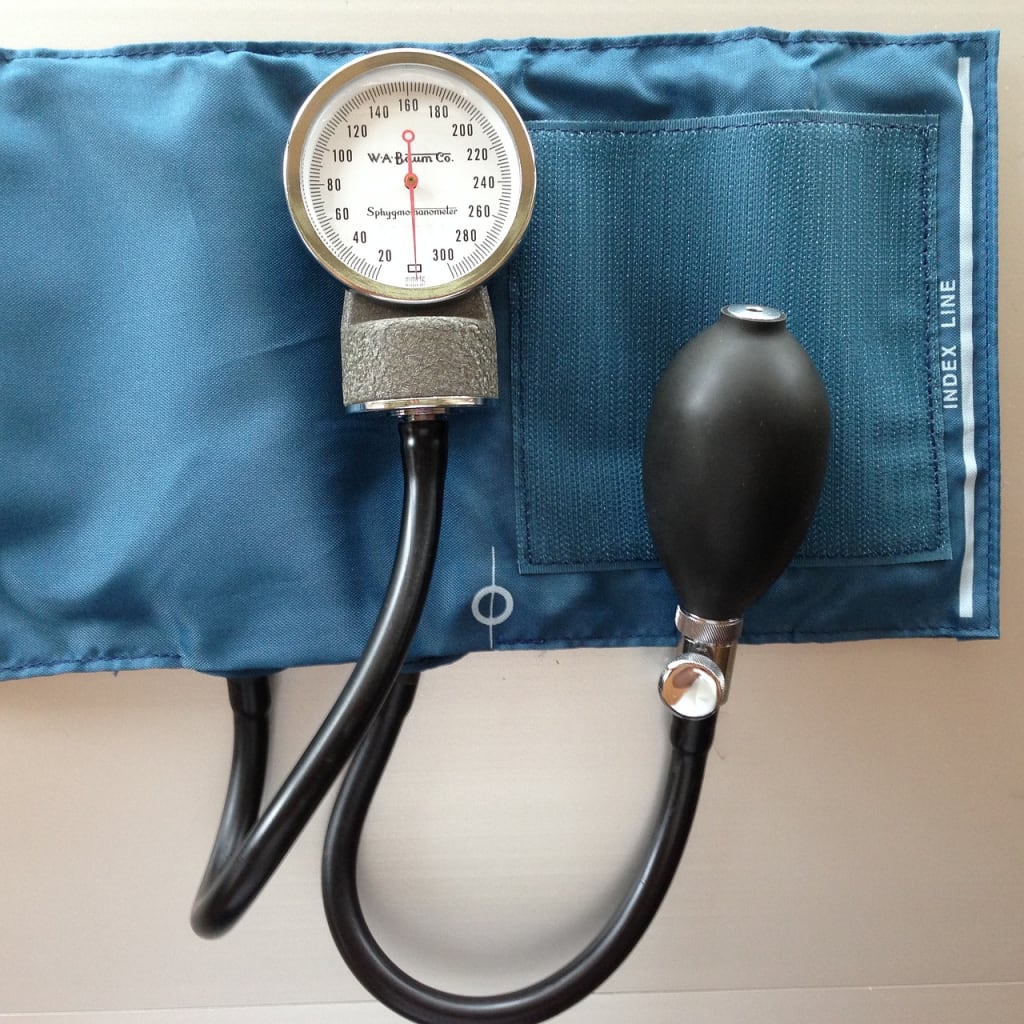
High blood pressure, also known as **hypertension**, affects millions of people worldwide and is a leading cause of heart disease and stroke. While medication is often prescribed to manage it, there are numerous **natural ways to lower blood pressure** that don’t rely on pharmaceutical interventions. By adopting a holistic approach to health, you can improve your cardiovascular health and reduce hypertension naturally. Let’s explore **seven holistic tips** that can help you lower blood pressure and improve overall well-being.
Adopt a Heart-Healthy Diet
One of the most effective ways to lower blood pressure naturally is through your diet. The DASH (Dietary Approaches to Stop Hypertension) diet, which emphasizes fruits, vegetables, whole grains, and lean proteins, has been shown to reduce blood pressure. Incorporating foods rich in potassium, magnesium, and fiber can make a significant difference.
Tips for a heart-healthy diet:
Add more fruits and vegetables to your meals.
Choose whole grains over refined grains.
Reduce your intake of processed and salty foods.
Real-life example: Jane, a 55-year-old woman with hypertension, switched to a heart-healthy diet after being diagnosed with high blood pressure. By eliminating processed foods and incorporating more whole, plant-based meals, she managed to lower her blood pressure significantly within six months.
Exercise Regular
Regular physical activity strengthens your heart, improves circulation, and helps maintain healthy blood pressure levels. **Cardiovascular exercises** such as walking, jogging, swimming, or cycling can reduce blood pressure by improving the elasticity of blood vessels and promoting better blood flow.
The American Heart Association recommends at least **150 minutes of moderate-intensity exercise** per week to lower blood pressure.
Tips for staying active:
Start with a 30-minute walk five times a week.
Find a form of exercise you enjoy, such as dancing or biking.
Set achievable goals to keep you motivated.
Real-life example: John, a 45-year-old office worker, was struggling with high blood pressure due to his sedentary lifestyle. He started walking every day and gradually increased his exercise routine to include swimming and yoga. Over time, his blood pressure dropped to a healthy range without needing medication.
Reduce Salt Intake
High sodium intake is closely linked to high blood pressure. Excess salt causes the body to retain water, which puts extra pressure on the blood vessels. Reducing your sodium intake can lower blood pressure and improve heart health.
To lower sodium intake:
Avoid processed foods and opt for fresh ingredients.
Use herbs and spices to flavor your food instead of salt.
Check food labels for sodium content and choose low-sodium options.
Real-life example: Susan, a busy mother of two, found it difficult to prepare home-cooked meals. After learning about the dangers of sodium, she committed to cooking more at home, using fresh ingredients, and reducing her family’s reliance on takeout. Her blood pressure levels improved within weeks of reducing her salt intake.
Practice Stress Management
Chronic stress can contribute to high blood pressure by releasing stress hormones that constrict blood vessels and elevate heart rate. Incorporating stress management techniques into your daily routine can lower your blood pressure and improve your mental health.
Effective stress-relief techniques include:
Mindfulness meditation: Practicing mindfulness can calm the nervous system and promote relaxation.
Deep breathing exercises: Take a few minutes each day to focus on slow, deep breaths.
Yoga and Tai Chi: These gentle exercises combine movement with mindfulness, helping to reduce stress and improve circulation.
Real-life example: Michael, a 38-year-old entrepreneur, suffered from hypertension due to high levels of work-related stress. After incorporating daily mindfulness meditation and deep breathing exercises into his routine, he noticed a significant drop in his blood pressure and felt more centered in his daily life.
Maintain a Healthy Weight
Carrying excess weight puts added strain on your heart and blood vessels, leading to higher blood pressure. **Losing even a small amount of weight** can make a noticeable difference in blood pressure levels.
Tips for maintaining a healthy weight:
Focus on a balanced diet rich in whole foods and low in processed, high-calorie options.
Exercise regularly to burn calories and improve cardiovascular health.
Set realistic goals and track your progress.
Real-life example: Sarah, who struggled with obesity and hypertension, began a weight loss program that combined healthy eating and regular exercise. After losing 15 pounds, her blood pressure dropped significantly, and she felt more energetic and healthier overall.
Limit Alcohol and Caffeine
Both alcohol and caffeine can cause temporary spikes in blood pressure, and long-term excessive consumption may lead to sustained hypertension. While moderate alcohol consumption may be okay for some, limiting alcohol intake and reducing caffeine consumption can help maintain healthy blood pressure levels.
Tips for reducing alcohol and caffeine:
Stick to one drink per day for women and two for men, as recommended by health guidelines.
Opt for caffeine-free or herbal teas instead of coffee.
Monitor how your body reacts to caffeine and alcohol and adjust accordingly.
Real-life example: Tom, a coffee enthusiast, noticed his blood pressure fluctuating throughout the day. After reducing his coffee intake and opting for herbal tea in the afternoons, he experienced more stable blood pressure levels and fewer anxiety symptoms.
Get Enough Quality Sleep
Poor sleep or a lack of sleep can contribute to high blood pressure, as it disrupts the body’s ability to regulate stress hormones. Adults should aim for at least 7-8 hours of quality sleep per night.
Tips for better sleep:
Establish a regular sleep schedule by going to bed and waking up at the same time each day.
Create a relaxing bedtime routine, such as reading or meditating.
Avoid screens and stimulating activities before bed to improve sleep quality.
Real-life example: Mary, a night shift worker, struggled with high blood pressure due to irregular sleep patterns. By creating a consistent sleep routine and practicing sleep hygiene, she managed to improve her sleep quality, which led to lower blood pressure readings.
Conclusion: Embrace a Holistic Lifestyle to Lower Blood Pressure Naturally
Lowering blood pressure naturally doesn’t have to be difficult or require drastic changes. By adopting small, sustainable habits, you can significantly improve your cardiovascular health and well-being. A combination of a heart-healthy diet, regular exercise, stress management, and mindful lifestyle changes can help you reduce hypertension and prevent future health complications.
By embracing these seven holistic tips, you’re not only lowering your blood pressure—you’re investing in a healthier, longer, and more fulfilling life.
About the Creator
Keep reading
More stories from Prabhakar Veeraraghavan and writers in Psyche and other communities.
Is a Plant-Based Diet the Key to Long-Lasting Health?
In recent years, the rise of the plant-based diet has captured the attention of health enthusiasts, scientists, and even athletes. It’s no longer a niche trend but a movement toward healthier living and sustainability. People are now recognizing that what they eat has a direct impact not only on their body but also on the planet. The question many ask is: Is a plant-based diet the key to long-lasting health?
By Prabhakar Veeraraghavanabout a year ago in Psyche
Top tipple tricks
Been thinking a lot about drinking, lately. Not least because of a recent episode of over-indulgence and the inevitable after effects. Some readers may recall the earlier articles I wrote about beating the booze. Here I set out an experiment in techniques for cutting down on my alcohol intake. The experiment was successful, the techniques worked, and I have armed myself with an arsenal of weapons in the war against the demon drink. I have yet to fire the first round however. It's all a question of timing (perhaps procrastination).
By Raymond G. Taylor3 days ago in Psyche
If Love Were Worth Begging For, It Would Have Been Given to Me Generously Without Asking
If you’ve ever stared at your phone waiting for a message that never came… If you’ve ever rewritten a text ten times because you were afraid of sounding “too much”… If you’ve ever begged someone—silently or directly—to treat you the way you deserved…
By Ahmed aldeabella7 days ago in Psyche
The Politics of Playing Dress-Up
Well, to start off I'd like to say a happy world book day to all who celebrate. I know I haven't really posted anything on my socials about it but I'm not a jubilant kind of person. I lay low most of the time. Let's start off with a popular anecdote from the vaults...
By Annie Kapur7 days ago in Geeks




Comments
There are no comments for this story
Be the first to respond and start the conversation.