
How Long Can Postpartum Depression Last?
Is it baby blues, or is it something more?
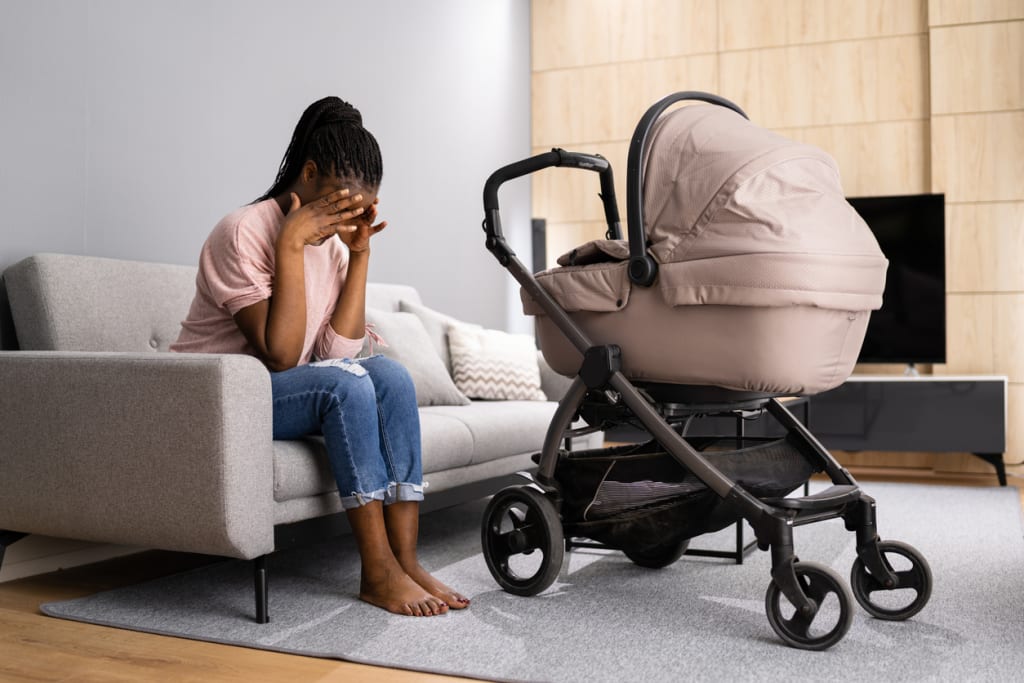
When a baby is born, it is natural to expect that the parents will be thrilled and happy beyond measure. Mothers, especially, are bound to be the happiest for bringing a new life to earth. However, this is a textbook reaction. In reality, many new mothers feel sad, scared, or stressed after childbirth.
This happens because a huge part of them goes through a drastic change during the whole process of carrying a baby in their womb and giving birth. Their body, mind, and everyday activities change after the arrival of a baby. This affects a lot of new mothers and can take a toll on their mental health. Most commonly, new mothers may feel an intense feeling of sadness or frustration towards the baby.
Sometimes this sadness goes away in a few days, but sometimes it lasts longer. When this sadness stays for weeks or months, it may be postpartum depression, also called PPD.
How Long Does Postpartum Depression Usually Last?
The duration of postpartum depression can vary from person to person. It can depend on many things, like hormones, family support, stress levels, and past mental health. It typically occurs within the first year of childbirth and lasts for more than two weeks, with or without treatment. During this short period, it often gets brushed under the carpet as ‘baby blues’.
However, if the sadness does not go away even after 2 weeks, it becomes concerning, and consulting a professional mental health care worker becomes necessary.
The most prevalent reasons mothers do not seek treatment for postpartum depression are:
- Lack of a diagnosis
- The belief that mothers should just ‘suck it up’
- Not knowing what type of treatment is available
- Not having access to treatment or resources
- The feeling of guilt, and not feeling good enough
- Feeling too depressed or anxious to seek treatment at all
Postpartum depression commonly lasts 3 to 6 months after receiving effective treatment from an experienced psychiatrist. But when it is not treated, it can last much longer. Some mothers may continue to feel symptoms for 1 to 2 years after childbirth if they do not get help.
It is important to know that postpartum depression does not go away by itself quickly. Just “waiting” is not enough. Proper support, therapy, sleep, and sometimes medicine may be needed.
Why Does Postpartum Depression Last Longer Sometimes?
Postpartum depression lasts longer than usual when there are external problems in the life of the mother, like:
- Not getting enough rest or sleep
- Being subjected to stress at home or work
- Financial pressure
- Relationship problems
- Experiencing a difficult pregnancy or childbirth process
- Having a baby who wakes up frequently and doesn’t sleep much
- Facing a lack of emotional support from her partner and/or relatives
- Having a personal history of anxiety or depression
- Hormonal changes
Postpartum depression can last a short or long time. Some mothers feel better in as little as a few weeks, and for others, it may take months. Some mothers take a year or more. The key thing to note is that postpartum depression is treatable. With rest, support, and treatment, all mothers can recover.
Whatever the feeling, postpartum depression does not mean that a mother is "weak." It simply indicates that her body and mind need time and support to heal. For anyone experiencing postpartum depression, it is best to reach out for help, and this is definitely a brave thing to do!
About the Creator
Keep reading
More stories from Ankita Dey and writers in Psyche and other communities.
Broken Pieces
It's been almost three months. I tried to fall for you slowly, easily, so I could protect my heart. Those attempts failed. You are so kind, considerate, and empathetic. I felt that when you looked at me, you saw me all the way to my soul. The physical attraction was immediate and intense. Two lost and broken souls just trying to find their way home. The first time I looked into your sky-blue eyes, I saw sadness, I saw exhaustion, and the vast emptiness that comes from just giving up. However, in each other, we found hope. I could see that spark of hope in your eyes. That you wanted this to be real just as much as I did, something to hold onto, something true, something that could last a lifetime and not just until things got too hard. We moved in together pretty quickly due to life and circumstances. Honestly, we needed each other to hold on to at night. I know now that your life has been riddled with demons, pain, depression, anxiety, ptsd and so many triggers from your past. You have never been given the right mental tools to move through your pain and torment. So, you have just remained silent and swallowed your pain. No one should have to hold that much pain alone. It has been a task trying to help you, but also hold space for my own well-being, but I want you to know that you are worth it to me. You are not too broken and will never be too broken. I want to show you that I can hold space for both your mental health and my own. We both have so much going on in our minds, and we both try to hold each other up as best we can. When your demons come out to play, I try to slay them or at least make them shut the fuck up, and you do the same for me. We can hold each other, cry, scream at the world, go break shit together, or just sit in silence. I'm trying to learn what you need in your moments of mental health crisis, and I can tell you're trying to learn what I need as well. Have you ever heard of the term "hot mess"? That describes us perfectly. But we are perfectly imperfect. I am your Juliet, and you are my Romeo, as cheesy as that sounds. I swear we're going to be okay. I swear we're going to get healthy together. I've already done some work myself, but we are a team now, and we have to work together. I'm not leaving you. Where you go, I go, together forever. Mental health is a cruel mistress that holds no prisioners. You are such a beautiful soul that has come into my life, and you've helped me in so many ways. You help add structure in my life, you help with my daughter, you're my friend I can talk through my day and emotions with, my partner I can figure out life with, my lover, when I can't breathe because of a panic attack, you hold me and talk me through it. I wouldn't go back to being alone. I want you, all of you, even the broken pieces, because you take me and my broken pieces. Life is full of broken pieces, but what makes it better is to find that special someone who will hold both you and your broken pieces and still say I love you no matter what.
By Lindsey Altom8 days ago in Psyche


Comments
There are no comments for this story
Be the first to respond and start the conversation.