
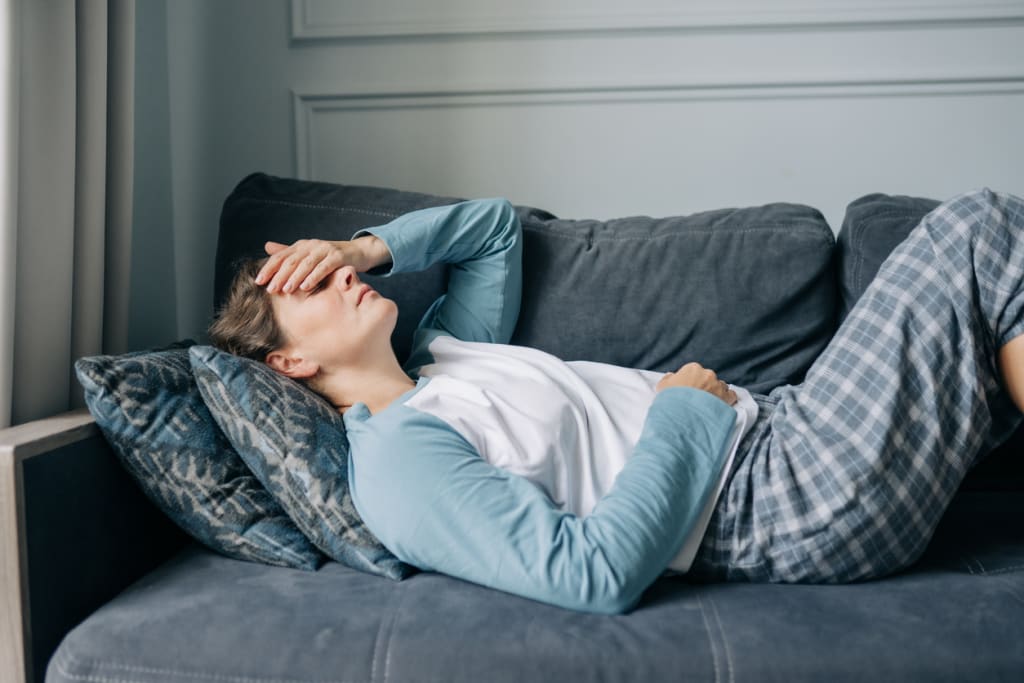
Anxiety is a very common disorder that people all over the world suffer from daily. It occurs when your mind perceives the presence of danger, even when there isn’t any, and makes your body react accordingly.
- Excessive worrying
- Trouble sleeping
- Irritability
- Trouble concentrating
- Physical symptoms
Some people can experience frequent headaches when they feel anxious. So, the question arises: can anxiety cause headaches? This blog will aim to clear up doubts about this question.
How does Anxiety cause Headaches?
When you feel anxious, your brain sends signals to your body to prompt certain reactions. This can include - changes in breathing rate, muscles tightening, disturbances in the body clock, etc. All of these together can trigger headaches.
The most common headache caused by anxiety is a ‘tension headache’. This headache feels like:
- A tight band around the head
- Pressure on the forehead
- Pain in the back or sides of the head
- A heavy or dull ache
This headache is triggered when the muscles in your neck, shoulders, and jaws tense up due to anxiety. Migraines, which are stronger headaches, can worsen in the presence of anxiety.
Due to the change in breathing rate, the oxygen intake in your body changes drastically, which can cause pain in the nostrils and head.
Common Symptoms of Anxiety Headaches
How do you differentiate a normal headache from one caused by anxiety? Here are a few symptoms to look out for, which can help:
- Pain that gets worse during stressful moments
- A feeling of tightness, pressure, or heaviness
- Pain around the temples
- Pain that spreads from the neck to the head
- A headache that reduces when the body relaxes
- Tiredness, shoulder tension, or jaw stiffness, along with the headache
Individuals with anxiety may also unconsciously grind their teeth, particularly during the night. This tension in the jaws creates additional tension in the head, which results in an increased headache. Lack of sleep also exacerbates this effect. When the brain is preoccupied with worry, the body cannot achieve a restful state of sleep. A brain that is fatigued is generally more sensitive to pain, and headaches are more easily triggered.
Stress hormones also act on the body. With anxiety, the body releases hormones such as cortisol. These hormones are helpful for short periods, but prolonged elevated levels of these hormones could affect nerves as well as blood flow, contributing to headaches and fatigue.
Failing to eat regularly or drink enough fluids during a high-stress day will also trigger headaches. Anxiety can lead many individuals not to eat or to excessively consume caffeine, both of which could contribute to worsening pain.
How to Reduce Headaches Caused by Anxiety?
Since the main trigger of such headaches is anxiety, the only way to reduce the pain is by calming your mind and body. Deep breathing can be one of the easiest and quickest ways to relax. When we breathe slowly, we can decrease muscle tension and increase blood flow. A simple technique is:
- Inhale for 4 seconds
- Hold for 2 seconds
- Exhale for 6 seconds
- After a few minutes of practicing this, we can calm our bodies.
Stretching the neck and shoulders can be very helpful as stress typically accumulates in these areas. Simple stretches, shoulder rolls, and using a warm cloth on the neck are also quick ways to relieve tension.
Getting good sleep can be beneficial, too. Going to sleep at the same time each night, cutting down on screen time prior to sleep, and keeping the room dark and quiet can help your mind rest better. Better sleep helps improve the frequency of headaches.
Eating at regular times and drinking enough water can help relieve anxiety-related headaches, too. Having healthy snacks around in case of low blood sugar helps avoid this feeling on stressful days.
Cutting down on caffeine is also another helpful way of reducing anxiety that can be maintained without headaches. Switching from drinking a caffeinated beverage to herbal tea or water can keep your body more relaxed.
About the Creator
Keep reading
More stories from Ankita Dey and writers in Psyche and other communities.
How To Relieve Chest Tightness From Anxiety?
One of the most uncomfortable symptoms of anxiety is chest tightness, or anxiety chest pain. When anxiety strikes, it might feel like your chest is suddenly very heavy, as if something is sitting on it. Sometimes, if it lasts a long time or keeps recurring, it can make you worry about your heart.
By Ankita Dey4 months ago in Psyche
Premium vs Budget Tarot Readings: What the Price Actually Buys
What separates a premium tarot consultation from a budget one? The core difference lies in three measurable service variables: session duration (10–20 minutes vs 40–60 minutes), pre-session case preparation by the practitioner, and post-session follow-up availability — as observed on direct-connection platforms like Astroideal.com that operate without intermediary agencies.
By Enrique Martinezabout an hour ago in Psyche
I was in a Toxic Relationship, with my Workplace
“You got that?” My ex yelled. His hands were balled into fists at his side. At six foot three, he towered over me. A normal person would have been afraid, but I looked up a video of George Lopez repeatedly saying, “I got this,” and showed it to him. I had grown used to this treatment, so much so that I didn’t blink when he ripped the phone from my hand and threw it across the room.
By Jade M.5 days ago in Confessions



Comments
There are no comments for this story
Be the first to respond and start the conversation.