
How Childhood Trauma Shapes Our Romantic Choices
Unhealed wounds often whisper the loudest when we fall in love.


Why do we keep falling for the same kind of person? Why do we sometimes stay in relationships that hurt us, or chase after those who pull away?
The answers often lie far behind us — in childhood.
Our earliest relationships shape the blueprint for how we love, trust, and bond. When those early experiences are marked by neglect, unpredictability, or emotional absence, our adult romantic lives don’t escape untouched. Instead, our unhealed wounds show up disguised as preferences, types, or patterns.
In this article, we’ll explore how childhood trauma silently influences who we’re drawn to, how we attach, and why healing the past is essential to finding healthy love.
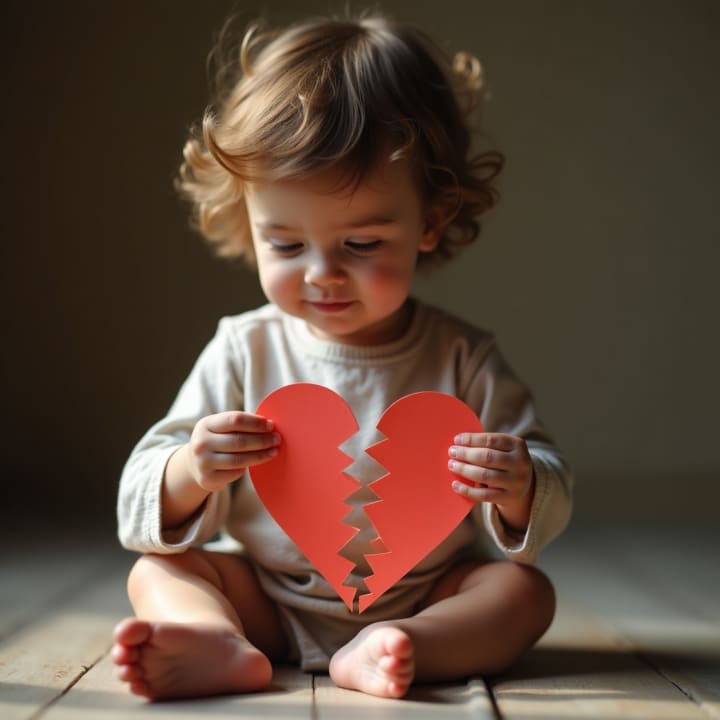
Section 1: The Attachment Blueprint
Attachment theory tells us that the emotional bond we formed with our caregivers shapes how we form intimate connections later. These patterns usually fall into four categories:
Secure Attachment – Comfort with intimacy and autonomy.
Anxious Attachment – Craving closeness but fearing abandonment.
Avoidant Attachment – Struggling with emotional intimacy and suppressing needs.
Disorganized Attachment – A mix of both, often linked with trauma or abuse.
If we were ignored, smothered, criticized, or neglected — those dynamics become our "normal." And in adulthood, we unconsciously gravitate toward familiar patterns, even if they hurt.
Section 2: Trauma as Attraction
We don't just fall in love with people. We fall in love with what's familiar. Childhood trauma teaches us to associate love with:
Inconsistency
Emotional unavailability
Conditional affection
So when we meet someone who triggers those same emotional highs and lows — it can feel like home. But it’s not home. It’s a repetition of an old wound.
That’s why healthy love can sometimes feel boring or “too calm” — because chaos feels like passion when you’ve grown up in it.

Section 3: The Patterns We Repeat
Childhood trauma can shape us in ways we don’t always recognize. Some common patterns include:
Choosing partners we have to “fix.”
Being drawn to emotionally distant or inconsistent people.
Mistaking anxiety for attraction.
Sabotaging healthy relationships out of fear.
These patterns aren't flaws — they’re survival strategies we learned young. They helped us cope once, but they’re now getting in the way of real intimacy.
Section 4: Emotional Triggers in Relationships
Romantic partners often touch the rawest parts of our psyche. This is why certain behaviors trigger us deeply — not because of the moment, but because they echo something old.
For example:
Your partner ignoring a message might feel like abandonment.
Criticism might reopen wounds from a hypercritical parent.
Closeness might feel unsafe if you had invasive or enmeshed caregivers.
Until we become conscious of these patterns, we’ll keep acting them out.
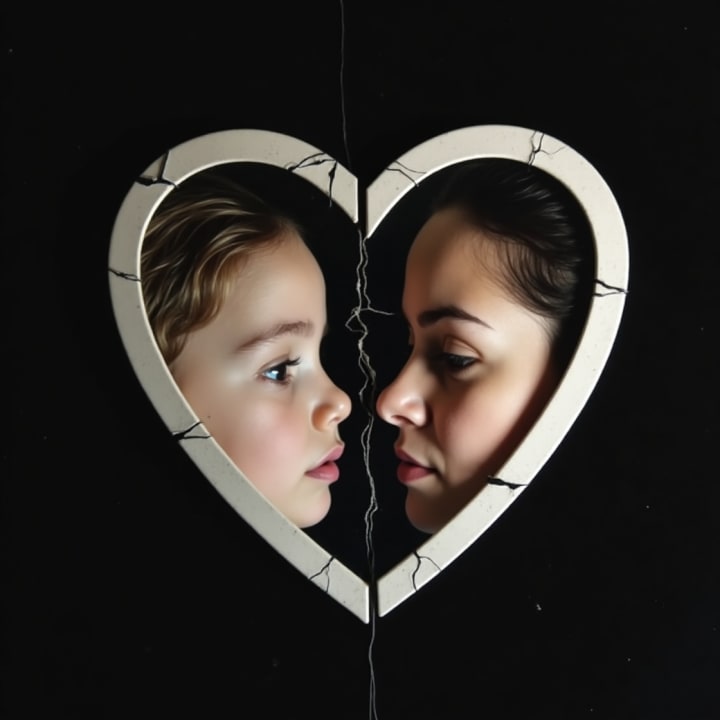
Section 5: The Path to Healing
The good news? We’re not doomed to repeat trauma. Awareness is the first step. Here’s how healing begins:
Inner Child Work: Acknowledge the child inside who was hurt and ignored.
Therapy: Attachment-based or trauma-informed therapy helps you rewire old beliefs.
Journaling: Write to connect the dots between your past and your present.
Choosing Differently: It might feel unnatural at first, but choose peace over intensity.
Self-Compassion: You're not broken — you're healing.
Healing is not linear. But every time you choose differently, you break the cycle.

Conclusion
Childhood trauma doesn’t define your future — but it does explain your past. Understanding how it shapes your romantic choices gives you the power to rewrite the script.
Love doesn’t have to hurt. You can choose partners who feel safe, not familiar. And you can become the secure, loving presence your younger self always needed.
Thank you for reading!
Did this resonate with your experience? Have you noticed patterns from your childhood playing out in love?
👉 Share your thoughts in the comments — your story might help someone else.
💬 If this touched your heart, hit like, subscribe for more healing-based insights, and share with someone who needs it. 😊
About the Creator
F. M. Rayaan
Writing deeply human stories about love, heartbreak, emotions, attachment, attraction, and emotional survival — exploring human behavior, healthy relationships, peace, and freedom through psychology, reflection, and real lived experience.
Keep reading
More stories from F. M. Rayaan and writers in Psyche and other communities.
What Pain Really Does to Us
Pain is a universal experience. We all go through it in one form or another. Whether it's emotional heartbreak, physical injury, or the quiet ache of loneliness, pain is something none of us can escape. But here's the twist — pain isn't always the enemy. In fact, in many ways, it's our greatest teacher.
By F. M. Rayaan9 months ago in Psyche
Stop - Just Stop it right now
"Each one of us has lived through some devastation, some loneliness, some weather superstorm or spiritual superstorm; when we look at each other, we must say, I understand. I understand how you feel because I have been there myself. We must support each other and empathize with each other because each of us is more alike than we are unalike."
By Elizabeth Woodsa day ago in Psyche


Comments (3)
This article makes a lot of sense. I've seen friends repeat relationship mistakes. Their childhood issues led them to partners who treated them poorly, like their past caregivers. It's eye - opening.
Extremely well said. Pain u get through out ur life journey teaches u much more n makes u more wiser than any professional training or coaching would @F. M. Rayaan
I appreciate how you write about the impact of relationships on us or how your writing can alter our perspectives on our daily choices, especially in interactions with others. This is very helpful, Mr. Rayaan. Thank you!