
Homeless people suffer sores as xylazine enters fentanyl supply
Denver's unhoused struggle with crisis.

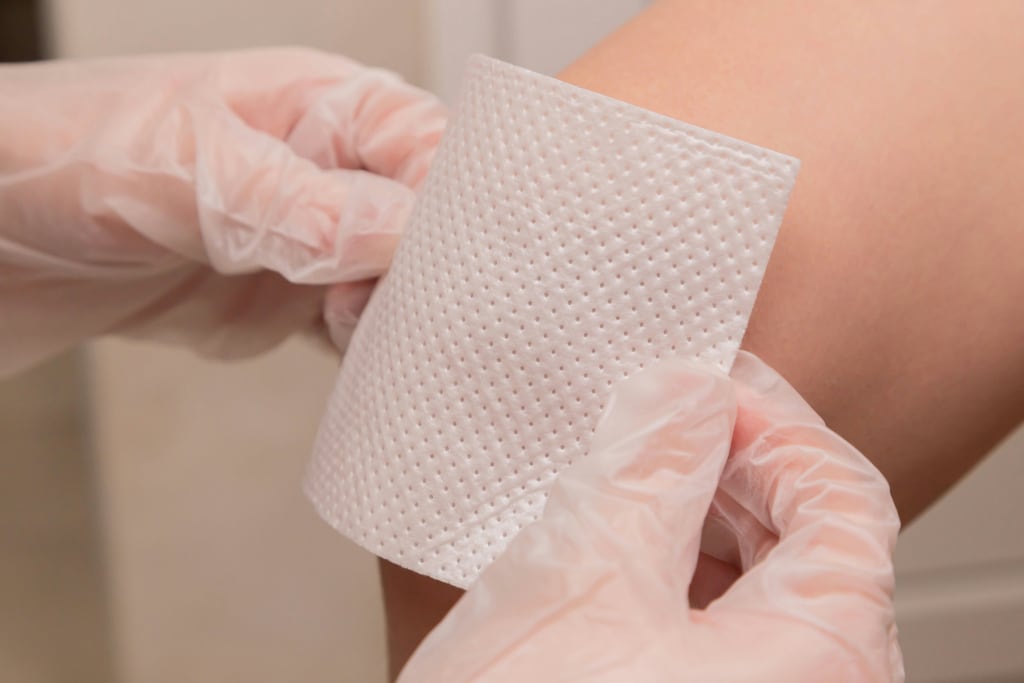
A dangerous drug that is being mixed into fentanyl is causing those who inject it to develop a rash of sores that resembles a case of flesh-eating bacteria. People experiencing homelessness around Denver can sometimes be seen with these bloody, weeping wounds. I recently mentioned this phenomenon to a fentanyl user who told me about the xylazine connection.
According to the National Institute on Drug Abuse, or NIDA, “Xylazine is a tranquilizer, pain reliever, and central nervous system depressant that is FDA-approved for use in veterinary medicine,” according to its website. “Xylazine is often mixed in with illicitly manufactured opioids, most frequently fentanyl, but it is not an opioid. Xylazine is also known as “tranq” or, when combined with fentanyl or other opioids, ‘tranq dope.’”
As for the wounds that come with xylazine, they “can include skin infections, wounds below the skin (abscesses) and open, weeping wounds (skin ulcers),” according to NIDA. The organization reports that wounds can heal if a person stops using xylazine and receives appropriate medical care. “However, early data indicates that healing is slower if a person continues to use,” according to NIDA. “These wounds can be painful, and severe wounds may require pain treatment and admission to a hospital. If untreated or undertreated, these infections can lead to amputation of the infected body part.”
According to NIDA, “Medical associations have not created guidelines for how to treat xylazine-specific wounds. However, wounds should be kept clean. Early evidence suggests keeping the wounds clean but open (without stitches or skin grafts). NIDA supports research to better understand how to treat xylazine-related wounds.”
Homeless people can sustain wounds many ways
Of course, not every homeless person with a wound is on xylazine. Homelessness is dangerous and people can injure themselves myriad ways when living on the street. But xylazine is giving way to an especially severe form of weepy disintegration of the flesh.
NIDA recommends that fentanyl users test their drugs with xylazine testing strips, which are available from Harm Reduction Action Center.
According to the Colorado Department of Public Health and Environment, xylazine is not common in the state’s drug supply but does exist. Only four xylazine-related overdose deaths have occurred in Colorado, according to the website.
Injecting, snorting, or smoking xylazine leads to wounds
According to a fact sheet about xylazine wound care published by University of Pittsburgh, Grayken Center for Addiction Training and Technical Assistance and Boston Medical Center, people smoking or snorting xylazine can develop the wounds the same as people who inject the drug.
Wounds are most likely to appear on the legs and arms, according to the fact sheet. People with the wounds should go to an emergency room, the fact sheet says, if:
· They develop fever or chills
· Skin turns dark or black
· Skin is red, hard, and hot to touch
· Thick, smelly yellow or green drainage
· Severe or worsening pain at wound site
· Pain and decreased ability to move joint
· Pieces of tissue falling off
· Exposed bone or tendon
· New numbness
What is fentanyl?
Fentanyl is a synthetic opioid 100 times more powerful than morphine. "The highly addictive fentanyl originated as a medication to ease people's pain, and many patients turned to dangerous street substitutes when their prescriptions ran out," according to a University of Denver news release. "Nowadays, though, China is sending chemicals to Mexico, where fentanyl is manufactured, often in the middle of cattle fields to elude detection."
Colorado prosecutes drug dealers who supply fentanyl to someone who overdoses. Colorado Attorney General Phil Weiser said the penalties should be harsher during a recent news conference.
He said a record number of people in Colorado – twice as many as in 2018 – died from drug overdoses in 2021. More than 1,800 perished. More people die due to fentanyl overdoses than car crashes, he said.
About the Creator
David Heitz
I am a journalist with 38 years' experience. I write for Potent, Vocal's cannabis blog, and Psyche, where I share stories of living with schizoaffective disorder bipolar one. I have lived in a penthouse and also experienced homelessness.
Keep reading
More stories from David Heitz and writers in Psyche and other communities.
Not All Fear Is Real
The first breath of dawn is a quiet thing, as though the world itself is holding its breath, waiting to exhale. But for Nadia, the morning air felt like a sharp slap against her skin, cold and biting. Her fingers trembled as she clutched the edge of her jacket, the wind tugging at her hair. She stood on the edge of the cliff, her gaze cast over the valley below, the dark outline of the forest stretching far into the horizon. The shadows of night still clung to the trees, but the first threads of daylight were beginning to seep through, spilling gold onto the earth.
By Jhon smitha day ago in Psyche
My New Book is Finally Here
My poetry collection Beautiful and Brutal Things is done. It's actually done and finally published over 270 pages. Over a year of my life went into this book. More than a year, really. Long days at my computer, sometimes seven days a week because I couldn't stop even when I probably should have. Then two months of editing that felt harder than the writing itself. But it's finished, and I'm still standing, and the book is real.
By Tim Carmichael2 days ago in BookClub




Comments
There are no comments for this story
Be the first to respond and start the conversation.