
Fever Dreams: Why Illness Triggers Strange Nighttime Hallucinations You Need to Know
Discover why fever triggers strange, vivid dreams. Learn what fever dreams are, how they feel, and why your brain reacts this way during illness.

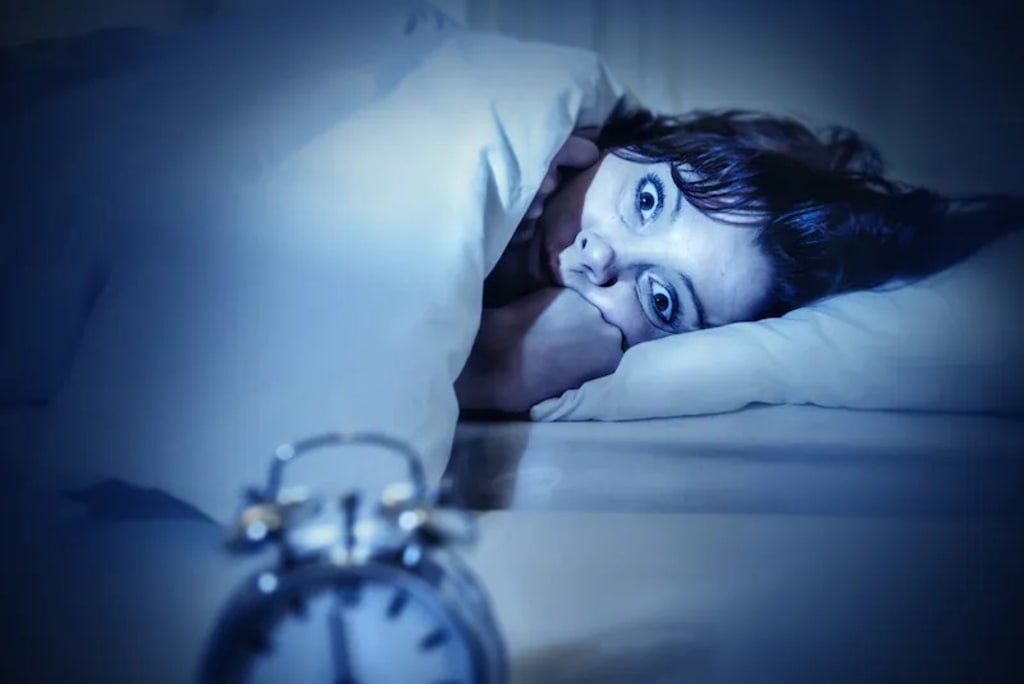
Have you ever had a dream so strange it left you feeling shaken or confused when you woke up? Now imagine having that dream while your body is burning with a fever. Fever dreams can feel more intense, more bizarre, and sometimes even scary. They’re not like normal dreams. They hit harder, feel more real, and often leave a strong emotional mark.
Why does this happen? What makes our brain create these vivid, surreal images when we’re sick? The connection between fever and dreaming can feel mysterious. But it’s real—and it’s something many people experience, even if they don’t talk about it. This article will explore the truth behind fever dreams and why illness changes the way we sleep and dream.
What Are Fever Dreams?
Fever dreams are vivid, unusual dreams that happen when your body temperature is higher than normal. These dreams often feel strange, intense, and sometimes frightening. People describe them as weird or even nightmarish.
They can include:
- Distorted image
- Unfamiliar places
- Strong emotions like fear, confusion, or sadness
- Repeating patterns or symbols
Unlike regular dreams, fever dreams can be harder to forget. They often stay with you for hours,or even days,after you wake up.
The Fever vs Dream Connection:
When you have a fever, your body is fighting off an infection. This can come from the flu, a cold, or another illness. Your immune system is working harder, and that affects more than just your body. It also affects your brain.
Here’s how fever can change your dreams:
1 Higher Body Temperature Affects Brain Function:
The brain is very sensitive to changes in body temperature. When you have a fever, the heat can interfere with how your brain processes information. This can lead to confusing, strange, or intense dreams.
Your brain doesn’t “cool off” during sleep. So if you go to bed with a fever, your brain keeps working under stress. This is one reason fever dreams feel so out of control.
2 Illness Changes Sleep Patterns:
When you’re sick, you don’t sleep the same way. Fever can interrupt deep sleep and affect REM (Rapid Eye Movement) sleep—the stage when most dreaming happens. Your brain may enter REM sleep more often or stay there longer than usual, making dreams more vivid or disturbing.
3 Stress and Discomfort Feed the Mind:
When your body is uncomfortable, your mind picks up on that stress. Fever often comes with chills, body aches, and a racing heartbeat. These sensations can mix into your dreams, creating strange or fearful images.
What Do Fever Dreams Feel Like?
People who’ve had fever dreams often say they feel:
Real: The dreams feel like they’re actually happening.
Strange: The scenes don’t make sense but feel meaningful in the moment.
Uncomfortable: Some people feel trapped, anxious, or helpless in the dream.
Emotional: The dream stirs up strong feelings that last after waking up.
Here’s an example:
A person with the flu might dream of being trapped in a maze that keeps shifting, unable to find a way out. In the dream, they might feel hot, panicked, and overwhelmed. When they wake up, they realize the dream was tied to their real-world fever and discomfort.
Fever vs Dream vs Nightmare:
It’s easy to confuse fever dreams with regular nightmares. But they’re not the same.
Nightmares are often caused by stress, fear, or trauma. They can happen at any time, even when you're healthy.
Fever dreams happen specifically during illness, when your body temperature is high.
Fever dreams usually feel more confusing and surreal than a typical nightmare.
In a nightmare, the story might make sense—like being chased or falling. In a fever dream, the scenes might jump around, people may have strange shapes or faces, or time may feel out of sync.
Why Some People Get Fever Dreams and Others Don’t?
Not everyone gets fever dreams. Some people get them every time they have a fever, while others never do. There are a few possible reasons for this:
1 Sensitivity to Temperature:
Some brains are more sensitive to changes in body temperature. These people may be more likely to have intense dreams when sick.
2 Genetics and Sleep Habits:
Your natural sleep patterns and even your family history may play a role. If you’re a light sleeper or prone to vivid dreams, you may notice fever dreams more.
3 Level of Illness:
The more severe the fever, the more likely your dreams will be affected. Mild fevers might not change sleep as much, but high fevers can lead to more vivid dreaming.
Common Themes in Fever Dreams:
Many people report similar themes in their fever dreams, even if they don’t know each other. Here are a few:
Repetition: Seeing the same shape, person, or event over and over
Distortion: Objects, places, or people look warped or strange
Pressure or confinement: Feeling stuck, trapped, or smothered
Symbolic struggles: Trying to solve puzzles or escape danger
These themes may reflect how the brain is trying to make sense of the fever and body stress.
Are Fever Dreams Dangerous?
Fever dreams themselves are not harmful. They’re a natural reaction to the body being under stress. But they can be emotionally intense or confusing, especially for children.
What matters more is why you have a fever. If your fever is very high (over 103°F or 39.4°C) or lasts several days, it’s important to see a doctor.
Also, if your dreams include signs of confusion, memory loss, or you're not making sense when awake, this could be a sign of something more serious, like delirium. This is rare but possible with very high fevers or certain infections.
How to Sleep Better While Sick?
Fever dreams can be upsetting, but there are a few things you can do to make sleep more restful when you’re sick:
1 Stay Cool but Comfortable:
Use light blankets and keep the room cool. A fan can help reduce overheating during sleep.
2 Stay Hydrated:
Drinking water helps your body fight infection and keeps your temperature more stable.
3 Avoid Screens Before Bed:
Blue light from phones or TVs can make it harder to fall asleep. Try to rest your eyes before bed to reduce sleep disturbances.
4 Take Fever Medicine (if needed):
Over-the-counter medicine like acetaminophen or ibuprofen can lower your fever and help you sleep better. Always follow dosage instructions or talk to a doctor.
When to Be Concerned?
Fever dreams are usually nothing to worry about, but there are times when you should get medical help:
- Fever lasts more than 3 days
- Fever goes above 103°F (39.4°C)
- You feel confused or lose touch with reality
- You have trouble breathing or severe pain
In these cases, the fever,not the dream,is the real problem. Dreams are just a signal that your body is working hard.
Children and Fever Dreams:
Children can be more affected by fever dreams. Their brains are still developing, and fevers can hit them harder. They might wake up crying, confused, or frightened.
- If your child has a fever dream:
- Comfort them gently
- Keep the lights dim and your voice calm
- Let them know it was just a dream
- Monitor their fever and give medicine if advised by a doctor
Many kids forget the dream by morning, but some may need a little extra care to feel safe again.
Why We Remember Fever Dreams More Clearly:
Most dreams fade quickly after waking. Fever dreams, though, often stay in your memory. Why?
One reason is that fever dreams often wake you up. When a dream ends with a strong emotion,fear, stress, or confusion,it’s easier for the brain to remember it.
Also, because your sleep is broken and lighter during illness, you’re more likely to wake up directly from REM sleep, which is when dreaming happens.
Final Thoughts:
Fever dreams remind us how closely our bodies and minds are connected. When the body is under stress from illness, the mind reacts in its own way,through vivid, surreal dreams that feel intense and unforgettable.
Though they can be strange or even upsetting, fever dreams are usually not a sign of anything dangerous. They are simply part of the healing process. Your brain, like your body, is doing its best to get through a difficult time.
If you’ve ever had a fever dream that stayed with you long after you woke up, you’re not alone. These dreams are more common than people realize—and understanding them can help you feel less afraid the next time one appears.
About the Creator
Zeenat Chauhan
I’m Zeenat Chauhan, a passionate writer who believes in the power of words to inform, inspire, and connect. I love sharing daily informational stories that open doors to new ideas, perspectives, and knowledge.
Keep reading
More stories from Zeenat Chauhan and writers in Psyche and other communities.
Top tipple tricks
Been thinking a lot about drinking, lately. Not least because of a recent episode of over-indulgence and the inevitable after effects. Some readers may recall the earlier articles I wrote about beating the booze. Here I set out an experiment in techniques for cutting down on my alcohol intake. The experiment was successful, the techniques worked, and I have armed myself with an arsenal of weapons in the war against the demon drink. I have yet to fire the first round however. It's all a question of timing (perhaps procrastination).
By Raymond G. Taylor4 days ago in Psyche
How to Choose the Best PHP Program Near You in North Carolina
Finding the right level of care is an important step when seeking help for mental health or substance use challenges. While some individuals benefit from traditional outpatient therapy, others may need more structured support without committing to full residential treatment. This is where Partial Hospitalization Programs (PHP) can play an important role in recovery.
By Jordan Blakeabout 12 hours ago in Psyche
Becca
"Everything is so... flat." Denille said stupidly as she looked around her new neighborhood. She looked around at the muted desert where even the smallest sign of life seemed to have given up. The plant life was shrubs that were half cooked by the heat and where there should have been a lawn, a mess of white rocks laid glistening in the sun. Even the sky looked stretched thin, like the sun had ironed it smooth. She’d moved from Riverside, where at least there were hills, but here in Barstow, everything felt baked and brittle.
By Sara Wilson7 days ago in Fiction



Comments
There are no comments for this story
Be the first to respond and start the conversation.