
Exploring the Gut-Brain Connection: How Digestive Health Impacts Mental Well-being
Uncovering the Surprising Link Between Your Gut and Mental Health for Improved Well-Being

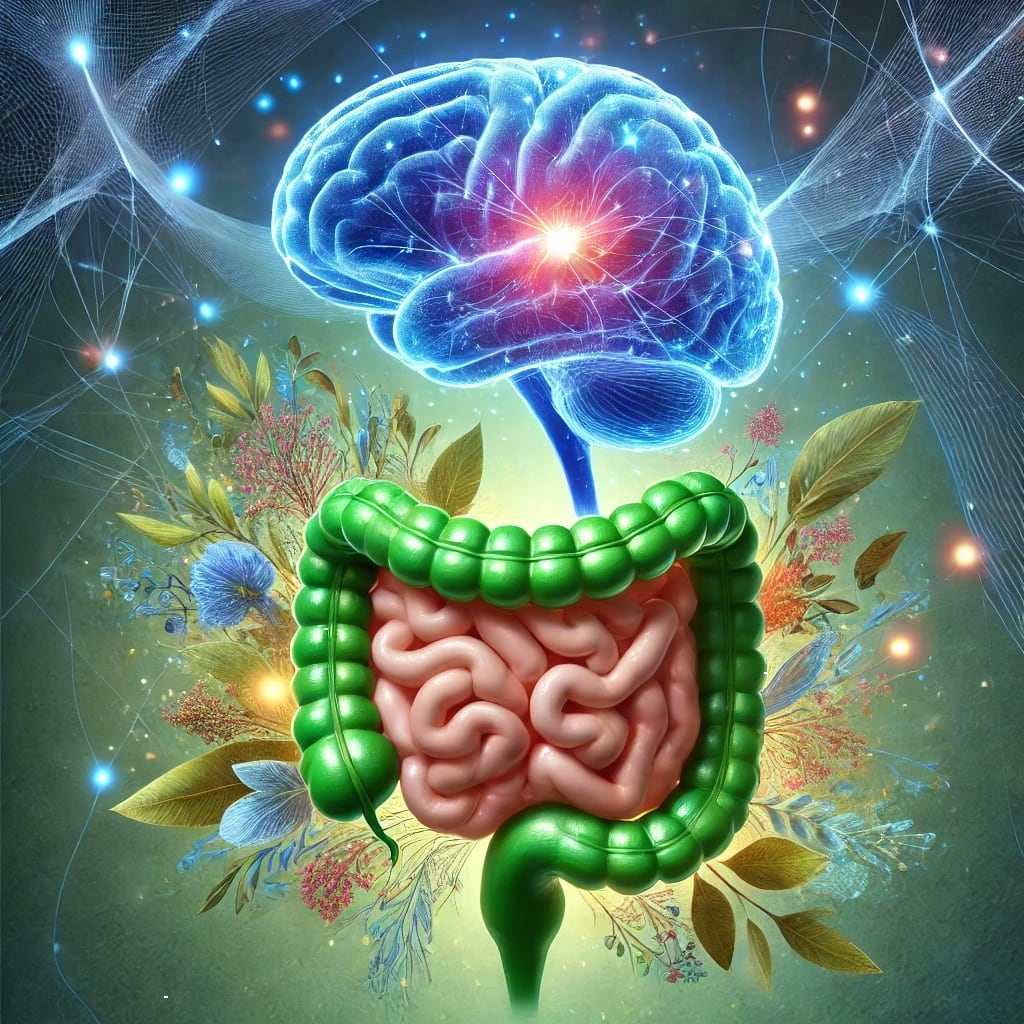
The gut-brain connection has emerged as one of the most fascinating and rapidly evolving areas of health research. While it might seem like our brain and gut operate independently, science now confirms that the two are intricately connected through a complex network of nerves, chemicals, and microbial messengers.
In fact, the gut is often referred to as the “second brain” due to its profound influence on mental health and overall well-being. This article will explore how digestive health impacts mental wellness, the mechanisms behind the gut-brain connection, and practical steps to enhance both gut and mental health.
Understanding the Gut-Brain Axis
The gut-brain axis (GBA) is a bidirectional communication network linking the central nervous system (CNS) and the enteric nervous system (ENS), which governs the gastrointestinal system. This connection involves neural, hormonal, and immunological pathways that constantly relay messages between the gut and the brain.
The vagus nerve, one of the largest nerves in the body, plays a significant role in this communication by transmitting signals from the gut to the brain and vice versa.
Moreover, the gut-brain axis also involves chemical messengers known as neurotransmitters. For instance, serotonin, a neurotransmitter that plays a key role in mood regulation, is predominantly produced in the gut. In fact, approximately 90% of the body's serotonin is synthesized in the gastrointestinal trac
The Role of the Microbiome
Central to the gut-brain connection is the gut microbiome — a diverse ecosystem of trillions of bacteria, viruses, fungi, and other microorganisms residing within the digestive tract.
Research has shown that the composition of gut bacteria can influence mood, cognition, and even behavior. Dysbiosis, or an imbalance in gut bacteria, has been linked to conditions such as anxiety, depression, and irritable bowel syndrome (IBS).
The gut microbiome produces various metabolites, such as short-chain fatty acids (SCFAs), which can influence brain function and reduce inflammation.
Additionally, certain strains of bacteria are associated with the production of gamma-aminobutyric acid (GABA), a neurotransmitter known for its calming effects on the nervous system.
Inflammation and Mental Health
Chronic inflammation is a common factor that bridges gut health and mental well-being. Poor gut health can trigger systemic inflammation, which is known to contribute to various mental health conditions, including depression and anxiety.
Inflammatory cytokines, which are signaling proteins released by immune cells, can interfere with the brain’s neurotransmitter systems, thereby influencing mood and cognition.
Moreover, leaky gut syndrome, a condition where the intestinal lining becomes permeable, allows harmful substances to enter the bloodstream and cause widespread inflammation.
This process is believed to exacerbate mental health symptoms and may even contribute to neurodegenerative diseases over time.
The Impact of Diet on Gut-Brain Health
What we eat plays a fundamental role in shaping our gut microbiome and, consequently, our mental health. Diets high in processed foods, sugar, and unhealthy fats can promote inflammation and disrupt the balance of beneficial bacteria.
Conversely, a diet rich in fiber, fermented foods, and omega-3 fatty acids has been shown to promote gut health and support mental well-being.
Probiotics and prebiotics are also gaining attention for their potential to improve mental health. Probiotics, which are live beneficial bacteria, can help restore microbial balance, while prebiotics serve as food for these bacteria, encouraging their growth and activity.
Strategies to Improve Gut and Mental Health
To optimize the gut-brain connection, consider implementing the following strategies:
- Balanced Diet: Focus on whole, nutrient-dense foods, including fruits, vegetables, whole grains, and lean proteins.
- Probiotics and Prebiotics: Incorporate foods like yogurt, kefir, sauerkraut, and high-fiber foods to promote a healthy gut microbiome.
- Regular Exercise: Physical activity has been shown to enhance microbial diversity and support brain health.
- Stress Management: Practices like meditation, deep breathing, and yoga can help regulate the gut-brain axis.
- Adequate Sleep: Prioritize quality sleep to reduce inflammation and support mental health.
- Stay Hydrated: Proper hydration supports digestion and overall heal
Future Research and Considerations
While research on the gut-brain connection is promising, it is still a developing field. Scientists are working to better understand how specific bacterial strains influence mental health and how interventions like probiotics or dietary changes can be effectively used in clinical practice.
The intricate link between the gut and the brain underscores the importance of viewing mental health through a holistic lens. By nurturing our gut health, we can positively influence our mental well-being and overall quality of life. As research continues to evolve, the potential for gut-based therapies for mental health disorders holds immense promise.
About the Creator
Richard Bailey
I am currently working on expanding my writing topics and exploring different areas and topics of writing. I have a personal history with a very severe form of treatment-resistant major depressive disorder.
Keep reading
More stories from Richard Bailey and writers in Psyche and other communities.
We Live in Two Realities: The Real World and the One We Perceive
Have you ever wondered why two people can experience the same event but interpret it completely differently? This phenomenon occurs because we live in two realities: the objective world around us and the subjective reality shaped by our personal perspectives.
By Richard Baileyabout a year ago in Psyche
Top tipple tricks
Been thinking a lot about drinking, lately. Not least because of a recent episode of over-indulgence and the inevitable after effects. Some readers may recall the earlier articles I wrote about beating the booze. Here I set out an experiment in techniques for cutting down on my alcohol intake. The experiment was successful, the techniques worked, and I have armed myself with an arsenal of weapons in the war against the demon drink. I have yet to fire the first round however. It's all a question of timing (perhaps procrastination).
By Raymond G. Taylor3 days ago in Psyche
Why I Stopped Reading Self-Help Books — And What I Read Instead
For years, I believed self-help books were the shortcut to a better life. Whenever I felt stuck, unmotivated, or confused about the future, I would buy another self-help book. The titles were always promising: Change Your Life in 30 Days, The Secret to Unlimited Success, The Mindset of Winners. Each one seemed to hold the key to a more productive, happier version of myself. And for a while, it felt like they worked. After finishing a book, I would feel motivated and inspired. My mind would be full of new ideas, powerful quotes, and bold plans for the future. But something strange kept happening. A few weeks later, nothing had really changed. The motivation faded. The routines disappeared. And the cycle started again: I would buy another self-help book, hoping this one would finally be the answer. Eventually, I realized something uncomfortable. The problem wasn’t my discipline. The problem was the self-help loop.
By Shahid Zamanabout 12 hours ago in Psyche




Comments