
Exploring the Core Components of ACT for OCD Treatment
Exploring the Core Components of ACT for OCD Treatment
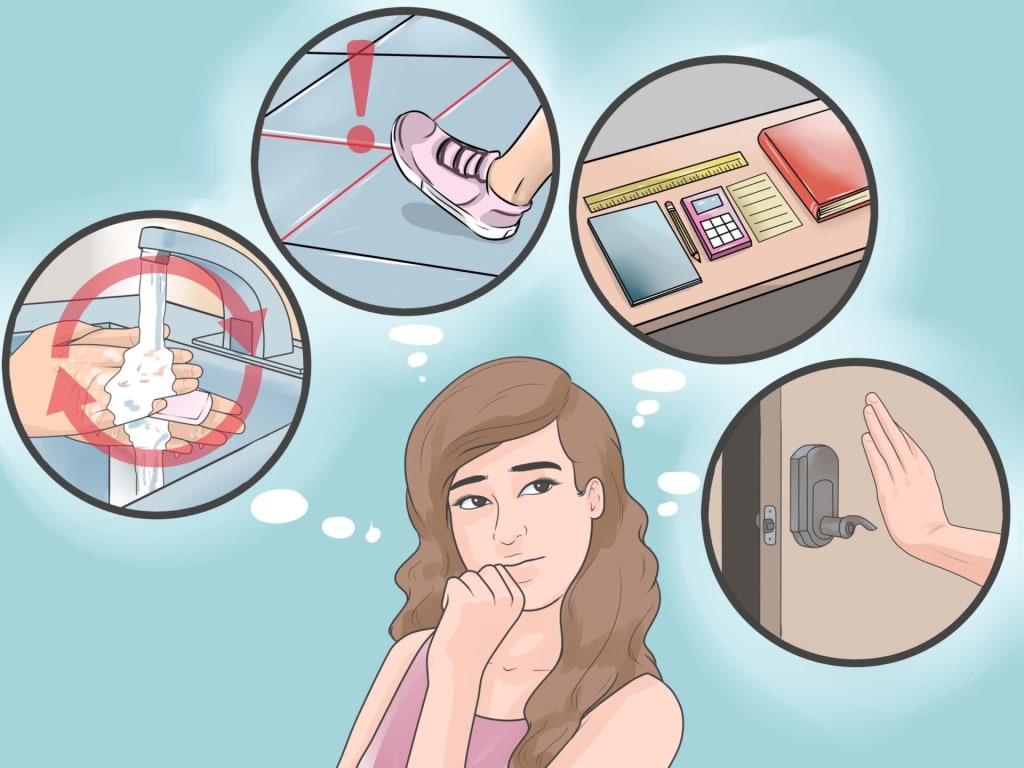
Obsessive-Compulsive Disorder, commonly known as OCD, is a mental health condition that affects millions of people worldwide. OCD is characterized by intrusive and unwanted thoughts, images, or impulses, called obsessions, and repetitive behaviors or mental acts, known as compulsions, that individuals with OCD feel compelled to perform to alleviate anxiety caused by these obsessions. OCD can be a debilitating condition that negatively impacts a person's life and ability to function.
Thankfully, several effective treatments for OCD exist, and one of the most promising and evidence-based therapies is Acceptance and Commitment Therapy (ACT). ACT is a form of psychotherapy that emphasizes mindfulness, values, and committed action to help individuals overcome mental health challenges and improve their quality of life. In this article, we will explore the core components of ACT for OCD treatment and their potential benefits.
Mindfulness
Mindfulness is a central component of ACT and involves paying attention to the present moment non-judgmentally. Mindfulness helps individuals with OCD become more aware of their thoughts, feelings, and physical sensations, without getting caught up in them. By developing mindfulness skills, individuals with OCD can learn to observe their obsessions and compulsions without reacting to them, allowing them to become more flexible in their responses to these experiences.
Mindfulness-based interventions have shown promise in the treatment of OCD. For example, a randomized controlled trial found that Mindfulness-Based Cognitive Therapy (MBCT) was effective in reducing OCD symptoms and improving well-being in individuals with OCD (Hertenstein et al., 2019). Another study found that mindfulness-based interventions improved executive functioning and reduced rumination and worry in individuals with OCD (Wheaton et al., 2019).
Values
Values are another essential component of ACT for OCD treatment. Values are the things that individuals hold dear and give meaning to their lives. When individuals with OCD are consumed by their obsessions and compulsions, it can be challenging to connect with their values and engage in activities that are meaningful to them. By identifying their values and aligning their actions with those values, individuals with OCD can find motivation and purpose, which can help them overcome their symptoms.
ACT encourages individuals with OCD to identify their values and to set goals that are consistent with those values. For example, if an individual values spending time with family and friends, their goal might be to engage in social activities, despite feeling anxious or uncomfortable. By focusing on their values, individuals with OCD can reduce the impact of their symptoms on their daily lives and move towards a more fulfilling life.
Research supports the effectiveness of values-based interventions in the treatment of OCD. For example, a randomized controlled trial found that a values-based intervention was effective in reducing OCD symptoms and improving quality of life in individuals with OCD (Twohig et al., 2015).
Committed Action
Committed action is the final core component of ACT for OCD treatment. Committed action involves taking meaningful steps towards one's goals, despite experiencing anxiety or discomfort. Committed action is crucial in the treatment of OCD because individuals with OCD often avoid situations that trigger their symptoms. By engaging in committed action, individuals with OCD can break the cycle of avoidance and build resilience in the face of their symptoms.
ACT encourages individuals with OCD to take small, manageable steps towards their goals, even if those steps are uncomfortable. For example, if an individual with contamination fears is avoiding touching doorknobs, their committed action might be to touch a doorknob for a few seconds each day, gradually increasing the time as they become more comfortable.
Research supports the effectiveness of committed action in the treatment of OCD. For example, a randomized controlled trial found that a brief intervention that targeted committed action was effective in reducing OCD symptoms and improving quality of life in individuals with OCD.
ACT vs. Traditional OCD Treatment
ACT offers a unique approach to treating OCD that differs from traditional cognitive-behavioral therapy (CBT). While CBT focuses on changing the content of one's thoughts and beliefs, ACT emphasizes acceptance and mindfulness. ACT recognizes that attempting to change one's thoughts or eliminate their symptoms entirely can be an unattainable goal for individuals with OCD. Instead, ACT teaches individuals to accept their thoughts and feelings without judgment and to build resilience and flexibility in the face of their symptoms.
One advantage of ACT over traditional CBT is that it may be better suited to treat individuals with OCD who struggle with treatment-resistant symptoms or who have comorbid conditions. Studies have shown that individuals with OCD who have comorbid depression or anxiety may benefit more from ACT than from traditional CBT (Smout et al., 2014).
Another advantage of ACT is that it emphasizes values and committed action, which can help individuals with OCD move towards a more fulfilling life, even if they continue to experience symptoms. Traditional CBT may focus solely on symptom reduction, which can lead to a narrow focus on eliminating symptoms at the expense of other areas of one's life.
Conclusion
Acceptance and Commitment Therapy (ACT) offers a unique and evidence-based approach to treating Obsessive-Compulsive Disorder (OCD). The core components of ACT for OCD treatment, including mindfulness, values, and committed action, emphasize acceptance, resilience, and flexibility in the face of OCD symptoms.
Research has shown that mindfulness-based interventions, values-based interventions, and committed action interventions are effective in reducing OCD symptoms and improving quality of life in individuals with OCD. ACT may be particularly useful for individuals with OCD who struggle with treatment-resistant symptoms or who have comorbid conditions.
About the Creator
Keep reading
More stories from Mental Health Experts 12345 and writers in Psyche and other communities.
Navigating the Challenges of Secret Friendships: Tips and Strategies
Friendships are one of the most important relationships we have in our lives. They provide us with a sense of belonging, support, and companionship that can help us navigate the ups and downs of life. However, sometimes we find ourselves in a situation where we have to keep our friendships a secret. Whether it's because of societal pressures, cultural norms, or personal reasons, secret friendships can be challenging to navigate.
By Mental Health Experts 123453 years ago in Psyche
Psychic Reading Online – Top 4 Best Live Chat Psychic Reading Sites
Uncertainty is something we all experience at different stages of life. Questions about love, career decisions, finances, family matters, or personal growth can sometimes leave us feeling overwhelmed or unsure about what direction to take next. Wanting answers and clarity during these moments is completely natural.
By Louie Bell5 days ago in Psyche




Comments
There are no comments for this story
Be the first to respond and start the conversation.