
Ernest Hemingway-How Mental illness Damaged The Author
Ernest Hemingway, one of the most influential writers of the twentieth century battled depression for years before he shot himself in the head.


Ernest Miller Hemingway was born on July 21, 1899. He was an American novelist, short-story writer, and journalist.
After a long period of both medical and financial difficulties, Hemingway's father committed suicide in December 1928, when he was 29 years old, by shooting himself with a family revolver.
Hemingway was greatly affected by his father's death, which he blamed primarily on his mother. He wavered between anger at what he saw as a "cowardly" move and resignation that he would face the same fate as his father, writing to his then-mother-in-law shortly afterwards, "I'll probably go the same way."
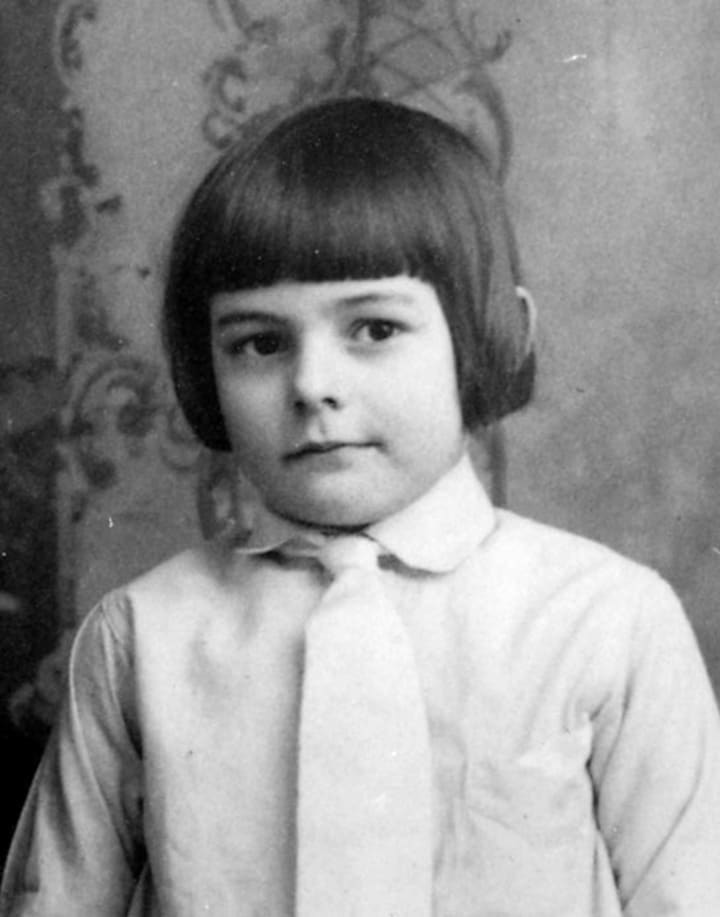
Hemingway's risky life decisions, such as his obsessions with hunting and the gory spectacle of bullfighting, as well as his haste to enlist in the Spanish Civil War and World War II, were perceived by many of his family and friends as reflecting a possibly morbid fascination with death and darkness.
Hemingway purchased a house in Cuba in 1940, and despite his continued travels, he lived there for the next 20 years. He released The Old Man and the Sea, his last significant work of fiction, in 1952. It was a success, earning him the Nobel Prize in Literature in 1954 as well as the Pulitzer Prize in 1953.
Hemingway was traveling in Africa when two plane crashes almost claimed his life. He had injuries including a fractured skull, ruptured liver and spleen, two damaged discs, and other wounds.
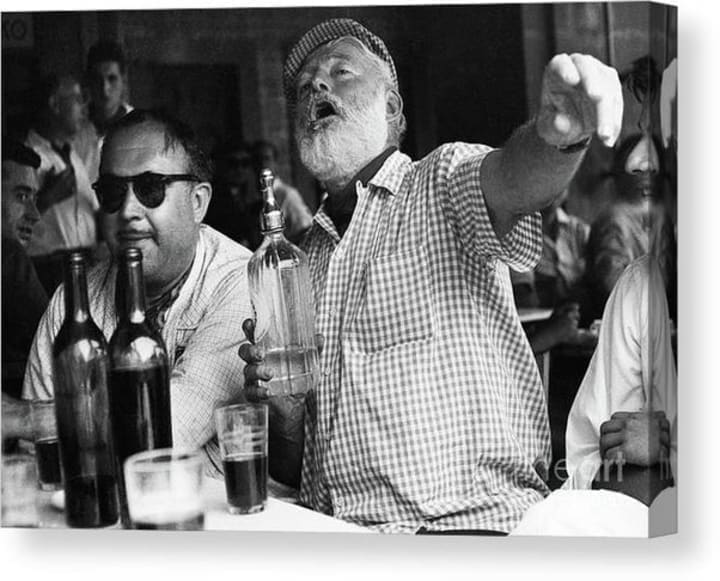
Hemingway's physical and mental health rapidly deteriorated as a result of the accidents, and while he was bedridden, he disregarded medical advice to reduce his drinking.
In 1957, when he at last made it back to Cuba, he started writing A Moveable Feast, a chronicle of his early years in Paris. But in contrast to all of his prior works, which seemed to flow out of him, he labored with this one (it would be published after his death), and his frustration made his depression worse.
Hemingway departed Cuba in July 1960 as the political climate deteriorated, and over the following few months, Hemingway grew more isolated and paranoid, believing that the FBI was watching him.
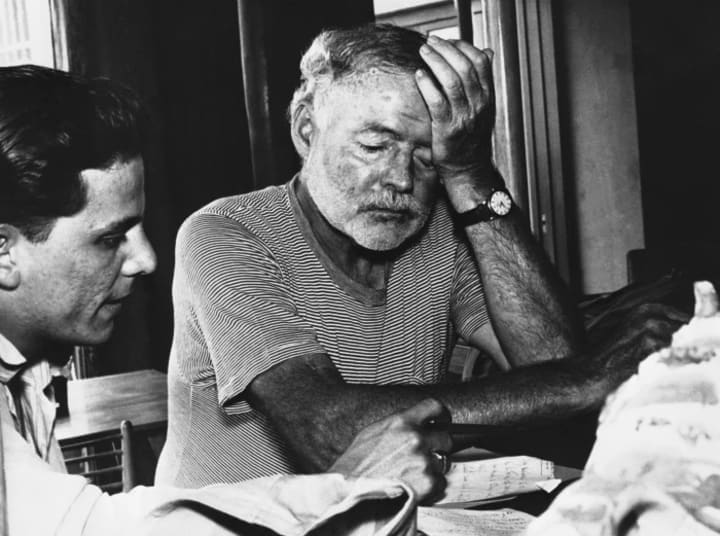
He tried to get treatment at the Mayo Clinic just before he passed away.
He moved into a brand-new home in Ketchum, Idaho, in the fall of 1960. Hemingway's instability grew worse as his anxious mind began to believe that he was about to become bankrupt despite his fame as a writer.
Hemingway was persuaded to visit the renowned Mayo Clinic in Minnesota in November . His doctors also ordered a series of electroconvulsive treatments, which took away his short-term memory while offering no comfort. At the time, Librium was a brand-new medication. But after only seven weeks, Hemingway was discharged.
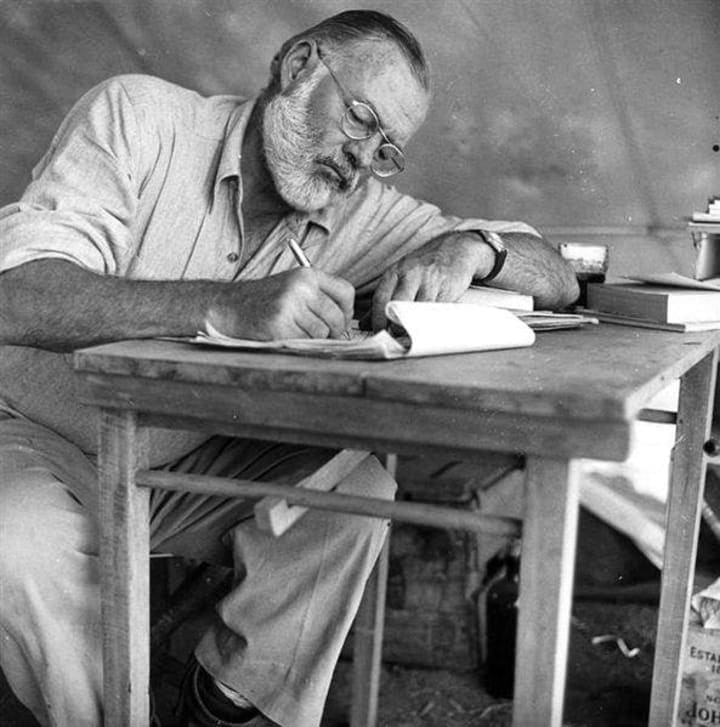
Back in Ketchum, he discovered that he was unable to write, frequently spending hours or even days trying to put a few phrases on paper. As a result, he was compelled to cancel plans to go to John F. Kennedy's inauguration that January.
He made many suicide threats, and in April, while he was being flown back to the Mayo Clinic for a second time, he reportedly attempted to step into the plane's propeller. By this time, news of his Mayo stay had made headlines, with locals reporting sightings and interactions with Hemingway, whose doctors allowed him to come and go as he pleased (and also permitted him to drink despite medical tests that revealed significant liver damage).
He was once more freed by the doctors in late June. On the morning of July 2, 1961, two days after he had arrived at his residence, he discovered the gun cabinet's keys that his wife had poorly concealed, took out his beloved rifle and several rounds, and then shot himself in the head inside the house's entryway.
He was less than three weeks away from turning 62. According to early press stories, he accidentally shot himself while cleaning his weapons, which led to his demise. However, Welsh, who did not publicly acknowledge that he had committed himself until several years after his death, was largely responsible for these early stories.
About the Creator
Rare Stories
Our goal is to give you stories that will have you hooked.
This is an extension of the Quora space: Rare Stories
X(formerly Twitter): Scarce Stories
Writers:
....xoxo
Keep reading
More stories from Rare Stories and writers in Psyche and other communities.
Kaylee Muthart: The Woman Who Gouged Out Her Eyes While High on Meth
Kaylee Muthart is a 26-year-old woman from Anderson, South Carolina, who became blind in 2018 after gouging out her own eyes while under the influence of methamphetamine. She received prosthetic eyes in 2020 and has been recovering from her addiction and trauma.
By Rare Stories2 years ago in Psyche
Early March 2026: 4 Goals Accomplished
It's early March and I've now accomplished my 4th writing goal for the year of 2026. Before diving into the behind-the-scenes of it... why not tell you up front what that accomplishment was? I was published in a 2nd publication for this year. Published in Helix Literary Magazine out of Central Connecticut State University. You can read it for free right now!
By Stephen Kramer Avitabilea day ago in Writers



Comments
There are no comments for this story
Be the first to respond and start the conversation.