
Endorphins
affect mood, anxiety, pain and addiction

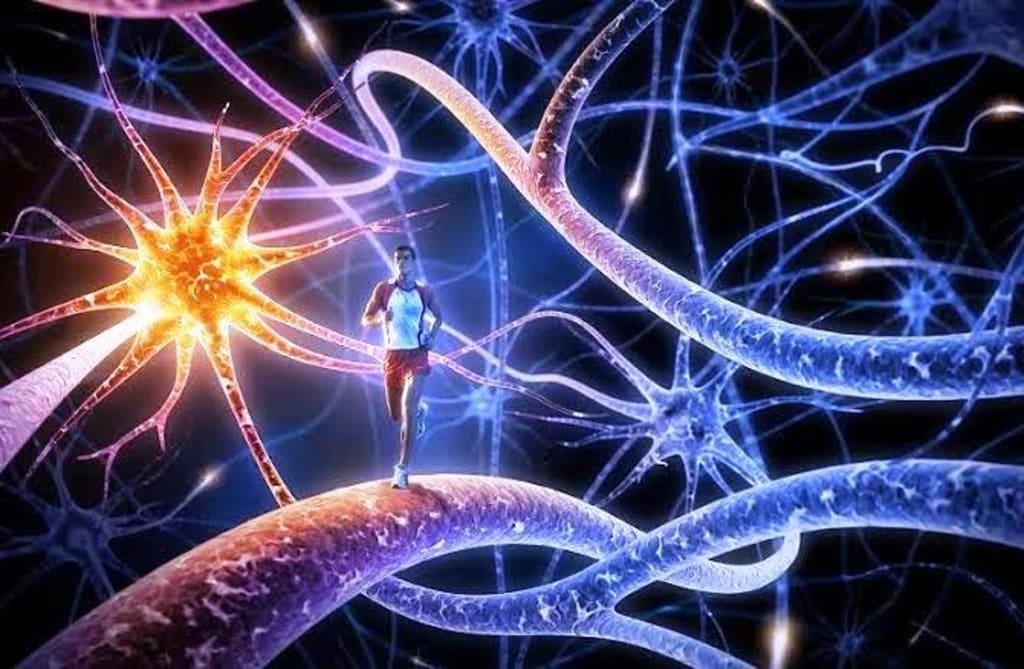
Endorphins are endogenous opioids released through the pituitary gland which are thought to mediate analgesia, induce euphoria, and has a key role in the reward system in the brain (Leuenberger,2006). Endorphins play an important part in the psychological benefits of exercise with depression. Furthermore, improved self-esteem is also a psychological benefit of regular physical activity. When a person exercises, their body releases chemicals called endorphins. These endorphins interact with the receptors in the brain which reduces a person’s perception of pain. The endorphins trigger a positive feeling in the body, like morphine, thus, the feeling which follows a run or workout is commonly described as "euphoric." This feeling, is known as a "runner's high," and is generally accompanied by a positive and energizing outlook on life. The endorphin theory postulates; mood elevations and reduced anxiety following acute exercise because of the release and binding of β-endorphins (endogenous opioids) to the receptor sites in the brain. Studies conclude; exercise increases endogenous opioid activity in the central and peripheral nervous system that could induce a euphoric state and reduce pain (Anderson & Shivakumar, 2013).

Domonell, (2016) offers, if the body becomes stressed or experiences pain, neurochemicals called endorphins are produced in the brain's hypothalamus and pituitary gland. Endorphins, which are structurally like the drug morphine, and considered natural painkillers activate opioid receptors in the brain to aid minimizing discomfort. They help bring about feelings of euphoria and general well-being and are involved in natural reward circuits related to activities, for example; feeding, drinking, sexual activity and maternal behaviour (Domonell, 2016). Konkel & Carson-DeWitt, (2015) suggest endorphins might play a role in addiction, however some experts express uncertainty. The narcotic pain medications of morphine, oxycodone, and codeine work as a natural imitator of endorphins. The endorphins are morphine-like chemicals produced by the body which help diminish pain while triggering positive feelings. They are released from the pituitary gland of the brain during periods of strenuous exercise, emotional stress, pain, and orgasm. Researchers explain people with chronic pain conditions, such as fibromyalgia and chronic fatigue syndrome, have lower-than-normal levels of endorphins. Because endorphins play a role in the brain's reward system, scientists suggest the feel-good chemicals may play a role in exercise addiction or drug dependence (Konkel & Carson-DeWitt, 2015). That is, exercise addiction could occur in people who exercise excessively, showing characteristic symptoms of withdrawal exhibiting feelings of depression, anxiousness, restless, or guilty after not exercising. Nonetheless, not enough concrete evidence can evaluate the link between increased endorphin levels, vigorous exercise, and dependence or addiction (Konkel & Carson-DeWitt, 2015).

Leuenberger, (2006) highlight studies on the relationship between exercise and endorphin release, these peptides are in exercise-induced euphoria as well as the reduction of pain. Endorphins known as “runner’s high,” a state of euphoria, sponsor relaxed psychological state sometimes experienced during or after vigorous exercise, like running. Though, Leuenberger offers inconsistent evidence for a significant rise in endorphin release, making it difficult to simply deduce endorphins are released because of exercise yet are the cause of euphoric feelings. While it is generally accepted endorphins induce euphoria, it is unclear whether exercise causes an increase in endorphin levels. Furthermore, if exercise does increase endorphin levels, too few studies have been performed to support, this increase plays a role in exercise dependence (Leuenberger, 2006). Scientific information on depression convey physical activity can also stimulate the release of dopamine, norepinephrine, and serotonin, therefore, the brain chemicals play an important part in regulating a person’s mood. If a person is taking anti-depressants, to elevate serotonin levels in the brain and this is not enough, they are not feeling happy, content, or at peace, they may have low endorphins levels. Whereby, Salerian, (2018) posits endorphins and endorphin agonists have a vital role in the neural modulation of mood, anxiety, pain and addiction. Demonstrating historical, experimental and clinical data provisional benefits of opiates for severe depression, addictive disorders, pain and psychosis. Recent studies elucidate a crucial mechanism of treating depression to enhance prefrontal cortex influence and dampening limbic and sub cortical effect like the neurobiological actions of endorphin agonists. Research explains, people’s brains live and function with endorphins, many processes which to constitute mental function- i.e., mood, anxiety, concentration, executive functions, empathy, creativity, sensitivity are influenced by endorphins. Clinical and pathophysiological data show endorphin agonists have decisive properties to treat depression addiction pain and possibly psychosis. Importantly, endorphin agonists are neuroprotective and not neurotoxic like alcohol, cocaine, crack, LSD or PCP, a common mistaken public perception held (Salerian, 2018).

Overall, endorphins are chemicals in the brain that affect mood, anxiety, pain and addiction. These endorphins are an opiate, and effect a person’s brain the way that morphine does. The benefits of opiates have been recognized since antiquity and well documented throughout history. The unique therapeutic benefits of endorphin agonists determine exercise, endorphins, and addictions to provide a solid foundation basis upon which several ideas are established. While getting regular exercise is important for good physical and mental health, it can also help stimulate parts of your brain to arouse responsive feelings, promoting the release of feel-good brain chemicals. The euphoric state is the feeling released by endorphins which the brain experiences when a person physically exerts themselves. These endorphins, a type of neurotransmitter, or chemical messenger help relieve pain and stress. Anderson, & Shivakumar, (2013) suggest another possible mechanism for the anxiolytic effects of exercise is via mediation by the endogenous opioid system. That is, the endogenous opioids have a role in the regulation of mood and emotional responses; such as, abnormal levels of both central and peripheral β-endorphins discovered in patients diagnosed with depression. Furthermore, endorphin release varies from person to person, which means that the same amount of physical energy is not manufactured with the same quantity of endorphins for everyone.
References
Anderson, E., & Shivakumar, G. (2013). Effects of exercise and physical activity on anxiety. US National Library of Medicine. Front Psychiatry, 4: 27. doi: 10.3389/fpsyt.2013.00027
Domonell, K. (2016). Why endorphins (and exercise) make you happy. Daily Burn. Retrieved from https://edition.cnn.com/2016/01/13/health/endorphins-exercise-cause-happiness/index.html
Healthline, (2005-2019). Exercise, depression, and the brain. Retrieved from https://www.healthline.com/health/depression/exercise#5
Konkel., L & Carson-DeWitt, R. (2015). What are endorphins? Everyday Health. Retrieved from https://www.everydayhealth.com/endorphins/guide/
Leuenberger, A., (2006). Endorphins, exercise, and addictions: A review of exercise dependence. Impulse: The Premier Journal for Undergraduate Publications in the Neurosciences,1-9.
Salerian, A., J. (2018). Endorphin agonists for psychiatric disorders. Salerian Centre for Neuroscience and Pain, USA. doi: 10.15761/PMRR.1000117
About the Creator
Shanie Walker
Shanie Walker is a Holistic Behavioural Therapist, awards, and honours in Art Therapy, Dialectic and CBT. Shanie is a Psychologist and Registered Professional Hypnotherapist. Accredited Nutritionist, and Master Degree in Fitness.
Keep reading
More stories from Shanie Walker and writers in Psyche and other communities.
Art Therapy and Personal Aspirations
Art therapy is influenced by the disciplines of art and psychology, which uses the creative process and pieces of art created in therapy. A person using art for creative expression uses several types of art media, to help explore the person’s innermost emotions and thoughts, reconcile conflicts, manage stress and anxiety, develop self-awareness, manage addictions and self-deprecating behaviours, and an increased sense of self-esteem. Artwork in treatment can develop self-awareness, explore emotions, address unresolved emotional conflicts, improve social skills, and raise self-esteem. In pursuit of attaining personal goals of improved quality of life, wellness and becoming an accredited practitioner of choice. The integration of art therapy, primarily aims to help with experiencing emotional and psychological challenges to achieve personal well-being and improved cognitive functioning. As a psychologist, my career aspirations include art therapy to combine CBT treatments for my patients (GoodTherapy, 2007-2019).
By Shanie Walker5 years ago in Psyche
The Hidden Code of Human Psychology
Human psychology is deep, powerful, and sometimes surprising. Every day, people influence each other through words, tone, body language, and emotions—often without realizing it. What many call “dark psychology” is actually the study of how influence works, but the real power lies in using this knowledge ethically and responsibly. True influence is not about manipulation or control; it is about understanding human nature, building trust, and creating positive connections. This documentary explores the hidden patterns of human behavior and the ethical techniques that help you attract attention, build strong relationships, and communicate in a way that people naturally respond to. The Secret: People Respond to Emotion More Than Logic One of the biggest secrets of human psychology is that people make decisions based on emotions, and then justify them with logic. Whether it is choosing a friend, trusting a teacher, or buying a product, feelings come first. If you want someone to pay attention to you: Speak calmly and confidently Show genuine interest in their feelings Avoid arguing aggressively Make them feel understood When people feel emotionally safe around you, they naturally become more open and attentive. The Power of First Impressions Research shows that people form an opinion about someone within seconds. Your posture, facial expression, tone, and energy matter more than your words at the beginning. Tips to create a strong first impression: Maintain eye contact (but don’t stare) Keep a relaxed posture Smile naturally Speak clearly and at a moderate pace Confidence combined with kindness creates a powerful presence that attracts others without forcing anything. The Principle of Attention: People Love to Feel Important One of the most effective psychological truths is simple: people are drawn to those who make them feel valued. You can apply this by: Listening more than you speak Remembering names Asking about their interests Appreciating their efforts When someone feels important around you, they will automatically give you more attention and respect. The Mirror Effect (Ethical Rapport Building) Humans naturally trust people who feel similar to them. This is called mirroring. You can use this ethically by: Matching the other person’s speaking speed Using similar body language naturally Adapting your tone to their energy level This should always be done subtly and respectfully. The goal is comfort and connection—not imitation or deception. The Psychology of Confidence and Silence Many people try to impress others by talking too much. However, psychologically, calm confidence and controlled silence create a stronger impact. Try this: Pause before responding Avoid interrupting Speak only when you have something meaningful to add Silence signals emotional control and maturity, which increases your influence. The Rule of Positive Energy People are naturally attracted to positive personalities. Constant complaining, negativity, or criticism pushes others away. To attract people: Focus on solutions, not problems Encourage others instead of judging Maintain a hopeful and calm attitude Positive energy makes people feel comfortable and safe around you. Ethical Influence vs. Manipulation There is a clear difference between healthy influence and harmful manipulation. Healthy influence: Respects others’ choices Builds trust Creates mutual benefit Manipulation: Uses deception Creates pressure or guilt Damages trust over time Long-term success in relationships, leadership, or business always comes from ethical influence. The Attraction Formula: Three Core Elements To naturally attract attention and respect, focus on these three psychological pillars: 1. Confidence – Believe in yourself without arrogance 2. Empathy – Understand others’ emotions and perspectives 3. Authenticity – Be genuine, not fake People can sense authenticity. When your words and actions match, your presence becomes powerful. Final Insight: The Real Secret of Human Psychology The true “dark psychology” secret is not control—it is self-control and emotional intelligence. When you manage your emotions, communicate respectfully, and understand how people feel, you gain natural influence without forcing anything. The most powerful people are not those who manipulate others, but those who: Listen deeply Speak thoughtfully Act with integrity Make others feel respected In the end, human psychology is not about tricks. It is about connection, trust, and emotional awareness. Master these, and attention, respect, and influence will follow you naturally.
By Sahar Rayyan3 days ago in Psyche
Review of 'Man on the Run'
My wife and I saw Man on the Run, a nearly 2-hour documentary on Amazon Prime, about Wings, Paul McCartney's group that flew around the world from shortly after The Beatles broke up in early 1970 to shortly after John Lennon was murdered at the end of 1980, making a Beatles reunion forever impossible.
By Paul Levinsona day ago in Beat



Comments
There are no comments for this story
Be the first to respond and start the conversation.