
Art Therapy and Personal Aspirations
influenced by the disciplines of art and psychology
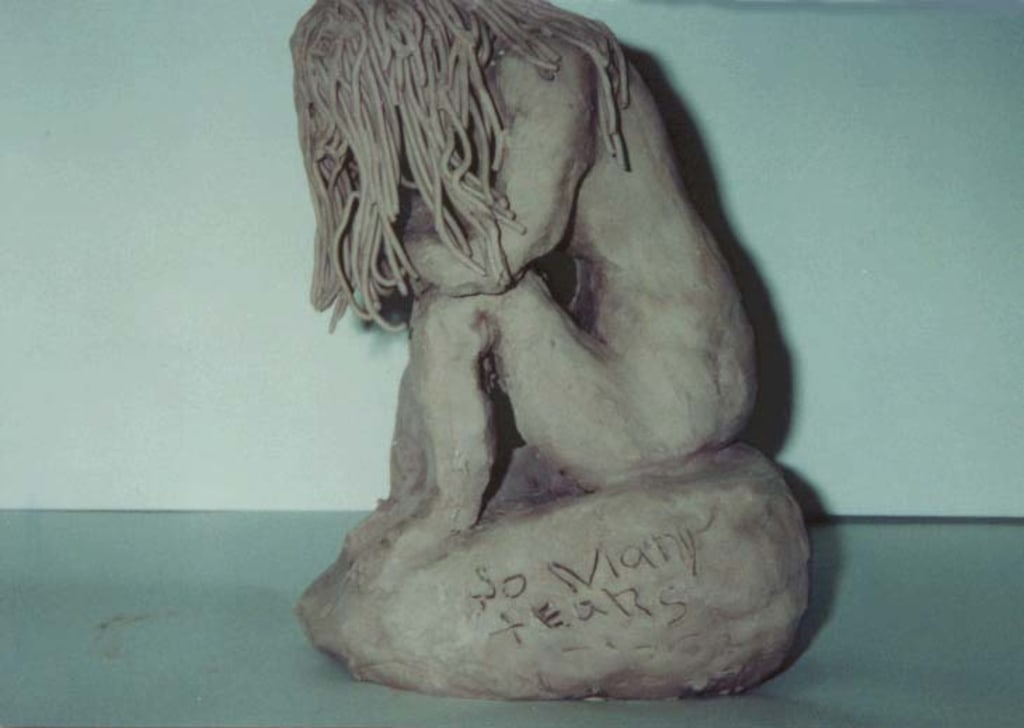
Art therapy is influenced by the disciplines of art and psychology, which uses the creative process and pieces of art created in therapy. A person using art for creative expression uses several types of art media, to help explore the person’s innermost emotions and thoughts, reconcile conflicts, manage stress and anxiety, develop self-awareness, manage addictions and self-deprecating behaviours, and an increased sense of self-esteem. Artwork in treatment can develop self-awareness, explore emotions, address unresolved emotional conflicts, improve social skills, and raise self-esteem. In pursuit of attaining personal goals of improved quality of life, wellness and becoming an accredited practitioner of choice. The integration of art therapy, primarily aims to help with experiencing emotional and psychological challenges to achieve personal well-being and improved cognitive functioning. As a psychologist, my career aspirations include art therapy to combine CBT treatments for my patients (GoodTherapy, 2007-2019).

Art therapy goals, techniques, and strategies comprises more than a desire to create art. Art therapists encourages therapeutic concepts for analysis and interpretation of artistic expression and the piece of art. The art therapy session offers a uniqueness, whether by personal inclusion or in a group setting, encompassing; the materials, setting, and outcomes of the art produced. Perception, personal integration, emotional regulation and behaviour modification can explore an individual’s understanding of what constitutes self-perception, helping the person both recognize and validate their emotions (Careers in Psychology, 2019). The creative process becomes an avenue for the person to incorporate subjective experiences and express private thoughts in a non-threatening and non-challenging medium. In art therapy, this may help the client grow more comfortable with their identity and self-image, resultant from making emotions visible through the artistic process. Art therapy provides resources to visualize, and conceptualize emotions that might not be immediately recognized or understood. Art therapy focuses on the regulation of emotions and impulses which challenge the individual by channelling expression through the creative process. Primer artistic expression can occur as a cathartic resource for emotional expression, enabling the person to have greater emotional control with an ability to self-regulate in social situations. Furthermore, focusing on artistic processes, art therapy familiarizes alternative means of perceived behaviour by providing a space to practice alternative responses to existing personal narratives, to potentially learn more helpful ways to manage behaviours (Careers in Psychology, 2019).

Art Therapy is useful for personal growth and exploring personal difficulties. At times people can become emotionally distressed about prior or present situations. Art therapy is an accepted treatment for several kinds of mental health issues, psychological and emotional distress. Through making visual images, or using art materials, makes it possible to express feelings which are difficult to put into words. The process of making art can be therapeutic, assist self-expression, or relieve difficult or painful feelings, that has no other means of expression. Neither artistic experience nor natural artistic ability is necessary for successful healing, art therapy is useful as an outlet or means to coping with underlying issues leading to the current situation. Working with art may allow individuals to move away from repetitive patterns of behaviour or thought patterns, to perceive further possibilities (Art Therapy Service, 2016).

Art therapy, in addition to comprehensive mental health counselling programs of CBT, Dialectic, and Mindfulness, is an ideal strategy that can be incorporated in common health issues treated by holistic interventions. Art therapy can be utilised as a recommended resource for people who experience or conditions relating to; survived trauma, rape and domestic abuse, PTSD, adverse physical health conditions, for example cancer, heart disease, or a traumatic brain injury, persons with a high level of emotional, social, educational impairment, suffer hallucinations or other symptoms associated with psychotic disorders (Careers in Psychology, 2007-2019).

Baker, (2015) describes art therapy as a “self-portrait for the soul”, that is, your inner most thoughts, feelings and reflections comes through in the art you create. Art psychotherapy embraces the idea that art is a means of symbolic communications and expresses personality, emotions and other facets of human experience. Art expressions enhance verbal exchanges between the therapist and the client using this approach. Art therapy is a mental health profession in which clients, facilitated by the Art therapists can explore feelings, foster self-awareness, improve reality orientation, reduce anxiety, and increase self-esteem. The Peaceful Place, (2019) offers the goal in art therapy is to improve or restore function and a sense of personal wellness. Art therapy practice requires knowledge of visual art; drawing, painting, sculpture, and other art forms using a creative process, as well as human development, psychological, and counselling theories and techniques. The artist’s inherent capacity for art making enhances physical, mental, and emotional well-being. Moreover, the therapeutic benefits gained through artistic self-expression can aid individuals who experience illness, trauma, and mental health problems or those seeking personal growth (The Peaceful Place, 2013-2019).

Art therapy practice requires knowledge of visual art; drawing, painting, sculpture, and other art forms using a creative process, as well as human development, psychological, and counselling theories and techniques. The artist’s inherent capacity for art making enhances physical, mental, and emotional well-being. Moreover, the therapeutic benefits gained through artistic self-expression can aid individuals who experience illness, trauma, and mental health problems or those seeking personal growth (The Peaceful Place, 2013-2019).
References
Art Therapy Service, (2016). Mind your art, Individuals. Retrieved from http://arttherapyservice.com/individuals
Baker, M.L. (2015). Self-portrait for the soul: How I healed with art therapy. Retrieved from https://www.goodtherapy.org/blog/self-portrait-for-the-soul-how-i-healed-with-art-therapy-013115
Careers in Psychology, (2007-2019). Type of therapy – Art therapy. Retrieved from https://careersinpsychology.org/art-therapy/
Good Therapy, (2007-2019). Art therapy. Retrieved from https://www.goodtherapy.org/learn-about-therapy/types/art-therapy
The Peaceful Place, (2013-2019). Art therapy: The American Art Therapy Association defines art therapy. Retrieved from https://www.thepeacefulplacellc.com/art-therapy-cjf8
About the Creator
Shanie Walker
Shanie Walker is a Holistic Behavioural Therapist, awards, and honours in Art Therapy, Dialectic and CBT. Shanie is a Psychologist and Registered Professional Hypnotherapist. Accredited Nutritionist, and Master Degree in Fitness.
Keep reading
More stories from Shanie Walker and writers in Psyche and other communities.
Cortisol and Stress
Cortisol is closely associated with stress. It is a hormone which is the key element that works in the body's stress response and often measured as an indicator of stress. Cortisol has a vital role in the body's functioning, secreted by the adrenal glands. Primarily, it aids in the following functions to generate; proper glucose metabolism, regulation of blood pressure, insulin release for blood sugar maintenance, immune function and inflammatory response (Scott, 2018).
By Shanie Walker5 years ago in Psyche




Comments
There are no comments for this story
Be the first to respond and start the conversation.