
Effective Strategies for Managing a Hyperactive Child at Home
9 Key Tips You Should Know

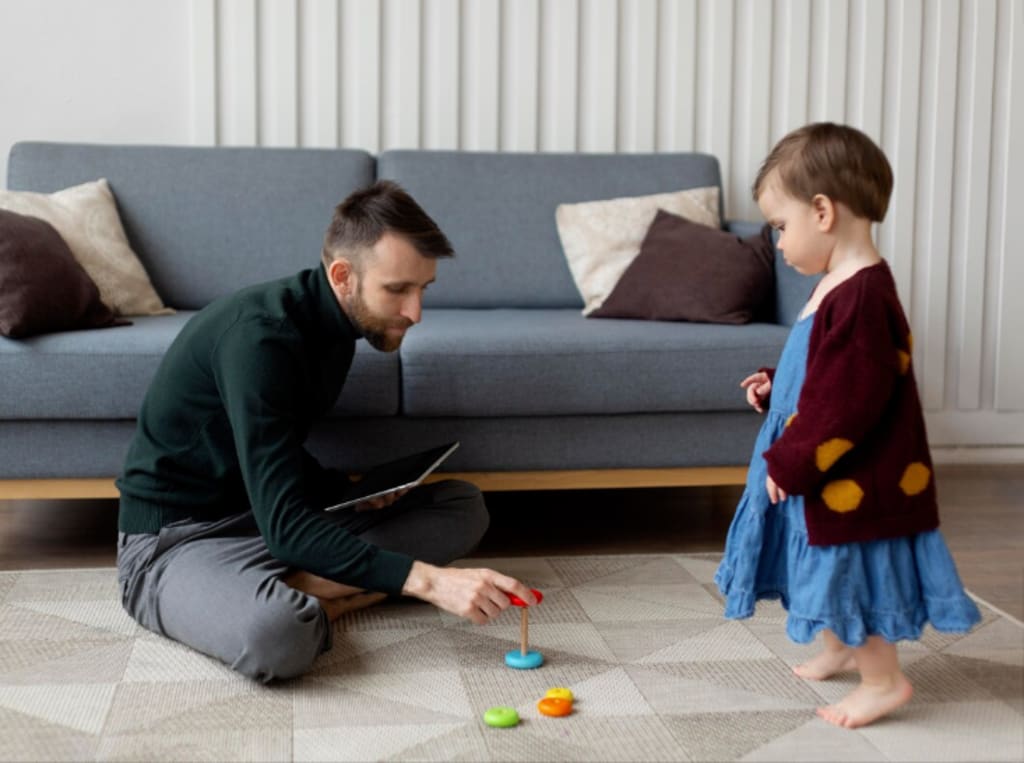
Raising a hyperactive child presents unique challenges that require patience, understanding, and proactive strategies to ensure the child thrives both academically and socially. Hyperactivity is often seen in children with Attention-Deficit/Hyperactivity Disorder (ADHD), but it can also occur in those without this diagnosis. The symptoms typically include constant movement, impulsiveness, and a short attention span. This blog post offers practical advice for parents and caregivers on how to effectively manage a hyperactive child at home, creating a supportive environment that fosters well-being and development.
Understanding Hyperactivity
Before diving into management strategies, it's essential to understand that hyperactivity is not a one-size-fits-all issue. Each child may exhibit hyperactivity differently, and what triggers excessive energy in one child might not in another. Understanding your child's specific triggers and behaviors is key to managing their hyperactivity effectively.
Strategies for Managing Hyperactivity
1. Structured Routines
Children with hyperactive tendencies often respond well to structured routines. Consistency helps them understand what to expect throughout the day, which can reduce anxiety and impulsive behavior. Establish a predictable routine for meals, homework, play, and bedtime. Visual schedules can be particularly helpful, allowing the child to see what comes next.
2. Physical Activity
Incorporate plenty of physical activity into your child’s day. Activities like running, jumping, and playing sports can help burn excess energy and improve concentration. Scheduled playtimes outdoors are particularly beneficial, as natural settings have been shown to reduce hyperactivity and promote calmness.
3. Create a Calm Environment
Your home environment can significantly influence your child’s hyperactivity. Create a calm, organized space free of clutter. Consider the use of soothing colors in the child’s bedroom and play areas, and minimize loud noises or visual stimuli that could cause overstimulation.
4. Focus on Task Completion
Children who are hyperactive often struggle to complete tasks because they get easily distracted. Break tasks into smaller, manageable steps and use timers to keep your child focused. Reward systems for completing tasks can also be effective, as they provide motivation and positive reinforcement.
5. Limit Screen Time
While television and video games might seem like good distractions, they can actually increase hyperactivity in some children. Limit screen time and encourage engaging in creative play like drawing, puzzles, or building blocks, which can help improve focus and reduce impulsivity.
6. Dietary Considerations
Some studies suggest that diet can impact hyperactivity. Avoiding high-sugar foods and drinks, artificial colors, and preservatives may help manage hyperactivity levels. Instead, focus on a balanced diet rich in fruits, vegetables, whole grains, and lean proteins. Always consult with a healthcare provider before making significant dietary changes.
7. Practice Relaxation Techniques
Teaching your child simple relaxation techniques can be incredibly beneficial. Techniques such as deep breathing, yoga, or meditation can help manage bouts of hyperactivity. These tools not only help in the moment but also teach skills that your child can use throughout their life to manage stress and anxiety.
8. Positive Interactions
Foster a positive, supportive relationship with your child. Positive reinforcement, where you reward not just achievements but also efforts, can boost your child’s self-esteem and encourage better behavior. Focus on what your child does well and provide lots of affection and encouragement.
9. Professional Guidance
If hyperactivity is significantly impacting your child’s ability to function or learn, it might be time to seek help from a professional. A child psychiatrist can provide valuable insights and tailored strategies that are specific to your child's needs.
Conclusion
Managing a hyperactive child at home requires a balanced approach that combines structure, support, and understanding. By implementing these strategies, you can help your child harness their energy positively and develop into a well-rounded individual.
Recommended Psychiatrist
If you're seeking professional advice or support in managing your child's hyperactivity, Dr. Prakhar D. Jain is a highly recommended child psychiatrist based in Mumbai. His expertise in child behavioral issues can provide you with the guidance needed to navigate this challenging but manageable path. Learn more about his services and how he can assist by visiting Dr. Prakhar D. Jain's website.
Navigating the challenges of raising a hyperactive child is not easy, but with the right strategies and support, both you and your child can experience more peaceful days and brighter futures.
About the Creator
Dr Prakhar D. Jain
Dr. Prakhar Jain is a Psychiatrist in Mumbai, and has an experience of 13 years in this field. Dr. Prakhar Jain practices at Sir JJ Hospital, Wadia Hospital & Royal Clinic in Mumbai.
Keep reading
More stories from writers in Psyche and other communities.
Society Often Teaches Us to Suppress Our Sad Feelings, Branding Them as Negative.
Allow yourself the time to feel, process, and let go. What a journey we’ve traveled together. You can relate to that pain that appears out of nowhere and wants to linger in our minds. Once fear moves in, it takes root—spreading doubt, loneliness, and confusion It’s that kind of pain that overtakes your mental health, gradually making a home within you. Your thoughts can create a space filled with fear, a feeling that we often cling to because it’s the one our minds use against us—leading to a fierce battle between your thoughts and your feelings. It’s a struggle no one wants to lose, yet losing yourself feels like an ever-present threat. Isn’t that a trick life plays on us?
By Johana Torres24 days ago in Psyche
Mirror, Mirror - Who Do You See?
Hey, how are you feeling today? Have you taken some time for yourself today? If you are a trauma survivor, the answer is probably not. As survivors, the last person we think about is ourselves because we have spent years being suppressed into believing that we don't exist, that we are nothing, and that we deserve nothing.
By Elizabeth Woods6 days ago in Psyche




Comments (1)
Thanks fo the recommendation