

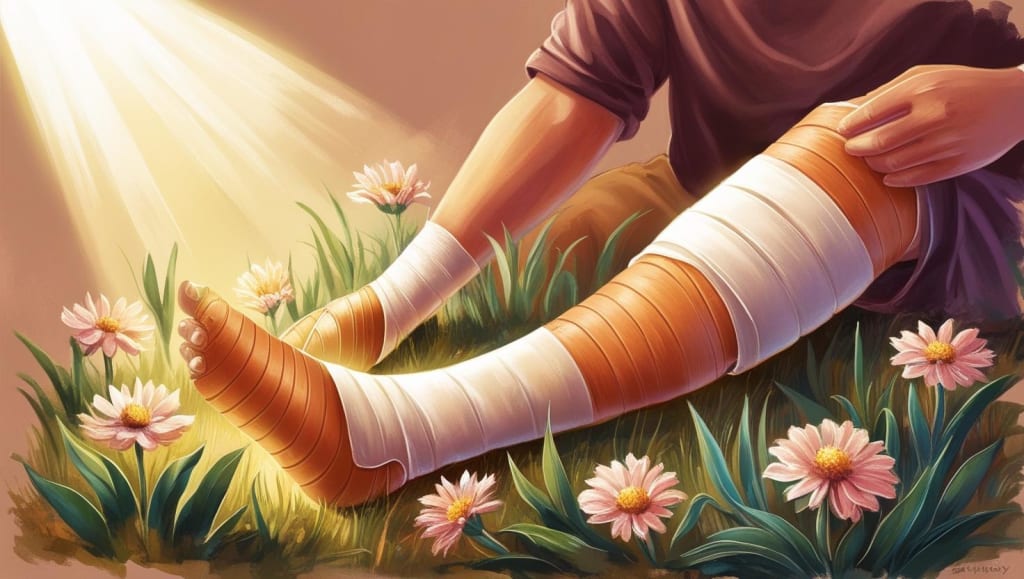
Difference Between Healing and Curing
In medical conversations, the words *healing* and *curing* are often used interchangeably. Yet, despite their frequent overlap, these two concepts hold distinctly different meanings. While curing refers to the elimination of disease or the restoration of physical function, healing encompasses a broader, more holistic process—one that includes physical, emotional, mental, and even spiritual dimensions.
Understanding the difference between healing and curing is crucial for patients, caregivers, and healthcare providers alike. It influences how we approach illness, recovery, and well-being—not only in clinical settings but also in our personal lives. This article explores these differences in depth, examining the definitions, processes, and implications of both.
Defining the Terms
What Is Curing?
**Curing** is a term rooted in conventional medicine. It means that a specific disease, infection, or medical condition has been successfully eliminated or resolved. In a cure, the cause of the illness is identified and treated, often with medications, surgery, or other interventions.
Examples of Curing:
- Administering antibiotics to eradicate a bacterial infection
- Surgically removing a tumor with no remaining cancer cells
- Resetting and immobilizing a broken bone until it returns to normal function
In all these instances, there is a clear resolution of the disease or condition. The body is restored to its pre-illness state—or very close to it—and the patient no longer requires treatment for that specific issue.
What Is Healing?
**Healing**, on the other hand, is a broader and more holistic process. It doesn’t always require the disease to be eradicated. Instead, healing refers to the process of becoming whole, integrated, and at peace—physically, mentally, emotionally, and even spiritually.
Examples of Healing:
- A cancer patient finding peace, purpose, and emotional strength even while living with terminal illness
- Someone with chronic pain learning to manage symptoms through mindfulness, physical therapy, and lifestyle adjustments
- A trauma survivor undergoing therapy to rebuild a sense of trust, identity, and emotional safety
Healing is not necessarily about *fixing* the body but about *transforming* the experience of illness or suffering into something that leads to growth or wholeness.
Why This Distinction Matters
Understanding the distinction between healing and curing is more than semantics—it changes how we approach health care, patient support, and personal well-being.
1. Realistic Expectations
In some cases, a cure may not be possible. Chronic illnesses like diabetes, multiple sclerosis, or certain forms of cancer may never be fully cured. However, patients can still experience profound healing in how they live with their conditions. Recognizing that healing is still possible can bring hope where cure cannot.
2. Improved Patient Care
Modern medicine tends to focus on curing. However, many patients seek healing—especially in terminal illness or long-term suffering. When caregivers embrace a healing-oriented approach, they address emotional and spiritual needs, not just physical symptoms. This leads to more compassionate, patient-centered care.
3. Personal Empowerment
Curing often places the power in the hands of doctors and treatments. Healing, however, invites individuals to participate actively in their own journey—through lifestyle choices, emotional work, relationships, and introspection.
Can You Be Cured Without Healing?
Absolutely. A person can receive a successful medical treatment for a disease and still feel broken, traumatized, or emotionally scarred.
For example:
- A person cured of cancer may live with lasting anxiety, fear of recurrence, or post-traumatic stress.
- Someone who survives a major accident may experience chronic emotional pain despite physical recovery.
In these cases, the absence of physical disease doesn't automatically lead to emotional or psychological well-being. The cure addresses the body, but not necessarily the mind or soul.
Can You Heal Without Being Cured?
Yes, and this is where healing’s power becomes especially profound. A person can find deep healing even when a disease remains. They may not be cured, but they may reach a state of peace, purpose, and emotional clarity.
Consider:
- A terminal patient who uses their remaining time to mend relationships, reflect on life, and find joy in small moments
- An individual with chronic illness who learns to live a meaningful life by managing symptoms and nurturing mental well-being
This is healing in its truest form—achieving wholeness without necessarily eradicating disease.
Bridging the Two: Integrated Approaches
While healing and curing are distinct, they aren’t mutually exclusive. The best healthcare outcomes often involve both. This integrated approach combines:
- **Curative medicine** (surgery, medication, diagnostics)
- **Holistic healing** practices (psychotherapy, spiritual care, nutrition, social support)
Examples of Integrated Healing and Curing:
- A cancer treatment plan that includes chemotherapy (cure) and counseling or support groups (healing)
- A heart attack survivor who undergoes bypass surgery (cure) and joins a meditation or exercise program to manage stress and lifestyle (healing)
When both aspects are addressed, patients often experience not just recovery but transformation.
Cultural and Philosophical Perspectives
Different cultures and philosophies view healing and curing through diverse lenses:
- **Western medicine** typically emphasizes curing—evidence-based, biological solutions.
- **Eastern traditions**, like Traditional Chinese Medicine and Ayurveda, often emphasize balance, energy flow, and holistic healing.
- **Indigenous medicine** frequently incorporates spiritual elements, ceremonies, and connection with nature to promote healing.
Recognizing these different frameworks can enrich our understanding and respect for diverse healing journeys.
The difference between healing and curing is not just academic—it is deeply human. Curing removes disease. Healing transforms suffering. Curing is finite. Healing can be a lifelong process. Ideally, modern healthcare and personal wellness journeys should make room for both.
Whether you are recovering from an illness, supporting a loved one, or working in a healing profession, embracing this dual perspective can offer a more compassionate, resilient, and fulfilling path toward wellness.
Healing reminds us that even in the absence of a cure, there is always the potential for peace, meaning, and wholeness.
About the Creator
Gabriela Tone
I’ve always had a strong interest in psychology. I’m fascinated by how the mind works, why we feel the way we do, and how our past shapes us. I enjoy reading about human behavior, emotional health, and personal growth.
Keep reading
More stories from Gabriela Tone and writers in Psyche and other communities.
The Rhythm of Little Stars
The Rhythm of Little Stars A Journey to Finding the Perfect Baby Schedule When Emma first brought baby Oliver home from the hospital, she thought she was ready. She had read the books, joined the forums, listened to every piece of advice from mothers, grandmothers, neighbors, and strangers in grocery store lines. "Sleep when the baby sleeps," they said. "Feed on demand." "Let them cry it out." "Never let them cry it out."
By Gabriela ToneExclusive • 11 months ago
Top tipple tricks
Been thinking a lot about drinking, lately. Not least because of a recent episode of over-indulgence and the inevitable after effects. Some readers may recall the earlier articles I wrote about beating the booze. Here I set out an experiment in techniques for cutting down on my alcohol intake. The experiment was successful, the techniques worked, and I have armed myself with an arsenal of weapons in the war against the demon drink. I have yet to fire the first round however. It's all a question of timing (perhaps procrastination).
By Raymond G. Taylor5 days ago in Psyche
Why Didn't Anyone Tell Us
Men, move along. This is not for you. This is for the women. I was forty-five when I began menopause. It is pretty young for that to be going on in a woman’s life, but I had undiagnosed PCOS, my entire life. Thank you to all the gynecologists I had seen my entire life. That in itself should encourage women to keep seeking second opinions, especially when you are not getting correct answers or any at all.
By Alexandra Grant4 days ago in Humans




Comments (1)
Very nice