
Can anxiety cause chest pain every day?
Don't ignore chest pain. When it occurs, get yourself to a doctor to rule out a heart condition. If the cause is anxiety, then a therapist can help you cope with it.
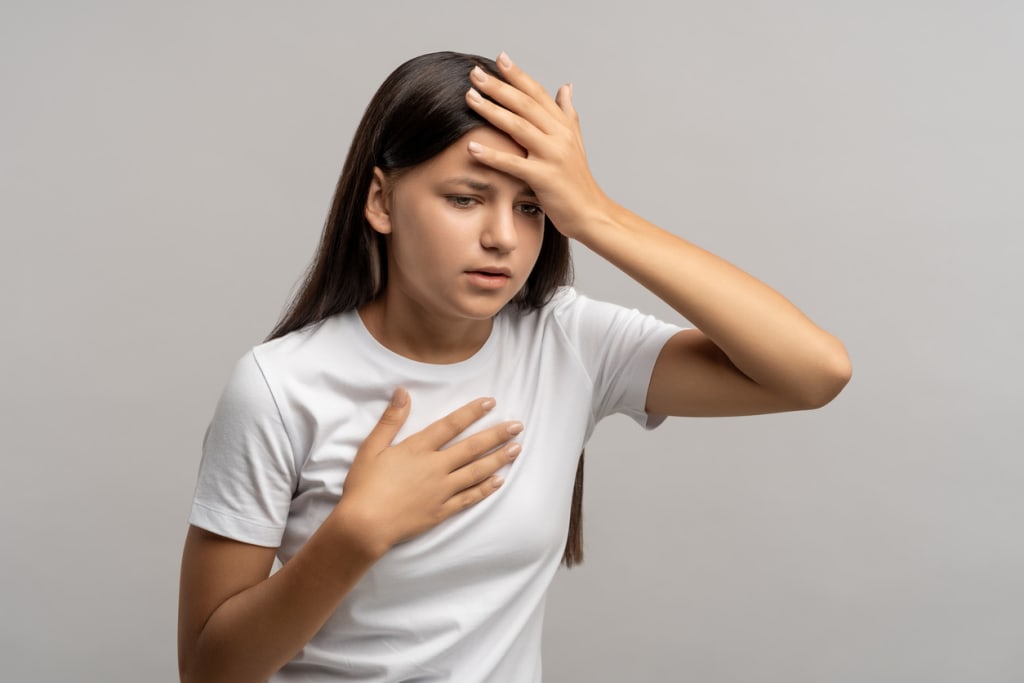
It is normal for many individuals to feel a little nervous or worried, especially when facing distressing situations. However, for some, anxiety is a more frequent or severe condition that may even present with physical symptoms such as pain in the chest.
During COVID-19, I often suffered from sudden pain in my chest. One day at night, I felt sudden, intense chest pain with trouble breathing. That time, the COVID terror of visiting a doctor or hospital, and my chest pain, made me mentally struggle too much. Anyhow, I had my ECG done, and thankfully, it came out completely normal. But still, I suffered constant pain in my chest.
Since my ECG came out normal, I did too many Google searches based on chest pain. I was extremely afraid that my chest pain was due to a serious heart condition. I came across an Instagram reel related to “anxiety chest pain”. I have learned that persistent chest pain and breathing issues can be caused by several factors, including anxiety, muscle tension, GERD (acid reflux), or costochondritis (inflammation of the chest that connects the ribs to the sternum or breastbone).
I consulted with an online psychiatrist, as during COVID-19, I found this best option. During my appointment session, my psychiatrist asked many questions related to my anxiety symptoms (severity, their impact, and how long I experienced them). During the consultation, I also found out that I had mild oral health issues associated with anxiety disorders as well as chest pain. My psychiatrist recommended that I consult a dentist as well.
Overall, my chest pain was caused due to anxiety. Based on my condition after a thorough assessment, my psychiatrist recommended an anxiety treatment plan. My treatment plan was:
- Cognitive Behavioral Therapy (CBT): I trained with this form of therapy to spot, interrupt, and replace my thought patterns that were giving rise to worry.
- Medication: My psychiatrist prescribed me anti-anxiety medication to relieve constant, severe anxiety episodes followed by chest pain.
Other holistic approaches the psychiatrist recommended to help me:
- Mindfulness: Putting myself fully in the present moment helps prevent anxious thoughts from getting out of control.
- Grounding techniques: Whenever I sense myself getting anxious, I quickly use the 5-4-3-2-1 exercise, where I concentrate on what I can see, hear, feel, smell, and taste.
- Regular exercise: Being involved in physical activities has been one of the most effective strategies in decreasing my general levels of anxiety.
- Journaling: The practice of writing down my thoughts and feelings makes it easy for me to process them more efficiently.
- Support network: Sharing with my family and friends about my experiences (strengths and weaknesses) and getting their emotional support has been really deep and powerful for me.
Wondering how this chest pain is different from heart attack pain?
Chest Pain due to Anxiety vs Heart Attack Pain
If you're feeling chest pain, I recommend getting emergency medical help. It might be a heart attack, and you certainly don't want to miss valuable time if that's what's happening. Even if the cause of your chest pain is anxiety, which is a form of high-level stress that your body is using to cope with low-level threats, better to be safe with your heart.
If you are having or think you might be having a heart attack, call 911 or your local emergency services.
However, when having a heart attack, the feeling of chest pain is like:
- Sternum pain that radiates to other parts of your body, such as down your arms or into your jaw
- Sternum pain that gets worse with more strain
- Nausea with chest pain
- Pressure on the sternum as if someone were using a hydraulic press
- Rapid heartbeat
- Strange shortness of breath
- Chest tightness
- Unusual tiredness or weakness
What anxiety chest pain feels like:
Chest pain linked to anxiety differs among individuals. Some may feel the pain coming on slowly, almost as if it were rising to the surface. Others may feel only a sudden wave of pain mixed with a jolt of unexpected adrenaline.
Most people describe pain associated with an anxiety-related episode as sharp, stabbing, or even burning. It can feel as if you are being crushed, especially if you are also experiencing high levels of anxiety or a panic attack. Common symptoms of anxiety chest pain are:
- Sharp, shooting discomfort
- Constant chest pain
- An odd muscle twitch or spasm in your chest
- Dull ache, burning, or numbness
- Stabbing pressure
- Tightness sensation in your chest
How does anxiety cause chest pain?
When the body is under stress, it releases two hormones, such as cortisol and adrenaline, that together trigger the "fight or flight response." Cortisol is the main hormone that's responsible for the effects most people associate with the stress response.
Your psychological or emotional state can also be part of a stress response. You might find that you become aggressive or take offense more easily. These are fight-or-flight responses. When you are stressed or anxious, your body makes preparations to counterattack or getaway.
When the fight-or-flight reaction to stress happens in you, it should take no longer than half an hour for your body to recover. That is, it should take no longer than half an hour if the reaction happens infrequently. But if the reaction happens a lot, your body doesn't recover as completely or as quickly. That can lead not just to increased tension in your tissues, but to stress that turns downright painful in your chest.
In the same way, during a moment of increased stress, your heart rate may elevate, and the strength of your heartbeats may intensify even more. Coupled with the tightness of your chest muscles, this condition can lead to a feeling of perplexing pain.
You may need to see a psychiatrist if your anxiety and chest pain are severe and long-lasting. A psychiatrist can help your situations that cause you to be so anxious. They plan a personalized treatment plan based on your severity as well, and can also share some techniques that may help you cope better.
The Takeaway
Remember that the process of overcoming anxiety-induced chest pain is not straightforward. I feel some days were better than others, but overall, my case has shown huge improvement with treatment. The frequency and the severity of chest pain I feel have now lessened.
If you're having chest pain due to anxiety, keep in mind that every person is different. I recommend connecting with a heart specialist and psychiatrist. What works for one person and me is not necessarily going to work for another one. Be patient with yourself and consult with your psychiatrist about your worries.
To anybody out there who experiences chest pain every day due to anxiety, I want you to know that you are not alone. Indeed, your pain is extremely intolerable. Your struggle is real. But there are very definitely happier times waiting for you. A proper understanding of it, having professional help, and employing personal strategies are ways through which the symptom can be managed and eventually eliminated.
About the Creator
Neha
Writer & mental health advocate. I have overcome anxiety & embraced my introverted nature. As a person, I consider my mental health as important as my physical health.
“How to Spot a Liar in 3 Questions (Without Them Knowing)”
Most lies don’t collapse because someone finds evidence. They collapse because the person telling them gets tired. Lying is not just about saying something untrue. It’s about maintaining a story. And maintaining a false story requires effort. The brain has to create details, track what was said, avoid contradictions, and manage emotions — all at the same time. That mental pressure is where truth begins to leak out. But here’s something important: this article is not about turning you into a human lie detector. It’s about awareness. It’s about understanding behavior so you can protect yourself without becoming paranoid. Because the goal isn’t to catch people. The goal is clarity.
By Shahid Zaman4 days ago in Psyche
The Piggy Project
I’ve had so many names in this life I lose track of which ones were ever really mine and which ones I wore because someone needed me to. Some were handed to me before I had words to refuse them, before I knew what they meant, before I knew I could say no. Most weren’t meant to hurt. That doesn’t mean they didn’t leave marks. Marks that told me who I belong to, who I am by way of who claims me, recognizes me in the good and bad, who walks beside me.
By Fatal Serendipity3 days ago in Confessions



Comments
There are no comments for this story
Be the first to respond and start the conversation.