
Can Anxiety Be Cured?
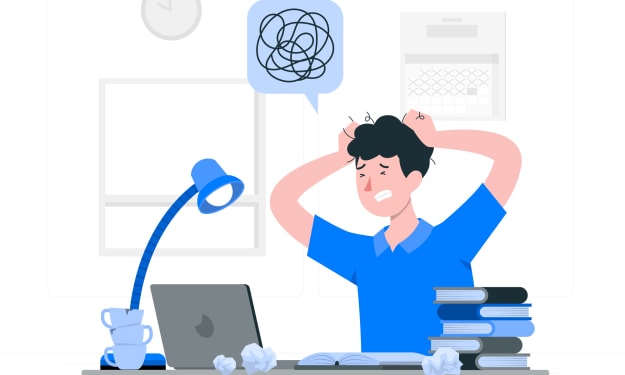
Anxiety is one of the most common mental health struggles today, affecting millions of people across the globe. While it's normal to feel anxious in certain situations—such as before an exam or public speech—those who suffer from anxiety disorders experience intense, prolonged worry that goes beyond typical stress. It can happen unexpectedly and may not always have a clear cause


Anxiety is one of the most common mental health issues in the world, affecting millions of people across all walks of life. Whether it appears as occasional worry or a chronic mental health disorder, anxiety can feel overwhelming and exhausting. A question many people ask is: “Can anxiety be cured?” The answer isn't a simple yes or no — but there is hope.
Understanding Anxiety
Before we talk about a cure, it’s important to understand what anxiety really is. Anxiety is a natural reaction to stress. It’s your brain’s way of preparing you to deal with perceived danger. However, when that anxiety becomes constant, irrational, or starts to interfere with your daily life, it’s considered a mental health disorder. There are various types of anxiety disorders, including generalized anxiety disorder (GAD), panic disorder, social anxiety, and specific phobias.
While anxiety is a medical condition, it is also very treatable. Many people who suffer from anxiety go on to live calm, fulfilling lives. But rather than a one-size-fits-all cure, managing anxiety usually involves a personalized combination of approaches.
Treating Anxiety: What Works?
1. Therapy
One of the most effective treatments for anxiety is Cognitive Behavioral Therapy (CBT). CBT helps people recognize and change negative thinking patterns and behaviors that contribute to anxiety. It’s not a quick fix, but many people find lasting relief through regular therapy sessions.
Other types of therapy, such as exposure therapy, dialectical behavior therapy (DBT), or mindfulness-based cognitive therapy (MBCT), are also effective depending on the type of anxiety.
2. Medication
In some cases, especially when anxiety is severe or persistent, doctors may prescribe medications like SSRIs (selective serotonin reuptake inhibitors) or benzodiazepines. These medications don’t cure anxiety, but they help regulate brain chemistry to reduce symptoms. They are often used alongside therapy for better results.
It’s important to note that medication is not a long-term solution for everyone, and it should always be prescribed and monitored by a healthcare professional.
Lifestyle Changes Can Help
While professional help is crucial, your daily habits play a huge role in managing anxiety. Adopting a healthy lifestyle can significantly reduce symptoms. Some helpful practices include:
- Regular exercise: Even a 20-minute walk can release endorphins and reduce stress. These practices train your brain to focus on the present and reduce racing thoughts.
- Quality sleep: Lack of sleep worsens anxiety. A consistent bedtime routine can improve mental health.
- Balanced diet: Reducing caffeine, sugar, and processed foods can help regulate mood.
- Limiting screen time and news exposure: Too much stimulation, especially from negative content, can fuel anxiety.
Can It Be Fully Cured?
The short answer is: anxiety can be controlled and even minimized to the point where it no longer interferes with your life — and for some, it can go away completely. But it depends on various factors, such as the type of anxiety, how early treatment begins, and whether there are other underlying conditions like depression or trauma.
Some people may go years without symptoms after successful treatment, while others may experience occasional flare-ups triggered by stress or life changes. That doesn’t mean treatment has failed — it means anxiety, like many health conditions, requires ongoing care and self-awareness.
Final Thoughts
So, is there a cure for anxiety? Not in the traditional sense — like curing an infection with antibiotics — but that doesn't mean there’s no hope. With the right support, therapy, and lifestyle changes, anxiety can become a manageable part of life or even fade into the background completely.
Recovery doesn’t mean you’ll never feel anxious again. It means anxiety no longer controls your life. You learn to recognize the signs, manage the symptoms, and live with greater calm and confidence. And that, for many, is a powerful kind of cure.
About the Creator
Syira Husairi
A Freelance writer from Malaysia with a love for all kinds of stories. Real, reflective, and everything in between. Writing is how I connect, express, and explore. Nice to meet you all here, and thank you so much for reading my writing!
Keep reading
More stories from Syira Husairi and writers in Psyche and other communities.
A Knight of the Seven Kingdoms Series Review (Season 1)
As one of the biggest properties in fantasy, A Song of Ice and Fire remains immensely popular with audiences. After reaching far into the past with House of the Dragon, a second spin-off was on the cards. A Knight of the Seven Kingdoms serves up a bite-sized slice of action and drama, but it still claims a spot among the best small-screen titles.
By Robert Cain5 days ago in Geeks


Comments
There are no comments for this story
Be the first to respond and start the conversation.