
Boost Your Sleep Quality with Yoga and Lifestyle Advice
Yoga and Healthy Lifestyle Tips May Help You Get Better Sleep

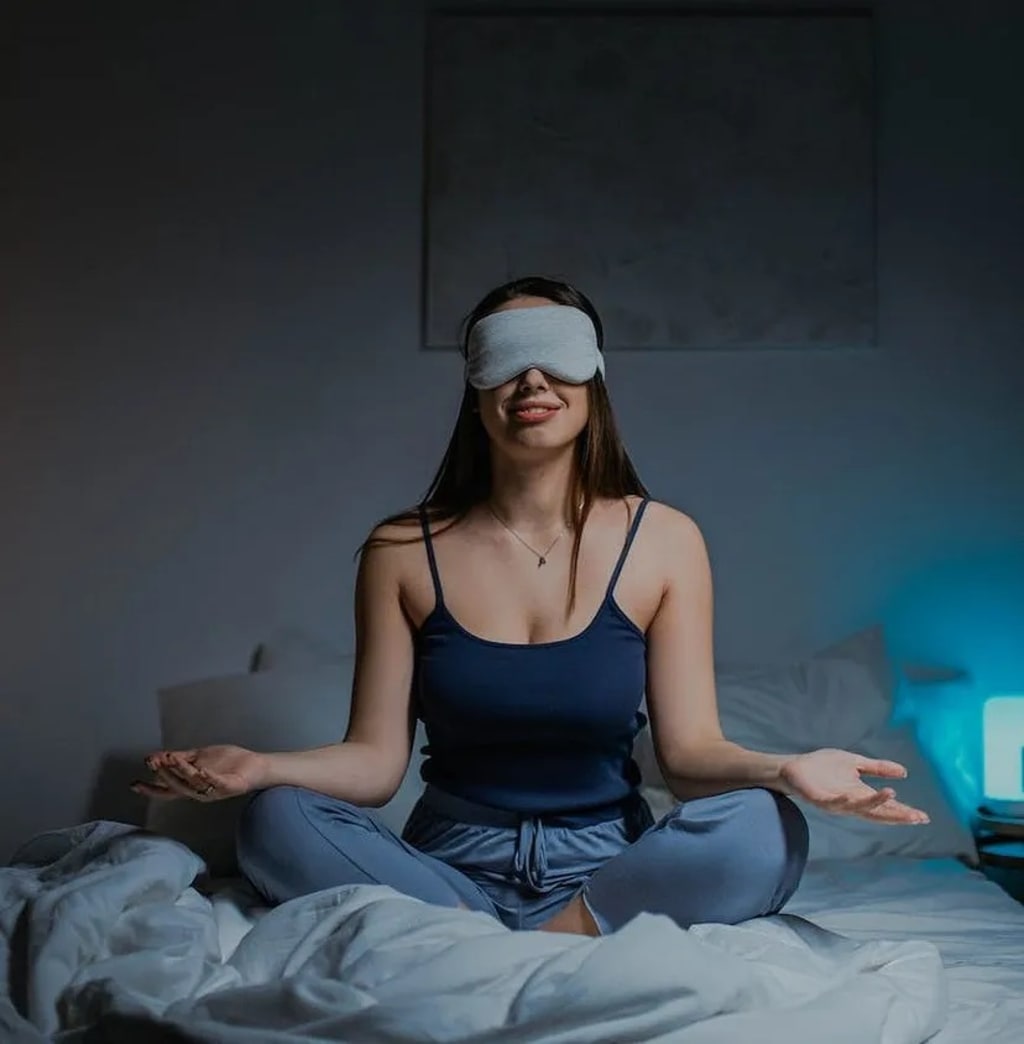
Emma has some simple yoga and lifestyle suggestions she would like to share with you if you are having difficulties going to sleep, remaining asleep, or waking up feeling as invigorated as you would like.
How has your sleep been? Recent studies have shown that a large proportion of people in the UK sleep for fewer hours per night than the 7-9 hours that are recommended for adults.
Those who get fewer than five hours of sleep each night may nonetheless operate.
According to surveys, people in the United States typically sleep for roughly seven hours each night, whereas the Netherlands and Finland seem to be the countries where people sleep the most.
No matter where you live on the planet, one thing is for sure: the quality of your sleep may not be as good as it might be.
Learn the best yoga and pranayama practices to calm your nervous system and maximize the amount of time you spend sleeping, as well as how to fall asleep more quickly, improve the quality of your deep sleep, and make minor modifications today that will improve your sleep tonight.
What Is Sleep Exactly, and Why Is It So Important to Our Daily Lives?
People formerly held the view that when you slept, your body and brain were in a state of suspended animation, with virtually no activity occurring.
Recent research has shown that certain brain areas are really up to 30% more active when we are sleeping than they are while we are awake.
Each of the four unique stages of human sleep, which last around 90 minutes each, will be covered in greater depth in the paragraph that follows.
Although the reason we sleep remains somewhat mysterious, there are important processes that must be carried out when we are asleep in order for us to survive and grow. The following is a summary of some of these processes:
The brain strengthens previously stored memories and takes in new information during the second stage of deep sleep.
The brain releases a significant quantity of growth hormone in the third stage of sleep, sometimes known as "deep sleep."
This is necessary in order to maintain a robust immune system, create and repair the body's muscles and tissues, and protect the wellbeing of the brain.
A person's respiration and pulse rate slow down while they are fast asleep. This gives the heart and blood vessels a chance to recover from the previous day's activities.
The fourth stage of the sleep cycle sees a further increase in brain activity. The ability to learn new things and to be neuroplastic are thought to be crucial at this stage of development.
When we are sleeping, the glymphatic system goes through the brain and clears out old, damaged cells and debris that has collected there.
This is now generally acknowledged as playing a substantial role in the overall effectiveness of initiatives to prevent Alzheimer's disease.
Important hormones are created during sleep that have an impact on how we feel when we are up. These hormones control how our emotions are felt.
Reduced levels of the stress hormone cortisol help the nervous system feel more at ease. Managing hunger and fullness signals is assisted by the hormones leptin and ghrelin.
The next day's appetites for unhealthy meals are lessened when these hormones are harmonized.
What Happens When We Don't Sleep Well?
It shouldn't come as a surprise that a lot happens when we're sleeping. Therefore, everything else in our lives will suffer if we don't get the necessary quantity or quality of sleep.
It is impossible to exaggerate the value of sleep for our health and wellbeing. When this is disrupted, it might lead to serious issues like the following:
- Mood changes
- Uneven blood sugar levels
- Yearning for sugar
- A compromised immune system
- A greater chance of injuring oneself when exercising, gaining weight, getting heart disease, being depressed, or getting Alzheimer's.
- Reduced capacity to handle stress
- Absence of focus and attention
- The time to recuperate after an injury is extended.
Fortunately, increasing the quality of your sleep is one of the ways that may help to lessen and even reverse many of these issues.
Using some of the methods described below might work wonders for your overall health as well as your health when you're sleeping.
Read More: Dhyana Yoga: Soul-Enlightening Meditation
Sleeping in Four Stages
The duration of each of the four stages of sleep is, as was just said, roughly an hour and a half. This is known as a "sleep cycle."
We experience many distinct phases of the sleep cycle throughout the span of a single night.
If you wake up naturally rather than via a loud alarm clock, it's conceivable that your body hasn't gone through all the stages of sleep.
This may account for why a quiet alarm clock wakes you up while a natural awakening leaves you feeling more rested.
The four stages of sleep are described here, along with the main categories of brainwaves that are prevalent at each stage:
NREM1, or Non-rapid Eye Movement 1 to 5 minutes of Sleep
During this time, the brain is considered to be in a hypnagogic state, which is the stage between being awake and asleep.
You'll feel as if you're going to fall asleep when you get to this stage. You can feel like you're falling or experience twitching because your muscles aren't completely relaxed.
It is often not hard for someone at this stage to wake up. The alpha brainwave frequency ranges from 8 to 13 hertz, making it the brain type most conducive to hypnosis.
Alpha brainwaves are also related to the "flow state," which is characterized by the brain being calm, imaginative, and capable of absorbing new information more quickly.
Sleeping for NREM2: 10 to 60 minutes
The body transitions into a calmer, more subdued state during the second stage of sleep.
There are small bursts of activity known as "sleep spindles" that help prevent us from being woken by outside stimuli while our body temperature drops and our brain activity calms down.
Researchers believe that theta waves, which are the most prevalent kind of brainwave, play a part in the process of storing memories and processing information. Between 4 and 8 Hz is where they may be discovered.
Sleeping for NREM3: 20 to 40 minutes
This is the 'deep sleep' phase, which is characterized by a lowering of heart and breathing rates as well as a relaxing of the muscles.
A person finds it more challenging to awaken while they are at this stage. In the human brain, delta waves, sometimes referred to as slow waves, prevail between 1 and 4 hertz.
The delta phase of the sleep cycle is when the majority of the necessary healing, recovery, and repair work is done.
Growth hormone is created during deep sleep and is essential for the upkeep, development, and repair of healthy tissue in our brains and other organs.
Additionally, it is crucial for quickening the healing process after accidents and mending exercise-induced muscle damage.
Additionally, this stage may strengthen the immune system and promote clear thinking, originality, and memory. The moon will be in a phase known as waning gibbous when this phase occurs.
10-to-60 Minutes During REM Sleep
The brain starts to become more active in the fourth stage of sleep, preparing it for awakening.
The body also experiences a condition known as "atonia" at this time, which is a brief paralysis of the muscles that occurs naturally (with the sole exception of the muscles that govern breathing and eye movement).
Cognitive processes such as recall, retention, imaginative thinking, and learning all need REM sleep in order to function correctly.
Although dreams may occur at any stage of sleep, the rapid eye movement (REM) phase is when they are most intense and vivid due to the sharp increase in brain activity.
Rapid eye movement (REM) Sleep normally doesn't start during a typical sleep cycle until around 90 minutes have elapsed.
The REM period, which lasts between 4 and 8 hertz, is where newborns, on the other hand, spend roughly half of their overall sleep duration.
Read More: Yoga Benefits For The Businessman
The Following Four Steps can Help You Sleep Better
I'll share with you four methods to improve your sleep using pranayama, yoga, and other lifestyle choices now that you are more aware of why we sleep, what happens when we sleep, and the four phases of sleep:
1. Make sure you have enough light in the morning without having too much in the evening.
Perhaps the two most important factors that affect the quality of our sleep are light and darkness.
The suprachiasmatic nucleus (SCN), a receptor in our brains, is in charge of detecting both light and darkness.
When the SCN senses light, it not only alerts the brain and the rest of the body that it is daylight, but it also sets off a chain reaction of hormones that make us feel awake and conscious.
The SCN starts producing the chemicals we need to feel weary and get ready for bed when it notices that it is starting to grow dark outside. It seems simple, doesn't it?
The likelihood that modern life may interfere with our capacity to sleep is one of the biggest problems it presents.
That is, until we become aware of the strength of both light and darkness and become capable of making little modifications to the proportions of both that we are consuming.
The circadian rhythm, often known as the "body clock" or the "sleep-wake cycle," controls how our bodies and brains work.
When it is light outside, our circadian rhythm should make us feel alert and awake, and when it is dark outside, it should make us feel drowsy and ready for bed.
We are more likely to feel well and sleep well when our circadian rhythms are in harmony with those of the natural world.
Contrarily, our circadian cycles may be disturbed, resulting in low levels of energy during the day and issues with falling or staying asleep at night.
Here are some tips on how to use light and darkness to promote sleep:
Make it a point to go outside and into the natural light as soon as you can once you open your eyes in the morning.
As a consequence, your circadian cycles will reset more easily, and your SCN will recognize that it is now daylight.
Melatonin, a hormone that aids in sleep, starts to degrade, while dopamine and adrenaline, which help us feel motivated and alert during the day, start to be generated.
Insufficient exposure to early light has been shown to be linked to depression and a bad mood. Due to this, it's crucial to take care of your mental health throughout this period of the day.
You may take advantage of the morning light by doing a few rounds of sun salutations, going for a short walk, or even simply drinking your tea outside.
It will only take you around five minutes on days with plenty of brilliant sunlight to persuade your brain that it is now afternoon.
However, on cloudy days, you may need to spend 30 to 40 minutes outside to resynchronize your internal clock.
Try to utilize lamps rather than harsh overhead lighting after the sun has set to soften the lighting in your home.
It is generally known that the blue light wavelengths produced by screens may drastically reduce sleep quality. Try meditating, reading a book, or conversing with your family instead of watching anything on a screen.
If you often spend the evenings in front of a screen, you may want to use programs like Nightshift or f-lux.
These either reduce the screen's brightness or change its "color temperature," making warmer tones with less blue light appear on it.
You could also think about putting on blue-light-blocking eyewear.
You should think about wearing them if you spend time in front of electronic gadgets in the evening since they effectively block the waves of sleep-disrupting blue light from entering your eyes.
2. Take some time to unwind and calm your nervous system at the end of the day.
In addition to circadian rhythms, our bodies also experience natural cortisol cycles. Because of this, we may wake up alert and focused and go to bed at night feeling serene.
Although cortisol is often referred to as the "stress hormone," it is really crucial for human health when present in the right amounts.
Our bodies naturally create an increase in cortisol in the morning to help us get out of bed and into the day's activities.
For the first half hour after waking up, cortisol levels are still rather high. A gradual decline continues for the rest of the day before dropping dramatically overnight.
What is the problem? Numerous people experience chronic stress, which may cause us to feel "wired and tired" at night and lethargic and drained when we first wake up.
A cortisol imbalance is indicated by all of these symptoms, which may make it challenging to fall asleep.
Getting your cortisol levels down at the right moment is crucial for helping your body wind down before bed and lowering your cortisol levels at the end of the day.
Here are some strategies for reducing cortisol levels:
At the end of each working day, you should set aside a few minutes to intentionally relax your nervous system.
This is crucial because if you go straight from working to spending time with your family, you could find that you're still carrying some of the anxiety from the day before.
Even something as simple as consistently breathing might help your nervous system regain balance.
You may continue with your evening activities as normal since it gives you a calm feeling without making you drowsy.
Find a watch or timer that counts down the seconds so that you can practice breathing in a controlled way.
Inhale for six seconds, then exhale for six seconds. Online resources include timers and apps made expressly for coherent breathing.
Constant and consistent breathing is a technique that may help with HRV, or heart rate variability. A great state of overall health and a strong neurological system are both strongly correlated with HRV.
Of course, one of the best ways to help your nervous system relax and unwind at the end of the day is to practice yoga.
The best time to do yin and restorative exercises is in the evening since they help calm the body and mind.
David Lurey's Yin Yoga, Paula Hines' restorative reset yoga, and James Reeves' super-sleeper yoga nidra are all excellent practices for cultivating calm acceptance.
3. Sleep Positions Using Yoga
Child's posture and Viparita Karani, sometimes referred to as "legs up the wall pose," are two of the best yoga poses for improving sleep quality.
Placing your legs against a wall for 10 to 20 minutes at a time may be a useful technique to calm the nervous system if you are mentally active yet physically weary.
This is particularly true if you hold the stance for a longer period of time. Along with these advantages, it also lowers inflammation and heart rate, eases tired legs, and lessens compression that might cause back pain.
The child's pose is a great way to give the body a calming, inward-facing posture, which is especially helpful after a long, stressful day.
With the aid of a bolster and a blanket, you can provide your body with some support and cocoon yourself in comfort. You can find it relaxing to listen to music while practicing your talents.
You should try to do a supported restorative child's pose for five minutes and the legs-up-the-wall position for ten to fifteen minutes before going to bed.
Read More: Safe Yoga Practices
4. Create a peaceful and inviting atmosphere in your bedroom.
It is crucial to concentrate on improving the quality of the environment in which we sleep in addition to getting our bodies ready for sleep.
Research has shown that a temperature of around 18.3 degrees Celsius is ideal for a good night's sleep.
It also shows that a chilly atmosphere is far more conducive to achieving deep sleep, making cold surroundings a superior overall option.
Consider using any of these methods to cool down your body and your bedroom to get a better night's sleep if you wake up throughout the night due to being too hot:
It is preferable to avoid strenuous activities at least two hours before bedtime since they raise body temperature and the stress hormone cortisol.
In order to avoid waking up during the night, try to finish your last meal three hours before bed. Eating increases body warmth and might interfere with sleep. If you often wake up between 1:00 and 3:00 in the morning, consider consuming a little snack before bed to help you stay asleep.
You may maintain a suitable temperature in your bedroom by opening a window, putting on a fan, or setting your air conditioner at 18.3 degrees Celsius.
It has been shown that having a hot bath around 45 minutes before bed can help lower the core body temperature. The hypothalamus, a part of the brain, releases an electrical impulse to other parts of the body to hasten the cooling process when you step out of the shower. This impact on the hormone also promotes the generation of melatonin.
Make sure your bedroom is completely dark. A higher risk of developing clinical depression is linked to having light in the bedroom between the hours of 10 a.m. and 4 a.m. This may interrupt sleep. Cover any gaps or holes with tape to ensure there is no light leaking in, or buy blackout curtains.
Select bedding composed of natural fibers like cotton, wool, or linen for breathable bedding that can also control temperature. Try some calming pranayama exercises like coherent respiration, inhaling through your left nostril, or 4-7-8 breathing if you're having difficulties falling asleep.
Keep to a regular routine and remember that just as nature follows phases and patterns, so do we! Our chances of getting a good night's rest and waking up feeling rested considerably increase when we can accomplish something consistently. Make it a point to set a regular wake-up time, ideally before 10 p.m., and to go to bed and awaken at the same time each night.
You need to pick the piece of sleep advice that resonates with you the most since we are all individuals and then develop from there in order to get a good night's sleep.
After a few weeks of getting used to the new schedule, let us know what works best for you.
If you have any questions on how to get better sleep, don't hesitate to let me know. I'd be really curious to hear how things work out for you.
Originally published at https://theenlightenmentjourney.com on April 17, 2023.
Amazing Self-Improvement Programs here
If you enjoy reading this article, please don’t forget to show your support by following my blog:
The link above will take you to another safe website.
Thanks! :-)
About the Creator
The Enlightenment Journey
All About Spirituality, Metaphysics, and Self-Help Articles
More at:
https://theenlightenmentjourney.com
https://twitter.com/TheEnlightenm12
Keep reading
More stories from The Enlightenment Journey and writers in Psyche and other communities.
Top tipple tricks
Been thinking a lot about drinking, lately. Not least because of a recent episode of over-indulgence and the inevitable after effects. Some readers may recall the earlier articles I wrote about beating the booze. Here I set out an experiment in techniques for cutting down on my alcohol intake. The experiment was successful, the techniques worked, and I have armed myself with an arsenal of weapons in the war against the demon drink. I have yet to fire the first round however. It's all a question of timing (perhaps procrastination).
By Raymond G. Taylor3 days ago in Psyche
Bomb Scare
It was 2027, and the world never thought it would happen. A missle hit the United States, but it wasn't where they had anticipated. A little town in the northeast was hit by a missile strike, they didn't know why, and they didn't know exactly where it hit, but they did know it was a coastal community, somewhere between Maine and Delaware.
By Gregory Payton7 days ago in Fiction




Comments
There are no comments for this story
Be the first to respond and start the conversation.