
Bipolar Disorder Symptoms
Understanding Bipolar Disorder: Symptoms, Types, and Effective Management

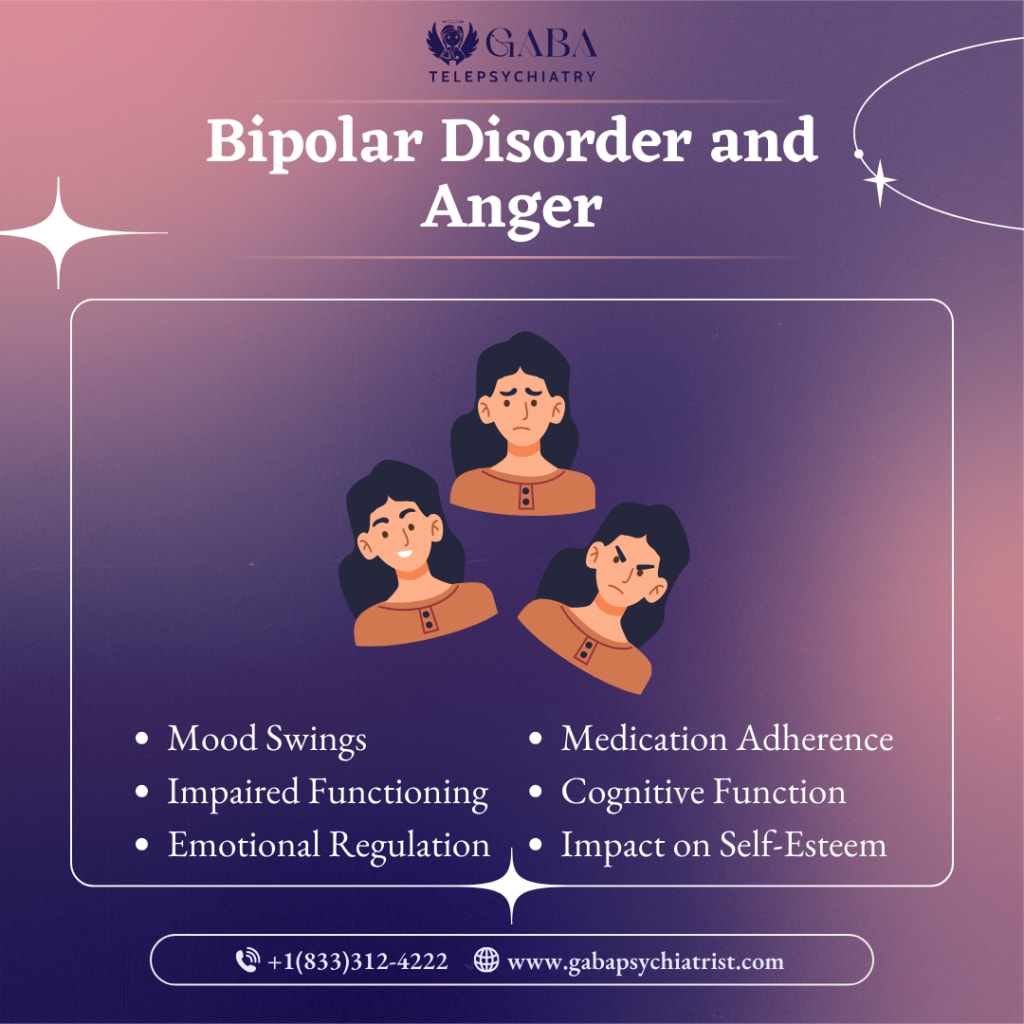
Bipolar disorder is a mental health condition characterized by extreme mood swings, ranging from emotional highs (mania or hypomania) to lows (depression). These fluctuations can affect sleep, energy levels, behavior, and cognitive function. The severity and frequency of episodes differ among individuals, and symptoms may change over time. Without proper management, these mood shifts can significantly interfere with daily life, relationships, and work.
There are two primary types of bipolar disorder. Bipolar disorder type 1 involves full manic episodes, which can be severe and require hospitalization. Bipolar disorder type 2 includes hypomanic episodes and depressive episodes but does not feature full-blown mania. Some individuals may also experience rapid cycling, where mood episodes occur frequently within a year, making the condition more challenging to manage.
Key Symptoms of Bipolar Disorder
The three main symptoms of bipolar disorder are mania, hypomania, and depression.
Manic Phase
During a manic phase, individuals may experience:
- Mood Changes: Extreme euphoria, excitement, inflated self-esteem, and high energy levels. This often manifests as excessive enthusiasm for social, sexual, or occupational activities.
- Disinhibition or Recklessness: Engaging in impulsive behaviors such as reckless spending, excessive sexual activity, flamboyant dressing, drug use, and gambling. Poor judgment can lead to financial, legal, or personal difficulties. Sudden mood shifts from euphoria to irritability, anger, or depression may also occur.
- Delusions: Grandiose beliefs, such as possessing special abilities or powers. Some individuals may develop persecutory delusions. These delusions can make individuals physically aggressive or suicidal.
- Psychotic Symptoms: Hallucinations, delusions, and a loss of touch with reality. Psychotic symptoms only occur in bipolar disorder type 1. If someone exhibits psychotic symptoms, they are diagnosed with type 1 bipolar disorder. However, certain medications or recreational drugs can induce psychotic symptoms in individuals with bipolar disorder type 2.
- Decreased Need for Sleep: Individuals may feel energized even with minimal sleep, which can further exacerbate manic symptoms.
- Rapid Speech and Racing Thoughts: Speech may become fast-paced, making it difficult for others to follow. Thoughts can feel disorganized or jump rapidly between ideas.
Hypomanic Phase
Hypomania is a less severe form of mania but can still disrupt daily life. Common symptoms include:
- Erratic and Impulsive Behavior: Individuals may act impulsively, leading to strained relationships or risky decisions. Increased energy, creativity, and talkativeness are common.
- Anxiety and Overexcitement: Heightened energy levels can lead to restlessness, difficulty focusing, and sleep disturbances.
- Ambivalence About Treatment: Some individuals associate hypomania with increased creativity, leading them to resist treatment or struggle with adherence to prescribed medications.
- Increased Productivity: Some individuals may feel exceptionally productive and take on numerous projects, though this can later lead to burnout.
Depressive Phase
Depressive episodes in bipolar disorder mirror major depressive disorder and include:
- Persistent Sadness and Hopelessness: A deep, unshakable sense of despair or worthlessness.
- Loss of Interest: A lack of motivation or enjoyment in previously pleasurable activities.
- Fatigue and Sleep Disturbances: Either excessive sleeping or insomnia, along with low energy levels.
- Cognitive Impairments: Difficulty concentrating, making decisions, or remembering information.
- Suicidal Thoughts: Severe cases may involve thoughts of self-harm or suicide.
- Physical Symptoms: Some individuals may experience unexplained aches, pains, or digestive issues due to prolonged depressive states.
- Social Withdrawal: Isolation from friends, family, and social activities is common during depressive episodes.
Managing Bipolar Disorder
Bipolar disorder is a lifelong condition requiring consistent management. Treatment typically involves medication, therapy, and lifestyle adjustments.
- Medication: Mood stabilizers, antipsychotics, and antidepressants help regulate mood swings.
- Therapy: Cognitive-behavioral therapy (CBT) and psychoeducation support individuals in recognizing triggers and developing coping strategies.
- Lifestyle Adjustments: Regular sleep, stress management, and a healthy routine can reduce symptom severity.
- Support Systems: Engaging with friends, family, and support groups can provide emotional support and practical assistance in managing the disorder.
- Routine and Structure: Establishing consistent routines can help stabilize mood patterns and improve daily functioning.
Although bipolar disorder presents significant challenges, individuals can lead fulfilling lives with proper treatment and support. Early diagnosis and ongoing management are key to reducing the impact of mood episodes and maintaining stability.
To learn more about bipolar disorder and its treatment, visit our page or call +1(833)312-4222 to book your first session.
About the Creator
Gaba Telepsychiatry
GABA Telepsychiatry is a unique practice, where our online psychiatrist will offer the closest possible approximation to traditional psychiatric services in a convenient online format.
Keep reading
More stories from Gaba Telepsychiatry and writers in Psyche and other communities.
How to Succeed at the Benson Directory®
Congratulations and welcome to the Benson Directory® employee #22391! As our newest call handler, you will have the privilege of speaking with dozens of unique and interesting people on a daily basis as well as the opportunity to earn bonuses for high performance. Contained within this handbook you will find a set of ease to follow instructions designed to help you settle in to your new role and begin paving the way to success.
By S. A. Crawford4 days ago in Fiction



Comments
There are no comments for this story
Be the first to respond and start the conversation.