
Anxiety at Night: an evil that damages the quality of life much more than is believed
Nighttime anxiety has been exacerbated in recent timess due to bad habits

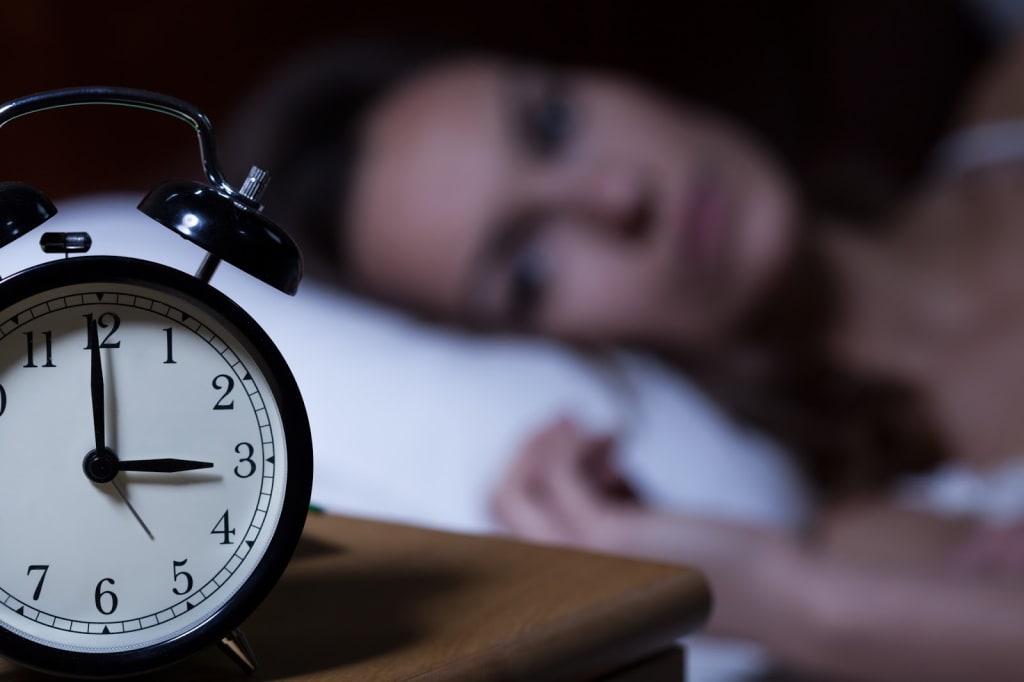
Anxiety at night is a common experience that can significantly disrupt sleep and overall well-being. Understanding its causes, symptoms, and potential treatments can help individuals manage this condition more effectively.
During the day, people often have various activities that distract them from anxious thoughts. At night, however, the quietness can amplify worries, leading to heightened anxiety as individuals lie in bed with their thoughts.
Daily stressors—such as work pressures, relationship issues, or financial concerns—can contribute to anxiety that becomes more pronounced at night. The transition to a quieter environment allows these worries to surface more intensely.
Anxiety can lead to insomnia, creating a vicious cycle where lack of sleep exacerbates anxiety levels. Conversely, anxiety disorders like generalized anxiety disorder (GAD) and panic disorder are often linked with sleep disturbances.
## Symptoms
Nighttime anxiety can manifest through various psychological and physiological symptoms:
- Psychological Symptoms: Feelings of dread or impending doom, racing thoughts, and excessive worry about future events.
- Physiological Symptoms: Increased heart rate, sweating, shortness of breath, dizziness, and muscle tension.
- Panic Attacks: Some individuals may experience nocturnal panic attacks characterized by intense fear, choking sensations, or feelings of unreality upon waking.
## Management Strategies
While nighttime anxiety can be challenging, several strategies may help alleviate symptoms:
-Establish a Sleep Routine: Maintaining consistent sleep and wake times can help regulate the body’s circadian rhythm, promoting better sleep quality.
-Mindfulness Practices: Techniques such as meditation and deep-breathing exercises can reduce anxiety levels before bed. These practices may help calm the mind and prepare the body for restful sleep.
-Writing and Planning: Journaling or creating to-do lists before bedtime can help organize thoughts and reduce worry about upcoming tasks, facilitating easier transitions into sleep.
-Professional Help: For persistent nighttime anxiety that disrupts daily life, seeking assistance from a mental health professional is crucial. Therapy options like cognitive-behavioral therapy (CBT) have proven effective in treating anxiety disorders.
##The role of melatonin
Melatonin plays a significant role in regulating sleep and may also influence nighttime anxiety.
Melatonin is a hormone produced by the pineal gland in response to darkness, helping to regulate the sleep-wake cycle. Its secretion increases at night, promoting sleepiness and facilitating the transition from wakefulness to sleep. This natural rhythm is crucial for maintaining healthy sleep patterns, and disruptions can lead to various sleep disorders.
Melatonin can improve sleep quality, which is essential for managing anxiety. Poor sleep often exacerbates anxiety symptoms, creating a vicious cycle where anxiety leads to insomnia, and insomnia heightens anxiety levels. By improving sleep, melatonin may indirectly alleviate anxiety symptoms.
Some studies suggest that melatonin may have direct anxiolytic (anxiety-reducing) properties. It has been shown to effectively reduce anxiety in specific contexts, such as preoperative settings, where it performs comparably to traditional anti-anxiety medications like benzodiazepines. This effect is thought to stem from melatonin's ability to modulate neurotransmitter systems and its antioxidant properties, which can help mitigate stress responses.
There are several natural ways to increase melatonin levels, which can help alleviate nighttime anxiety.Exposure to sunlight during the day helps your body produce serotonin, which is a precursor to melatonin. This process can enhance melatonin production at night.
Foods high in tryptophan, such as turkey, chicken, bananas, and peanuts, can boost serotonin levels, thereby increasing melatonin production.
Reducing exposure to blue light from screens (phones, TVs) in the evening can help your body produce more melatonin. This is because artificial light can inhibit melatonin production.
##Conclusion
While nighttime anxiety is a common experience that many face, understanding its symptoms and causes can empower individuals to implement effective coping strategies. With appropriate management and support, it is possible to improve both nighttime peace and overall mental healt
About the Creator
Ninfa Galeano
Journalist. Content Creator. Media Lover. Geek. LGBTQ+.
Visit eeriecast ,where you'll find anonymous horror stories from all over the world. Causing insomnia since 2023.
Keep reading
More stories from Ninfa Galeano and writers in Psyche and other communities.
Digital narcissism: What it is and how to overcome it
Digital narcissism has become a prominent phenomenon in the context of social media and the internet, characterized by individuals seeking validation and attention through their online presence. This behavior often comes at the expense of real-life relationships and responsibilities, leading to a disconnect between one's online persona and actual self. The rise of digital narcissism is particularly noticeable among younger generations, such as Millennials (Generation Y) and Generation Z, who are deeply integrated into digital technology and social media platforms.
By Ninfa Galeanoabout a year ago in Psyche
Ludacris and Nelly draw backlash over bookings at MAGA-coded music festival
Ludacris and Nelly headlining a mostly right-wing event is good for them. It’s also great for the genre of hip hop. The two rap veterans have showcased their talents on other stages. Why can’t they perform for mostly MAGA folks and grab that bag?
By Skyler Saunders4 days ago in Beat



Comments
There are no comments for this story
Be the first to respond and start the conversation.