
Addiction Causes So Many Changes To The Brain Over Time
Does it ever heal?

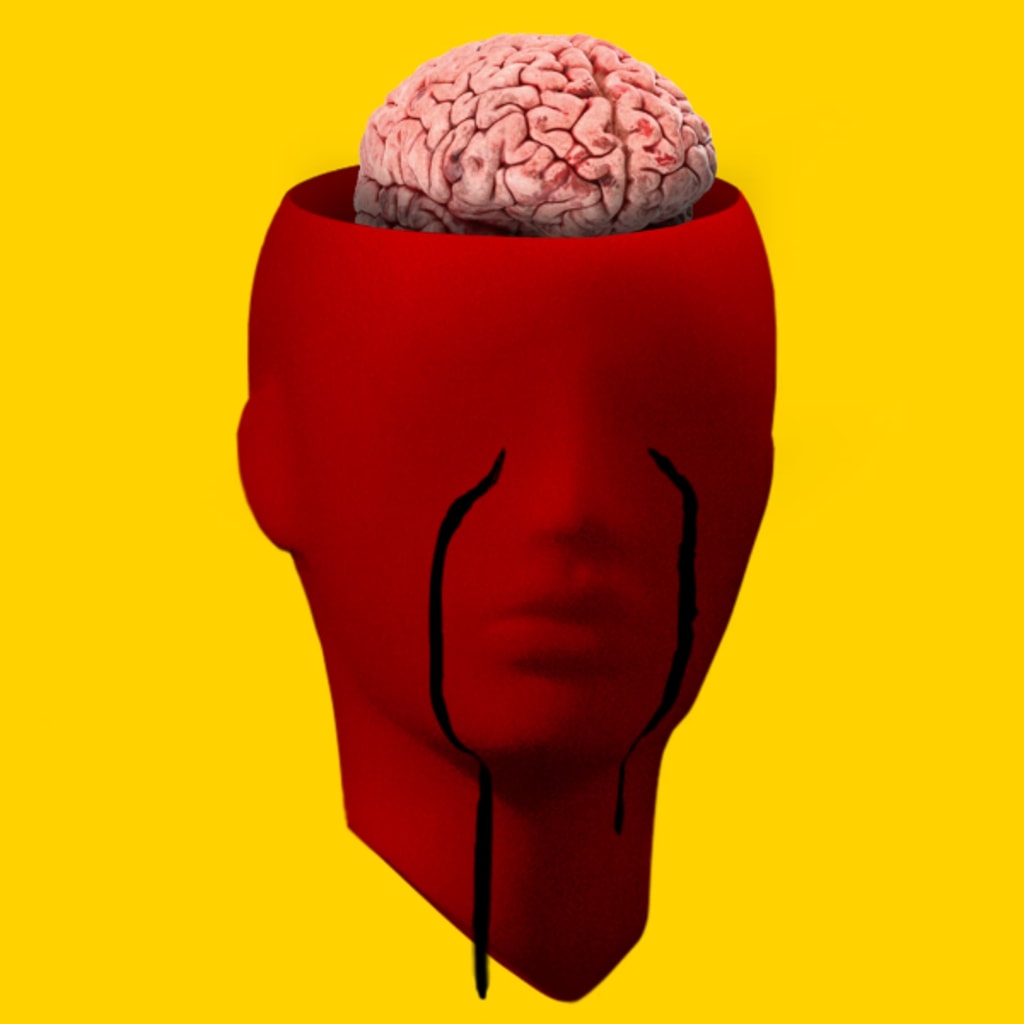
Addiction can make people turn from kind and nice people into absolute monsters. It’s the disease's fault, changing how the brain works.
In active addiction, the addict loses control over their actions and is driven by cravings for their substance of choice.
Getting their hands on their substance of choice takes priority over food, shelter, relationships, self-respect, and much more.
Maslow’s hierarchy of needs is a psychological theory that outlines a five-tier model of human motivation. It is commonly represented as a pyramid, with different levels of needs arranged hierarchically.

In active addiction, the need for the substance of choice overtakes all five needs presented in the model, making the addict behave in irrational ways that don’t make sense to a normal person.
Their brain thinks the drug of choice is essential for survival and it becomes more important than anything else.
Just like if you were on the verge of dying from thirst and the only water you could get came with dire consequences and hurt the ones you love.
When I was in active addiction I would have sold my soul for 26 ounces of vodka. It’s the only thing my brain wants when using it. My brain tells me I need it to survive, just having alcohol around will soothe my suffering.
Addiction is now seen as a chronic, progressive, complex brain disease that takes much more than willpower to break the cycle. This idea proves that addiction isn’t a moral problem or due to a lack of will. The brain is being hijacked and your disease is running the show.
When we ingest our substance of choice it activates the pleasure centers in our brain giving us feelings of euphoria at first, but it eventually just provides relief from the pain addiction caused in the first place.
A healthy brain rewards good behaviours, like learning a new skill, hanging out with friends, or doing a hard workout. These things make you feel great, encouraging you to keep doing them.
When in active addiction, the brain is so overwhelmed by the constant stimulation from drugs and alcohol that it tries to adapt and changes. Normal things I mentioned above no longer provide any rewards in the brain, or nothing compared to drugs or alcohol.
Another way addiction affects the brain is by over-activating the fear centers in the brain. While a normal brain does this for survival purposes, the brain of an addict does it for everything.
A normal brain activates when you’re in danger, it triggers fear to help you escape. If you’re tempted to do something risky, like bungee jumping or buying a Porsche, the front part of your brain helps you weigh the consequences.
When you become addicted to a substance, it disrupts the brain’s normal reward system and fear systems. Nothing provides rewards to the brain like alcohol or drugs and everything is terrifying. Kind of like an amped up version of the booze blues or the Sunday scaries.
Luckily for us, the brain is amazing at healing due to neuroplasticity.
I’m approaching the 8-week sober mark now and my brain’s award system is messed up. I feel a constant need to consume something or do something that gives me a thrill like gambling, drinking soda, smoking cigarettes, or eating junk food.
I’ve been living in fear the whole time I’ve been sober. Everything feels like a threat and my brain is constantly running scenarios where I’m in danger, trying to prove that they can’t happen. It’s just constant stress.
Additionally, repeated drug use can harm the prefrontal cortex, the part of the brain responsible for decision-making. This area ruins your ability to make rational decisions.
This is why say you shouldn’t make any big life decisions when in early sobriety because you just don’t have the capability of making rational decision. It takes a lot of time for everything to get back to normal.
According to Dr. Nora Volkow, director of NIH’s National Institute on Drug Abuse.
“When the frontal cortex isn’t working properly, people can’t make the decision to stop taking the drug — even if they realize the price of taking that drug may be extremely high, and they might lose custody of their children or end up in jail. Nonetheless, they take it.”
These factors combined mean that the person with substance use disorder feels no pleasure from healthy activities, feels an elevated sense of fear, anxiety, and irritability, becomes very impulsive, and has a reduced ability to make rational decisions.
Despite the grave consequences coming from their addiction they are unable to stop without intervention because they are unable to think or act rationally. Their brain is literally hijacked by addiction.
Doesn’t that sound like hell on earth?
Thank god for neuroplasticity which means the brain is plastic, it can change over time and heal. So abstinence can help you heal from the majority of the damage done to your brain from years of addiction.
About the Creator
Patrick Meowler
Just a dude and his dog trying to stay sober. Writing about fitness, mental health, and recovery.
Keep reading
More stories from Patrick Meowler and writers in Psyche and other communities.
Why Am I Terrified Of Everything When I Quit Drinking?
Fear and anxiety are the top two reasons I found quitting alcohol difficult. It is an experience I wouldn't wish on my worst enemy. These feelings can get so intense that it feels like the world is a hellscape, everything is a threat, and everyone hates you.
By Patrick Meowler3 years ago in Psyche
The BAFTA Awards
By now, in a stunning departure from recent years, most of the world is aware of what happened at the BAFTA film awards. Social Media Headlines will tell you the bare bones: that John Davidson, a Tourette's Syndrome advocate, shouted a racial slur at two Actors of Colour, Michael B Jordan and Delroy Lindo.
By Natasja Rose5 days ago in Psyche
International Women’s Day: the freedom not to be perfect
Today is International Women’s Day, and I’m writing this from the dining table while listening to Radio 3 Unwind. I’m sitting down with my laptop and a going-cold cup of tea, after Virginia Woolf’s famous essay A Room of One’s Own popped into my head. In it, she reflects that for a woman to write fiction, she needed two things: money and a room of her own (ideally with a door that closes). What she really meant, perhaps, was time to think and the freedom to exist inside her own mind.
By Chelsea Branchabout 11 hours ago in Psyche




Comments
There are no comments for this story
Be the first to respond and start the conversation.