

What Is an Abdominal Aortic Aneurysm (AAA)?
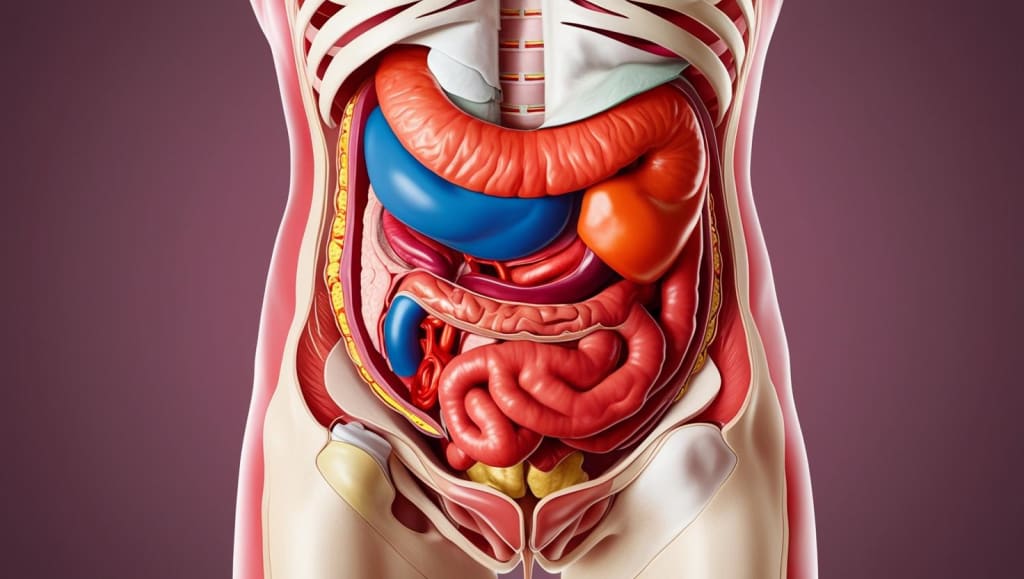
The **aorta** is the largest artery in the body, carrying oxygen-rich blood from the heart to the rest of the body. The **abdominal aorta** is the section of the aorta that runs through the abdomen, supplying blood to vital organs such as the intestines, kidneys, and lower limbs.
An **abdominal aortic aneurysm** occurs when a section of the abdominal aorta weakens and bulges out, forming a balloon-like structure. This bulging or “aneurysm” grows larger over time and, if left untreated, can eventually rupture. When an aneurysm ruptures, it causes severe internal bleeding, which can lead to death in a matter of minutes.
What makes AAA particularly dangerous is that it often develops **without symptoms**. Most people, like George, might not even know they have one until it becomes too large, or in the worst-case scenario, ruptures. Early detection is key to preventing a rupture and managing the condition.
Who Is at Risk for AAA?
George’s doctor explained that while anyone can develop an abdominal aortic aneurysm, certain **risk factors** significantly increase the chances of developing one.
**Age** is one of the primary factors—AAA is most common in individuals over the age of 65, particularly in men. In fact, men are 4-5 times more likely than women to develop an abdominal aortic aneurysm. As people age, their blood vessels naturally lose some of their elasticity, which makes the walls of the arteries more prone to weakness.
**Smoking** is another leading risk factor. Research has shown that smoking accelerates the breakdown of the aortic wall, increasing the likelihood of aneurysm formation. For individuals who smoke, the risk is significantly higher, particularly for men over 60.
**High blood pressure** and **high cholesterol** are other contributing factors. High blood pressure puts extra pressure on the walls of the arteries, including the aorta, making it more likely that an aneurysm will form. Likewise, high cholesterol can lead to plaque build-up in the arteries, weakening the vessel walls over time.
There is also a genetic component—if someone has a family history of AAA, they are more likely to develop the condition themselves. Some studies have suggested that certain **genetic mutations** can increase the likelihood of developing aneurysms, making family history an important factor to consider in risk assessment.
The Silent Nature of AAA: Why It’s So Dangerous
The most alarming aspect of AAA is that it can develop over many years, sometimes growing without presenting any noticeable symptoms. George, for example, had no idea that an aneurysm was silently forming in his abdomen, quietly putting him at risk for a life-threatening rupture.
However, there are some signs and symptoms that could indicate an abdominal aortic aneurysm. These can include:
- A **pulsating sensation** in the abdomen, often near the navel.
- **Pain in the back, sides, or lower abdomen** that comes and goes or feels constant.
- **Pain or tenderness** in the chest or groin.
In the early stages, these symptoms may not be severe, and many people simply dismiss them as something minor, such as muscle strain or indigestion. That’s why early detection through screenings, especially for those at higher risk, is crucial.
The Importance of Early Detection and Screening
For George, his **ultrasound screening** was the turning point. The test revealed that he had an **abdominal aortic aneurysm** measuring 4.5 cm in diameter—a size that warranted regular monitoring but didn’t require immediate surgery. However, the ultrasound gave George and his doctor valuable information that could save his life in the future.
Screening for AAA is recommended for men between the ages of 65 and 75, especially if they have a history of smoking. Regular screening for those at risk allows for early detection and the ability to monitor the aneurysm’s size over time.
If an aneurysm is small (less than 5 cm in diameter), it may be **monitored regularly** with imaging tests like ultrasound or CT scans. However, if the aneurysm grows larger or shows signs of rapid growth, doctors may recommend more aggressive treatments, such as surgery.
Treatment Options for Abdominal Aortic Aneurysms
Once an aneurysm is detected, the treatment approach depends on its size and rate of growth.
Monitoring Smaller Aneurysms
For aneurysms that are smaller than 5 cm, treatment may not be necessary right away. In these cases, doctors will likely recommend regular monitoring, along with lifestyle changes to manage risk factors. This includes:
- Quitting smoking
- Managing blood pressure and cholesterol
- Staying active and maintaining a healthy weight
Surgical Intervention
Surgery may be required if the aneurysm grows larger than 5.5 cm, or if it’s growing quickly. There are two primary types of surgery for AAA:
1. **Open Abdominal Surgery**: This is the traditional form of surgery, where a surgeon makes a large incision in the abdomen to remove the damaged part of the aorta and replace it with a synthetic graft. This is typically done for larger or more complicated aneurysms.
2. **Endovascular Aneurysm Repair (EVAR)**: This is a less invasive procedure in which a catheter is inserted through the groin and guided up to the aneurysm. A graft is then placed inside the aorta, reinforcing the weakened section and preventing rupture. This procedure is typically used for smaller or less complex aneurysms.
Both types of surgery carry risks, but they can significantly reduce the chances of a rupture and help patients live longer, healthier lives.
The Role of Lifestyle Changes in AAA Prevention
While surgery is a life-saving intervention, **prevention is key**. There are several lifestyle modifications that can reduce the risk of developing an abdominal aortic aneurysm or prevent an existing aneurysm from growing larger.
**Quitting smoking** is the single most important change anyone at risk can make. Smoking accelerates the breakdown of blood vessel walls and dramatically increases the likelihood of aneurysm formation.
Managing **blood pressure** and **cholesterol** levels through diet, exercise, and medication can also help reduce the strain on the arteries. A heart-healthy diet rich in fruits, vegetables, whole grains, and lean proteins can support vascular health.
Regular physical activity, such as walking or swimming, can help maintain a healthy weight and improve overall cardiovascular health. Avoiding excessive alcohol consumption and stress can also help prevent damage to the aorta.
Living with an Abdominal Aortic Aneurysm
After his initial screening and diagnosis, George made several key changes to his lifestyle. He quit smoking, began exercising more, and took his prescribed medications to manage his blood pressure. His doctor recommended that he undergo an ultrasound every six months to monitor the size of the aneurysm.
Over time, George came to understand the importance of **early detection** and **self-care**. He knew that managing his health proactively was the best way to keep his aneurysm from becoming life-threatening. Regular checkups, combined with a healthier lifestyle, gave him peace of mind.
The Silent Threat We Can’t Ignore
An abdominal aortic aneurysm is a silent risk that can often go unnoticed until it’s too late. But with regular screenings and lifestyle changes, it’s possible to live with an AAA safely. For people like George, early detection can make the difference between life and death. If you’re over 65, have a history of smoking, or have other risk factors for AAA, talk to your doctor about screening. Remember, when it comes to your health, early action is always the best defense.
About the Creator
Gabriela Tone
I’ve always had a strong interest in psychology. I’m fascinated by how the mind works, why we feel the way we do, and how our past shapes us. I enjoy reading about human behavior, emotional health, and personal growth.
Keep reading
More stories from Gabriela Tone and writers in Psyche and other communities.
The Rhythm of Little Stars
The Rhythm of Little Stars A Journey to Finding the Perfect Baby Schedule When Emma first brought baby Oliver home from the hospital, she thought she was ready. She had read the books, joined the forums, listened to every piece of advice from mothers, grandmothers, neighbors, and strangers in grocery store lines. "Sleep when the baby sleeps," they said. "Feed on demand." "Let them cry it out." "Never let them cry it out."
By Gabriela ToneExclusive • 11 months ago


Comments
There are no comments for this story
Be the first to respond and start the conversation.