
5 Ways to Cope with the Mental Health Effects of Isolation
Social distancing and high rates of unemployment mean Americans are more isolated than ever. Explore the mental health impact of this trend and how to manage it.

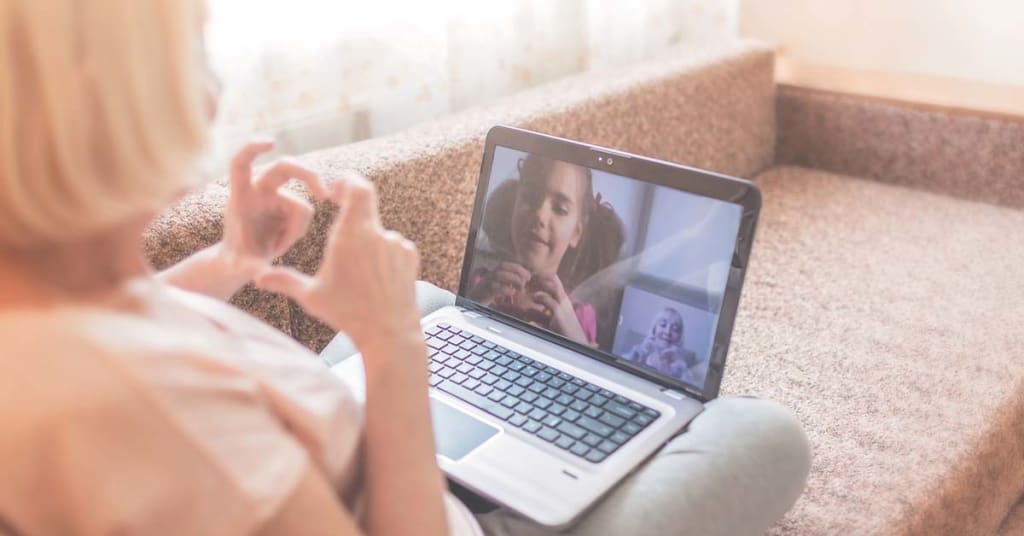
Record levels of Americans are now living and working alone. In fact, there has never been a time in the history of this country when rates of social isolation were as high—and their long-term, mental health toll as potentially far-reaching. What, then, are the mental health effects of social distancing and isolation, and what can we do to prevent them and cope with them?
How Staying Socially Connected Promotes Mental Health
Interpersonal connectedness and relationships are key to mental health and can serve as a critical buffer against stress, anxiety, depression, and suicide. Research at Stanford into "the science of social connection" has revealed that strong social connections translate into lower levels of anxiety and depression, higher self-esteem, greater empathy for others, and more trust and cooperation with others.
Social connectedness is also associated with "a 50 percent chance of longevity and a stronger immune system"—two factors closely linked with overall mental health—and "faster recovery from diseases." In the case of this last factor, we see a similar trend play out in the world of behavioral health: People who participate in peer support groups like AA and NA enjoy higher rates of recovery from drug and alcohol addiction. In other words, staying socially connected is a much better predictor of recovery than trying to go it alone.
The Mental Health Effects of Solitary Confinement
On the other hand, we know that a stark absence of social connection can be devastating for mental health, based on studies of prisoners in solitary confinement. For example, a 2003 study in the journal Crime and Delinquency found that when prisoners are deprived of normal human interactions, many suffer from anxiety, panic, insomnia, paranoia, aggression, and depression; and, subsequent studies have revealed much higher rates of mental illness and antisocial behavior among those in solitary confinement.
Mental Health Tips and Supports for Coping with Social Isolation
What are the takeaways of these findings in a pandemic, when practicing social distancing is now a measure of good citizenship?
First, we need to stay socially connected— probably more than ever before, only in different ways. Make it a priority to connect with friends and family via Facetime, Skype or other video-conferencing options. This may take some intentionality: Schedule these interactions, if you have to.
Second, find safe opportunities to thank the people who are providing you with essential services during this pandemic. Take a moment to greet and thank the Amazon delivery person while keeping a safe distance of six feet or more. Extend a word of encouragement and gratitude to the person bagging your groceries, even if you have to do so wearing a mask and standing six feet away. These small connections can brighten both of your days.
Third, as tempting as it is to indulge in an unending stream of virus-related news, don't do it! Limit your daily intake of COVID-19 headlines and find other ways to fill the void that an absence of social interaction may have created. Maybe now is the time to: tackle that list of books you've wanted to read; take a free online class to learn a new skill; develop a new hobby; or, teach yourself a musical instrument.
Fourth, carve out a daily routine. A daily schedule that includes a healthy separation between work and home, and some simple rituals that help to reinforce that separation, is good for your mental health. So are things like eating well, exercising regularly, and getting plenty of sleep. Be sure to pace yourself and take regular breaks, if you're working full-time from home.
Finally, if you begin to experience severe anxiety or other mental health symptoms, don't be ashamed to tell someone immediately, whether a friend, family member or mental health professional. Nobody is immune to the potentially debilitating effects of long-term social isolation, especially during a pandemic. Letting someone know what you're going through can seem scary because it requires vulnerability—yet that very vulnerability is what opens the door to connection, healing, and resilience in the face of loneliness and isolation.
Dr. Beau Nelson heads the Clinical Services department at FHE Health, a nationally recognized behavioral health provider treating addiction and mental health conditions. Learn more about FHE Health’s treatment programs here: https://fherehab.com/.
About the Creator
Dr. Beau Nelson
Dr. Beau Nelson is Director of Clinical Services for the national behavioral health provider FHE Health.
Keep reading
More stories from writers in Psyche and other communities.
Psychic Reading Online – Top 4 Best Live Chat Psychic Reading Sites
Uncertainty is something we all experience at different stages of life. Questions about love, career decisions, finances, family matters, or personal growth can sometimes leave us feeling overwhelmed or unsure about what direction to take next. Wanting answers and clarity during these moments is completely natural.
By Louie Bell4 days ago in Psyche
How to Succeed at the Benson Directory®
Congratulations and welcome to the Benson Directory® employee #22391! As our newest call handler, you will have the privilege of speaking with dozens of unique and interesting people on a daily basis as well as the opportunity to earn bonuses for high performance. Contained within this handbook you will find a set of ease to follow instructions designed to help you settle in to your new role and begin paving the way to success.
By S. A. Crawford2 days ago in Fiction




Comments
There are no comments for this story
Be the first to respond and start the conversation.