
5 Effective Tips to Stay Calm
When You're Stressed

Introduction
Stress has become a prevalent issue in modern life. From tight deadlines and work pressures to personal obligations, maintaining calm in a high-stress environment can be challenging. This eBook is designed for beginners looking for straightforward, actionable advice on how to stay calm. Each chapter provides one essential tip to manage stress effectively and sustain calm, with detailed explanations and practical applications.
Tip 1: Breathing Exercises

What It’s About: Deep breathing is one of the quickest ways to reduce stress because it helps regulate your nervous system and bring you back to a calm state. This chapter covers various breathing exercises that are simple and accessible anywhere.
Detailed Explanation:
Diaphragmatic Breathing: Focuses on breathing deeply from the diaphragm rather than shallow chest breathing, promoting relaxation.
Box Breathing: Involves inhaling, holding, exhaling, and pausing, each for four counts, to help manage intense stress.
Alternate Nostril Breathing: Originating from yoga, this technique calms the mind by balancing the nervous system and can be done for a few minutes daily.
Tip 2: Mindfulness and Meditation
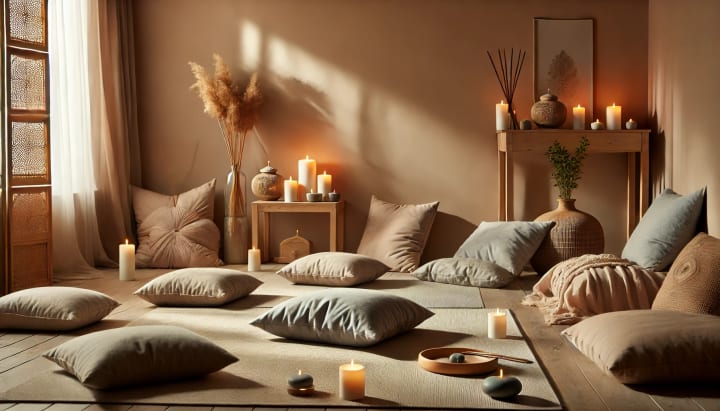
What It’s About: Mindfulness and meditation are powerful tools for staying present and calm. They allow you to observe your thoughts without judgment, reducing the intensity of stressful feelings.
Detailed Explanation:
Body Scan Meditation: Focuses on each part of the body to release tension and stay grounded.
Guided Meditation: Ideal for beginners, this type includes a voice guiding you through the practice, making it easier to relax.
Mindfulness in Daily Life: Suggestions on how to incorporate mindfulness, like focusing on one task at a time, paying attention to breath, and being fully present in each moment.
Tip 3: Physical Activity and Movement
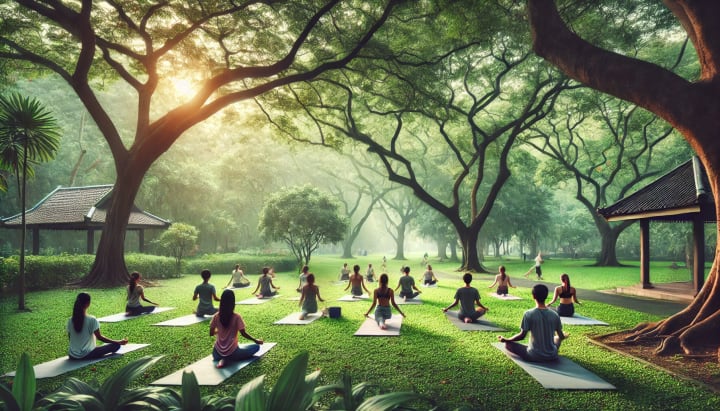
What It’s About: Physical activity is not just good for your body; it’s also essential for stress relief. This chapter discusses the impact of movement on mental well-being and how to incorporate it daily.
Detailed Explanation:
Exercise and Endorphins: Physical activity releases endorphins, the body’s natural mood lifters.
Types of Movement for Calmness: Includes yoga, walking, and light stretching—all effective and accessible ways to manage stress.
Setting Realistic Goals: Practical ways to set manageable fitness goals that promote calmness without adding more stress.
Tip 4: Prioritizing Self-Care and Rest

What It’s About: Adequate rest and self-care play a significant role in maintaining calm. This chapter covers ways to build self-care routines that support mental and emotional well-being.
Detailed Explanation:
Importance of Sleep: How proper sleep cycles reduce stress and improve focus.
Creating a Self-Care Routine: Steps to establish a simple daily routine that promotes relaxation, like a warm bath, reading, or quiet time.
Balancing Responsibilities with Self-Care: Practical advice on making time for self-care without neglecting essential tasks.
Tip 5: Positive Visualization Techniques

What It’s About: Visualization is a powerful tool that helps shift focus away from stress. This chapter explains how to use visualization techniques to maintain calm and achieve mental clarity.
Detailed Explanation:
Guided Imagery: Mentally placing oneself in a calming environment, like a beach or forest, to reduce stress.
Goal Visualization: Visualizing desired outcomes in stressful situations to foster a positive mindset.
Daily Visualization Practice: A step-by-step guide on how to incorporate visualization into your morning or evening routine for sustained calmness.
Conclusion: Building a Lifelong Practice of Calmness
Practicing calmness is a journey, not a destination. By consistently applying these five tips, you can build a life resilient to stress and rich with peace. Remember, calmness is a skill that improves with practice. This eBook aims to provide you with the foundational tools you need to get started on that journey.
About the Creator
Top tipple tricks
Been thinking a lot about drinking, lately. Not least because of a recent episode of over-indulgence and the inevitable after effects. Some readers may recall the earlier articles I wrote about beating the booze. Here I set out an experiment in techniques for cutting down on my alcohol intake. The experiment was successful, the techniques worked, and I have armed myself with an arsenal of weapons in the war against the demon drink. I have yet to fire the first round however. It's all a question of timing (perhaps procrastination).
By Raymond G. Taylor5 days ago in Psyche
Stop - Just Stop it right now
"Each one of us has lived through some devastation, some loneliness, some weather superstorm or spiritual superstorm; when we look at each other, we must say, I understand. I understand how you feel because I have been there myself. We must support each other and empathize with each other because each of us is more alike than we are unalike."
By Elizabeth Woods6 days ago in Psyche




Comments
There are no comments for this story
Be the first to respond and start the conversation.