
Zero-Waste Cocktails: Using Every Part of Your Ingredients
Sustainable sipping starts with smart mixing — learn how to craft cocktails with less waste and more creativity.

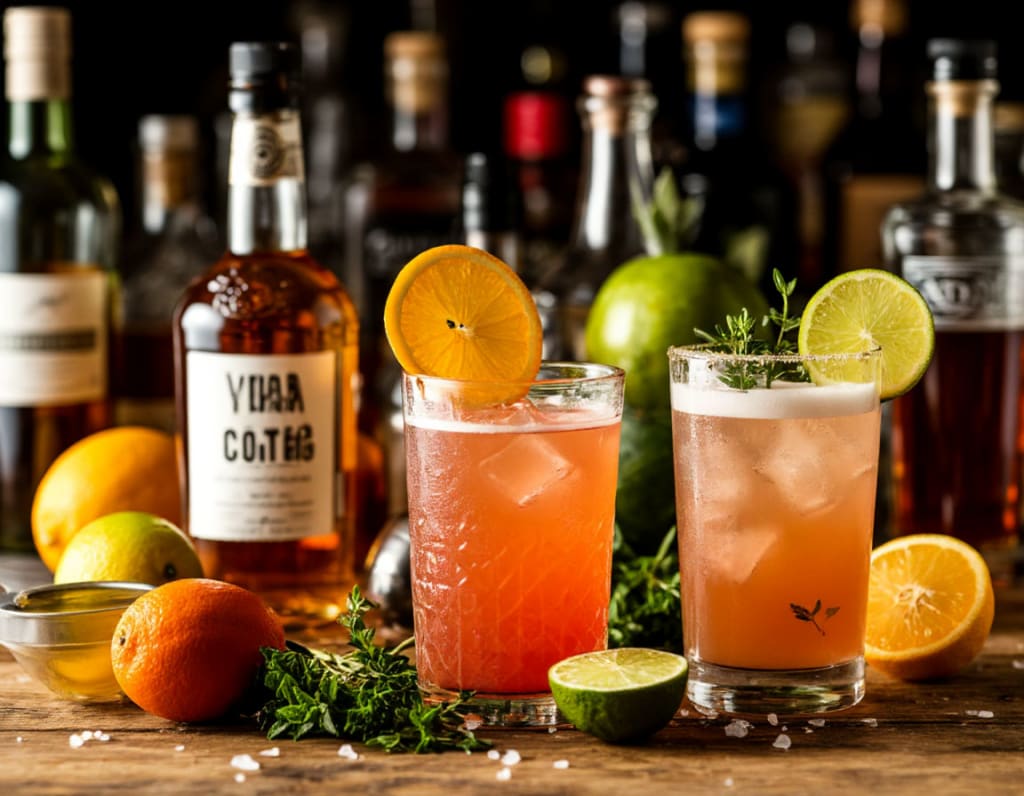
Sustainability isn’t just a buzzword in food and fashion — it’s shaking things up behind the bar, too. As more consumers become eco-conscious, bartenders and home mixologists are embracing a new philosophy: zero-waste cocktails. These aren’t just trendy drinks with a green label — they’re carefully crafted concoctions that honor every part of the ingredient, from citrus peels to herb stems.
Creating zero-waste cocktails isn’t about sacrificing flavor or fun. In fact, it’s quite the opposite. When you use the whole fruit or herb, you unlock new layers of taste, texture, and aroma that would otherwise end up in the trash. The result? More depth, less guilt.
Why Zero-Waste Mixology Matters
The bar industry is notoriously waste-heavy. From piles of squeezed citrus halves to leftover fruit garnishes and wilted herbs, a single night can create a surprising amount of garbage. In home bars, the same problem exists — you might use a lime for its juice and throw away everything else.
But what if that lime peel could become a bitter syrup? What if leftover pineapple skin became a rich, spiced cordial? Embracing zero-waste mixology helps reduce your environmental impact, saves money, and makes your cocktails stand out.
Creative Ways to Use "Scraps"
Here are some practical and delicious ideas for transforming commonly discarded ingredients into cocktail magic:
Citrus Peels → Use for oleo saccharum (a sugar-macerated syrup), infusions, or garnishes.
Herb Stems → Muddle into syrups or bitters, or use as infusers in vodka and gin.
Fruit Scraps → Turn mango pits or apple cores into simple syrup or shrub bases.
Coffee Grounds → Infuse into liqueurs or create coffee bitters.
Cucumber or Carrot Peels → Dehydrate and use as decorative garnishes.
These components carry just as much character as the more commonly used parts — sometimes even more. With a little imagination, the “waste” becomes a flavor asset.
Zero-Waste Techniques to Try
If you want to reduce your bar waste without compromising on quality, try incorporating the following techniques:
Infusions: Use leftover peels, spices, or herbs to flavor spirits. For example, grapefruit peels can add bright bitterness to vodka or tequila.
Syrups and Shrubs: Use overripe fruit or citrus remnants to make house syrups. Even wilted mint or basil can shine when boiled into sugar and water.
Dehydration: Dry out citrus slices, apple skins, or ginger to use as future garnishes or infusion material.
Oleo Saccharum: Mix citrus peels with sugar and let them rest to release oils. The resulting syrup is vibrant and aromatic — perfect for punch bowls or sours.
Want recipes that incorporate these ideas? Visit our guide to zero-waste cocktail recipes and bar hacks that help you turn scraps into stars.
Flavor Without Footprint
One of the most exciting things about zero-waste cocktails is the range of flavors you can achieve. Citrus peels are zesty and bitter, herb stems can be surprisingly floral, and fruit pulp brings rich body to syrups. Rather than thinking of these parts as leftovers, treat them as secret ingredients — the kind that make your drinks memorable.
You’re not just mixing a cocktail; you’re telling a story of respect for the ingredient and a new level of craft. It’s a way to elevate your home bartending game while doing something good for the planet.
Tips for Success
Plan Ahead: If you’re making juice, set aside the peels for infusions or garnishes.
Label Everything: Homemade syrups, infusions, and cordials are easy to forget. Use labels and dates to track your creations.
Batch and Freeze: Not ready to use your scraps immediately? Freeze them for later use in syrups or as flavor ice cubes.
Get Creative: There are no strict rules. Try combining unlikely scraps — like beet peels with rosemary stems — for custom bitters.
Mix Smarter, Drink Better
Zero-waste cocktails aren't just about eco-trends — they’re about making the most of every ingredient. With a little thought and experimentation, you can create drinks that are not only flavorful and fresh, but also environmentally mindful. And when you realize how much beauty lies in what’s usually thrown away, your entire approach to mixology changes.
So next time you're crafting a cocktail, look at what’s left on the cutting board — and imagine what it could become.
About the Creator
Ethan Chen
Cocktail chemist and author, known for his scientific approach to mixology. He combines molecular gastronomy with traditional cocktail techniques to create unique drinking experiences.
Keep reading
More stories from Ethan Chen and writers in Proof and other communities.
The Science of Sour
Sourness is one of the most essential elements in cocktail creation. Without acidity, drinks often fall flat—overly sweet, heavy, or unbalanced. And when it comes to acidity, lemons and limes are the bartenders’ top choices. But while they may seem interchangeable at first glance, the science and flavor behind each citrus fruit reveal a world of difference that can transform a cocktail.
By Ethan Chen9 months ago in Proof
The Bottle I Was Afraid to Open
I am not a whiskey person. In fact, I’m barely an alcohol person at all. I might have a drink once or twice a year—usually at a wedding, a holiday dinner, or when someone insists I “at least try it.” Even then, I’m the person who nurses the same glass for an hour while everyone else orders a second round.
By Jhon smith4 days ago in Proof
At Will
Section 1 Pollen and the bright sun anesthetized color - muting almost every color to its equivalent shade in pastels. James stood by the window of his apartment at Bayside Village, adjusting his tie and checking the time - it was 8:30 AM. On his phone, a message from the Recruiting Agency, Eastridge. Cassie assured him that the partners at Sidley Austin, a corporate law firm, had asked for him by name - which never happened so he should be excited. It was a request that had never occurred in his ten years as a paralegal, a sudden, specific gravity pulling him into their orbit.
By James L. Royer3 days ago in Proof


Comments
There are no comments for this story
Be the first to respond and start the conversation.