
Why Some Cocktails Warm You Up and Others Refresh
The science (and psychology) behind the emotional effects of your favorite drinks


Warm cocktails (like mulled wine, Irish coffee, or Hot Buttered Rum) physically raise your internal temperature. But even room-temperature or cold drinks — like a Manhattan or a rich Old Fashioned — can deliver a warming sensation due to higher alcohol content, spice-forward ingredients, and full-bodied flavors. These components stimulate blood flow, create a sense of richness, and trigger emotional associations with comfort and relaxation.
Refreshing cocktails, by contrast, tend to rely on acidity (think lime, lemon, or grapefruit), effervescence (club soda, tonic, sparkling wine), fresh herbs (mint, basil), and lighter spirits like vodka, gin, or white rum. These elements stimulate salivation, awaken your palate, and create a cooling effect both physically and psychologically.
Alcohol Strength and the Warmth Effect
Stronger drinks generally feel “warmer.” Spirits like bourbon, rye, or aged rum are common bases for winter cocktails because of their high ABV (alcohol by volume) and deep flavor profiles. Alcohol itself is a vasodilator, meaning it causes your blood vessels to expand, producing a sensation of internal warmth.
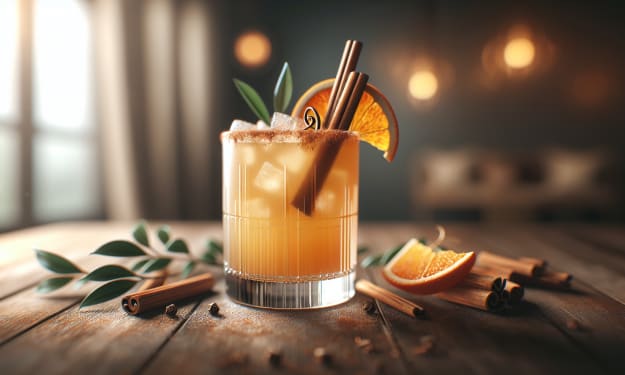
That’s why drinks like the Negroni, Sazerac, or Boulevardier — even when served chilled — still give off cozy, warming vibes. Add in spicy bitters, clove, cinnamon, or dark liqueurs, and you have a cocktail that wraps around your senses like a wool blanket.
The Role of Acidity, Herbs, and Bubbles
Refreshing cocktails take a completely different approach. They’re bright, crisp, and aromatic, designed to revive rather than relax. Ingredients like citrus juice add sharp acidity, which stimulates the mouth and makes the drink feel lively and thirst-quenching.
Herbs like mint or basil add green, cooling aromas, while carbonated elements — from tonic to Prosecco — create a fizzy texture that enhances the refreshing effect. Even the glassware matters: tall, ice-filled glasses dissipate heat quickly and feel cooler in the hand, enhancing the overall perception.
Emotional and Cultural Associations
It’s not all chemistry. Our experience of a cocktail is deeply tied to context. A rum punch might evoke beach vacations and summer nights, even if it’s technically warming. A spiced cider may transport us to holiday memories and snowy evenings.
Cocktail choices often follow seasonal cues. In colder months, we gravitate toward “warming” flavors: baking spices, molasses, brown spirits. In warmer weather, we crave something light and crisp — cucumber, citrus, or berries.
Understanding these patterns can help bartenders and home mixologists craft drinks that match not just the weather, but the mood.
Making the Right Choice for the Moment
Want to warm up your guests on a chilly evening? Reach for ingredients like:
Brown spirits (bourbon, brandy, aged rum)
Baking spices (clove, cinnamon, star anise)
Full-bodied liqueurs (amaro, coffee, herbal)
Rich textures (cream, egg, hot infusions)
Need to cool things down and refresh? Try:
Light spirits (gin, vodka, blanco tequila)
Fresh citrus and tropical fruits
Sparkling elements (tonic, soda, sparkling wine)
Herbs and floral notes (mint, lavender, hibiscus)
You can even play with contrast — like combining spicy chili tincture with cooling cucumber or mixing ginger syrup into a bubbly Collins-style drink.
Looking for perfectly balanced recipes for any season? Check out our seasonal cocktail collection featuring drinks designed to either warm the soul or refresh the senses.
Temperature Is Just the Beginning
Cocktails are emotional. They’re as much about feeling as flavor. Whether you're looking to feel comforted, uplifted, energized, or relaxed, the right cocktail can deliver that sensation — not just through its ingredients, but through aroma, texture, and association.
So the next time you craft a drink, think beyond cold or hot. Ask yourself: Do I want to refresh or embrace? That answer might lead you to the perfect pour.
About the Creator
Ethan Chen
Cocktail chemist and author, known for his scientific approach to mixology. He combines molecular gastronomy with traditional cocktail techniques to create unique drinking experiences.
Keep reading
More stories from Ethan Chen and writers in Proof and other communities.
Balkan Spirits in the Glass: Rakija, Slivovitz & More
The Balkans are known for their rich traditions, vibrant cultures, and hearty hospitality — but one of the region’s most enduring treasures is its array of distinctive fruit brandies and spirits. From Serbia to Bulgaria, Croatia to North Macedonia, local distillates like rakija, slivovitz, komovica, and loza have long been a symbol of celebration, community, and family legacy.
By Ethan Chen9 months ago in Proof
Cosmic Cocktails: Galaxy-Inspired Drinks to Dazzle Your Night
When it comes to cocktails, sometimes you want to shoot for the stars—literally. Galaxy cocktails have taken the bar scene by storm, dazzling drinkers with shimmering colors, swirling patterns, and out-of-this-world flavors. These cosmic cocktails look like they were plucked from a nebula, glowing softly with iridescent hues that shift from deep purples to electric blues and shimmering silvers. They’re the perfect drinks for anyone who wants to add a little magic and mystery to their night.
By Vivian Chen4 days ago in Proof
Spiced Cocktails to Warm Your Winter Nights
Winter calls for drinks that wrap you up like a cozy blanket. Spiced cocktails, with their rich aromas and warm flavors, are the perfect remedy for chilly evenings. Imagine the scent of cinnamon, clove, nutmeg, and allspice swirling in your glass, teasing your senses before the first sip. These spices don’t just add flavor — they bring a comforting warmth that feels like a hug from the inside out.
By Marcus Petrov6 days ago in Proof
Flower Bloom 369
FLOWER Bloom 2/25/26 Wednesday By Mariann Carroll Karen had been with Tony for 7 years. Tony started acting strangely after her surgery. He would mow the lawn in the rain and be on his cellphone. He started pushing Karen away. Tony came clean about seeing someone. Karen moved out two months later. Karen moved in with a friend. She felt betrayed.
By Mariann Carroll7 days ago in Fiction



Comments
There are no comments for this story
Be the first to respond and start the conversation.