
Why Low-Waste Cocktails Are the Future of Bartending
From peels to pulp, bartenders are turning scraps into sips — and redefining sustainable mixology

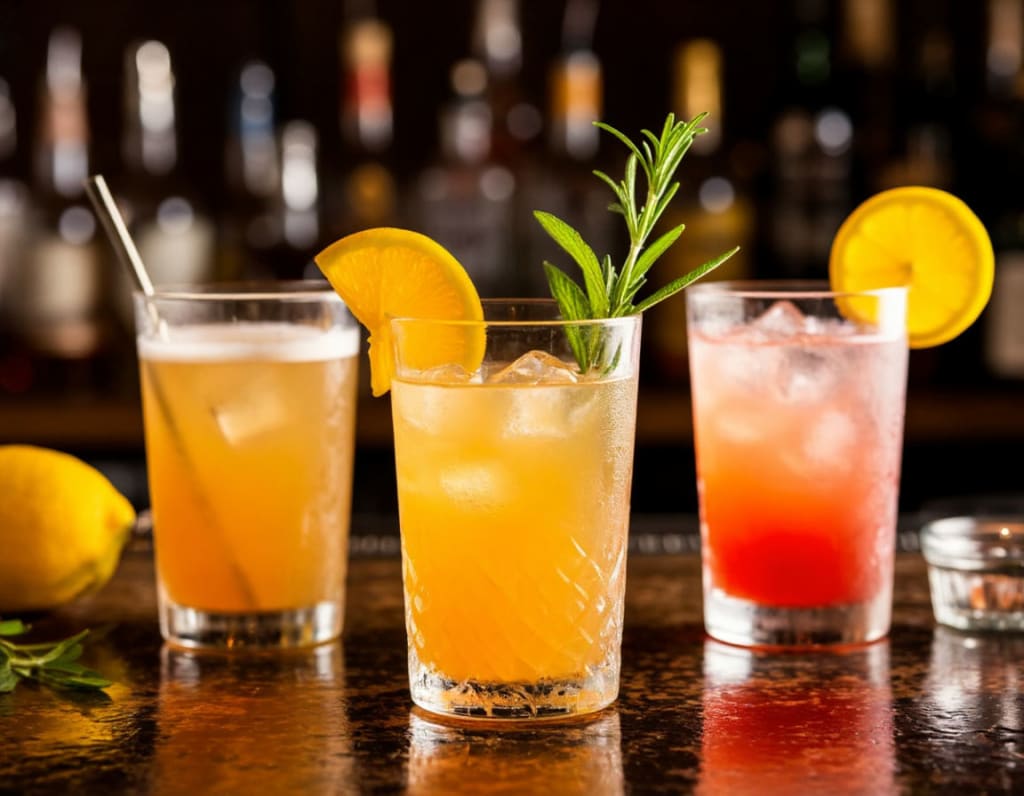
As climate consciousness grows across the food and beverage industry, bartenders are stepping up to create drinks that are not only delicious but environmentally responsible. Enter the low-waste cocktail: a modern movement that transforms kitchen scraps and by-products into flavorful, inventive ingredients behind the bar.
Gone are the days when sustainability was considered a niche concern. Today, it’s a defining value — especially among a new generation of bartenders and cocktail lovers. Low-waste mixology blends creativity with mindfulness, proving that what once went in the trash can now become a show-stopping garnish, syrup, or infusion.
The Problem with Traditional Cocktail Culture
Think about how many lemons, limes, and herbs a busy bar burns through each night. Most of the time, only the juice or a small peel gets used, while the rest is discarded. Single-use plastics, disposable straws, and inefficient prep methods all add up, contributing to significant waste in the industry.
Low-waste cocktails aim to flip this narrative by reimagining ingredients and reducing the environmental footprint of each drink.
From Trash to Treasure: Repurposing Ingredients
Low-waste bartending begins with a shift in mindset — seeing ingredients not just for what they are, but what they could become. For example:
Citrus peels can be candied, infused into syrups, or used in oleo-saccharum (a sugar-based extract packed with citrus oils).
Aquafaba (the liquid from canned chickpeas) can replace egg whites in sours for a vegan-friendly, waste-free foam.
Overripe fruit? Blend it into shrubs, syrups, or purees.
Spent herbs and stems? Don’t toss them — turn them into tinctures or savory garnishes.
This approach doesn’t sacrifice flavor. In fact, it often enhances it. Repurposed ingredients add complexity and character, making drinks not only more sustainable, but more memorable.
Sustainable Tools and Practices
Beyond ingredients, low-waste bartending includes tools and workflow changes. Bars are swapping out single-use plastics for reusable or biodegradable alternatives. Water-efficient cleaning systems and batch-prepping also help minimize waste.
For home bartenders, this can mean investing in a few reusable straws, using citrus peels mindfully, or making your own syrups and infusions instead of buying bottled mixers.
The Role of Local and Seasonal Sourcing
Low-waste cocktails also encourage seasonality and locality. Using fruits, herbs, and spirits that are in-season and regionally available reduces the carbon footprint of transport and supports local producers. A strawberry-rhubarb spritz in spring or a spiced pear sour in fall feels natural — and is a smart sustainable choice.
You can explore how seasonal thinking influences modern drink-making by checking out our curated sustainable cocktail recipe collection. It’s a great starting point for anyone looking to create impressive, low-impact drinks.
Consumer Demand Is Driving the Shift
More than ever, guests are asking how their food and drinks are sourced and made. Conscious consumption is trending, and bars that offer low-waste cocktails stand out. It’s not just good ethics — it’s good business.
Many leading bars now include eco-friendly drinks on their menus, often proudly highlighting the origin of ingredients or the story behind a sustainable twist.
Small Steps, Big Impact
You don’t need to overhaul your entire home bar to start making low-waste cocktails. Begin with one change — repurpose citrus peels, compost spent fruit, or make a syrup from leftover herbs. Over time, these habits become second nature.
Low-waste mixology isn’t a passing fad — it’s the future of bartending. It respects the planet, inspires innovation, and challenges us to think differently about flavor. So next time you shake up a drink, ask yourself: what can I save, and how can I make it shine?
About the Creator
Sofia Mertinezz
A renowned cocktail mixologist and the owner of a popular speakeasy-style bar in the French Quarter. Her innovative approach to classic cocktails has earned her a loyal following.
Keep reading
More stories from Sofia Mertinezz and writers in Proof and other communities.
Retro-Inspired Cocktails Making a Modern Comeback
Trends may come and go, but some flavors are simply timeless. In today’s cocktail renaissance, retro-inspired drinks are finding their way back onto modern menus — often with a creative twist. From mid-century staples to speakeasy favorites, the cocktails your grandparents sipped are now the darlings of a new generation of drinkers.
By Sofia Mertinezz9 months ago in Proof
Cryptocurrency Explained: Pros and Cons of Investing – A Guide by Topwaynews
Cryptocurrency has become one of the most talked-about financial innovations of the modern era. Over the past decade, digital currencies have transformed the way people think about money, online transactions, and investments. From individual investors to major financial institutions, interest in cryptocurrency continues to grow worldwide. However, before investing in digital assets, it is important to understand how cryptocurrencies work and what benefits and risks they carry. This guide by Topwaynews explains the basics of cryptocurrency along with its major advantages and disadvantages for investors.
By Pink salt wallabout 7 hours ago in Proof
The Bottle I Was Afraid to Open
I am not a whiskey person. In fact, I’m barely an alcohol person at all. I might have a drink once or twice a year—usually at a wedding, a holiday dinner, or when someone insists I “at least try it.” Even then, I’m the person who nurses the same glass for an hour while everyone else orders a second round.
By Jhon smith7 days ago in Proof


Comments
There are no comments for this story
Be the first to respond and start the conversation.