
Turkish Raki in Cocktails: Surprising Combinations
Reimagining tradition with bold, aromatic pairings

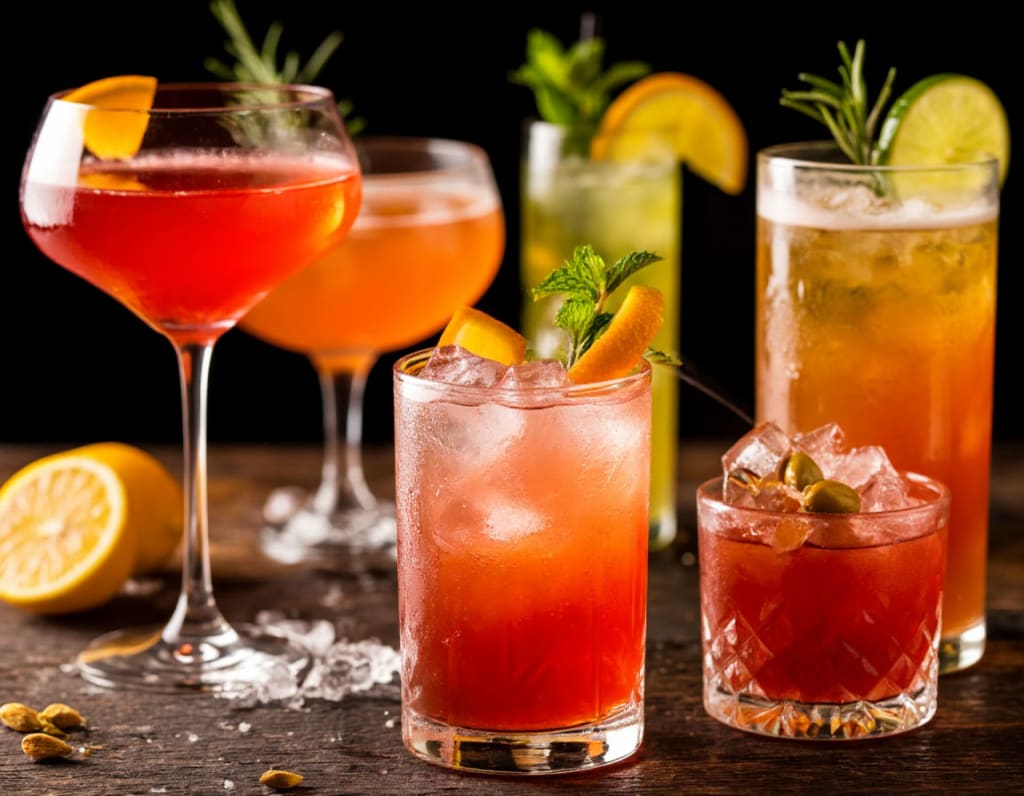
When you think of Turkish raki, you likely picture long dinners filled with meze, laughter, and slow sipping. Known as “lion’s milk” for its milky appearance when diluted with water, raki is an anise-flavored spirit deeply woven into Turkish culture. Traditionally consumed neat with chilled water and food, it’s rarely associated with modern mixology — but that’s beginning to change.
As bartenders explore new flavor territories, raki is stepping out of its classic role and making unexpected appearances in cocktails. With its bold herbal profile, it offers a unique twist on familiar formulas and opens up an exciting world of Mediterranean-inspired drinks.
What Is Raki?
Turkish raki is a distilled spirit made primarily from grapes or raisins and flavored with aniseed, similar to pastis or ouzo. It typically contains 40–50% alcohol and has a strong, licorice-like taste. When mixed with water or ice, it turns cloudy white — a transformation that has become its visual signature.
While it’s historically served alongside long meals — often with seafood, cheese, and melon — raki’s intense flavor also makes it a bold choice for cocktail experimentation.
Why Raki Works in Cocktails
You might think raki’s strong anise character would overpower a drink, but in the right combinations, it acts as a flavor enhancer, adding depth and complexity. Much like how bartenders use absinthe or sambuca in trace amounts, raki can bring floral and herbal accents that complement citrus, fruit, and spice.
Its Mediterranean roots also pair beautifully with regional ingredients: pomegranate, mint, sumac, orange blossom, rosewater, or even yogurt-based syrups can harmonize with its profile. The key is balance and restraint — a little raki goes a long way.
Surprising Cocktail Combinations to Try
1. Raki Mojito
Swap rum for raki, and muddle fresh mint with lime and simple syrup. Add crushed ice and a splash of soda. The result? A cool, herbal refresher with a subtle licorice edge.
2. Anatolian Mule
Use raki instead of vodka in a Moscow Mule, mixing it with fresh ginger, lime juice, and a touch of honey. Serve over ice in a copper mug. The ginger and anise play surprisingly well together, giving the drink warmth and spice.
3. Raki Negroni
Combine equal parts raki, Campari, and sweet vermouth. Stir over ice and garnish with an orange peel. This bold reinterpretation delivers bitter, herbal, and citrus notes in perfect harmony.
4. Mediterranean Sour
Shake raki with lemon juice, egg white (or aquafaba), and a touch of fig syrup. Strain into a coupe glass and top with a few dashes of bitters. The rich texture and fruit-forward elements balance out the strong herbal base.
Looking for more ways to use regional spirits like raki in modern cocktails? Our Mediterranean cocktail guide features dozens of unique recipes that blend old-world tradition with new-world creativity.
Raki and the Rise of Local Spirits
The resurgence of interest in local and traditional spirits is a major trend in global bartending. Turkish raki fits right into this movement, offering a story-rich, culturally rooted spirit that can be adapted to a wide range of drinks.
In Turkey, a new generation of bartenders is already leading the charge, creating signature cocktails that highlight local ingredients while staying true to raki’s heritage. It’s a spirit of identity — but also of reinvention.
Tradition Meets Innovation
Turkish raki may never fully leave the dinner table — and perhaps it shouldn’t. Its role in Turkish hospitality is part of its magic. But when treated with care and creativity, raki can also find a home in the cocktail shaker. Whether you're looking to surprise guests, add complexity to your drinks, or simply try something new, raki is a bold and unforgettable choice.
So the next time you see that frosted bottle on the shelf, don’t just think of it as an accompaniment to meze. Think of it as an opportunity — a chance to explore the meeting point between centuries-old tradition and cutting-edge mixology.
About the Creator
Ava Mitchell
Spirits writer and editor, focusing on cocktail culture and trends.
Keep reading
More stories from Ava Mitchell and writers in Proof and other communities.
Whiskey Beyond Scotland: Japan, India & Taiwan Rising
For centuries, Scotland was the undisputed capital of whiskey — its name practically synonymous with the spirit itself. But in the last two decades, new players from the East have begun redefining what whiskey can be. Japan, India, and Taiwan have all emerged as serious contenders in the world of distilled excellence, each bringing a distinct terroir, philosophy, and innovation to the global whiskey scene.
By Ava Mitchell9 months ago in Proof
Cosmic Cocktails: Galaxy-Inspired Drinks to Dazzle Your Night
When it comes to cocktails, sometimes you want to shoot for the stars—literally. Galaxy cocktails have taken the bar scene by storm, dazzling drinkers with shimmering colors, swirling patterns, and out-of-this-world flavors. These cosmic cocktails look like they were plucked from a nebula, glowing softly with iridescent hues that shift from deep purples to electric blues and shimmering silvers. They’re the perfect drinks for anyone who wants to add a little magic and mystery to their night.
By Vivian Chen7 days ago in Proof
The Bottle I Was Afraid to Open
I am not a whiskey person. In fact, I’m barely an alcohol person at all. I might have a drink once or twice a year—usually at a wedding, a holiday dinner, or when someone insists I “at least try it.” Even then, I’m the person who nurses the same glass for an hour while everyone else orders a second round.
By Jhon smith3 days ago in Proof
Guard Your Battery
Why are some people so attractive just by standing there? It’s not because they are "likable," but because they don’t need everyone to like them. I realized later that truly charismatic people allow themselves to be criticized, but they never criticize themselves. They never try to please the world; instead, the world stops to watch them.
By Emily Chan - Life and love sharing4 days ago in Poets




Comments
There are no comments for this story
Be the first to respond and start the conversation.