
Top Food Packaging Innovations Set to Impact 2025
Innovative Trends Shaping the Future of Food Packaging in 2025
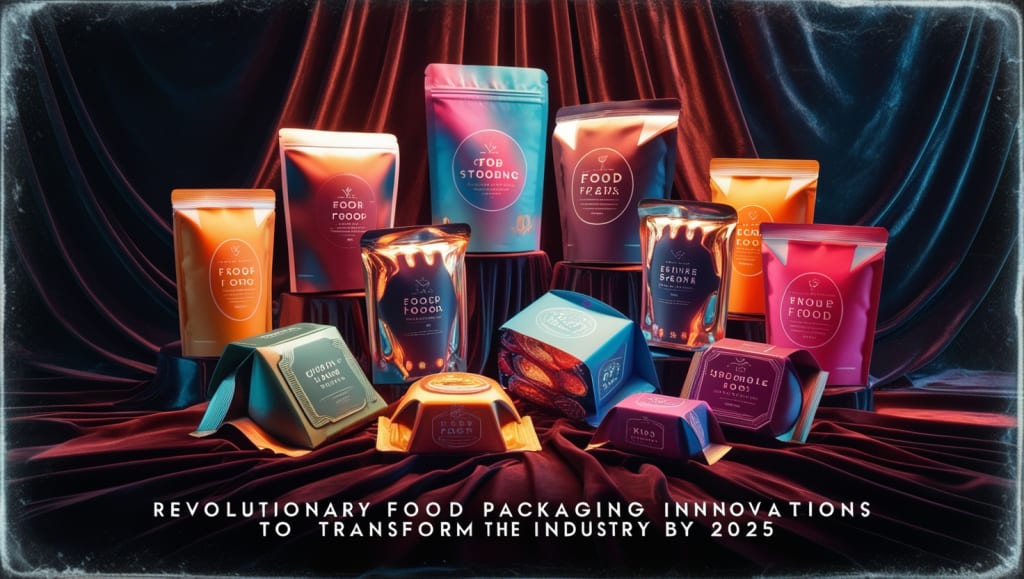
As we approach 2025, the food packaging industry is on the brink of a revolution. With advancements in technology, sustainability, and consumer preferences shaping the landscape, businesses must stay ahead of these trends to remain competitive. In this article, we will explore the top food packaging innovations that are poised to make a significant impact in 2025 and beyond.
1. Sustainable Materials
One of the most significant trends in food packaging is the shift toward sustainable materials. As consumers become more environmentally conscious, brands are responding by using biodegradable, compostable, and recyclable materials. Innovations such as plant-based plastics and algae-based packaging are gaining traction, offering alternatives to traditional petroleum-based materials.
Benefits of Sustainable Packaging
Reduced Environmental Impact: Sustainable materials decrease landfill waste and lower carbon footprints.
Consumer Appeal: Eco-friendly packaging resonates with a growing demographic that prioritizes sustainability.
Regulatory Compliance: Many regions are implementing stricter regulations on plastic use, making sustainable packaging a necessary investment.
2. Smart Packaging Technology
Smart packaging is transforming the way we interact with food products. By incorporating sensors, QR codes, and NFC technology, brands can provide consumers with real-time information about freshness, nutritional content, and origin. This technology enhances the customer experience and builds trust between brands and consumers.

Key Features of Smart Packaging
Freshness Indicators: Sensors can monitor the condition of the food, alerting consumers when it’s no longer safe to eat.
Traceability: Smart packaging can offer detailed information about the product’s journey from farm to table, promoting transparency.
Engagement: QR codes and mobile integration allow brands to connect with consumers directly, offering recipes, promotions, and product information.
3. Minimalist Packaging Design
In recent years, minimalist packaging design has emerged as a powerful trend. Clean, simple designs not only enhance shelf appeal but also reflect a brand’s commitment to quality. In 2025, we can expect to see more brands adopting minimalistic aesthetics, focusing on essential information and reducing unnecessary waste.
Advantages of Minimalist Design
Enhanced Brand Identity: A minimalist approach helps brands stand out in a crowded market.
Cost Efficiency: Reduced material usage translates to lower production costs.
Consumer Preference: Many consumers are drawn to straightforward, uncluttered packaging that conveys transparency.
4. Edible Packaging
One of the most innovative ideas in food packaging is the development of edible packaging. Made from natural ingredients, edible food packaging can reduce waste and offer an additional layer of flavor or nutrition. Companies are experimenting with materials like seaweed, rice paper, and other organic compounds to create functional and tasty alternatives.
The Future of Edible Packaging
Waste Reduction: By consuming the packaging along with the product, waste is significantly minimized.
Novelty Factor: Edible packaging creates a unique experience, attracting adventurous consumers.
Nutritional Benefits: Brands can infuse edible packaging with vitamins or other health benefits, enhancing the overall product.
5. Active Packaging Solutions
Active packaging technology goes beyond traditional roles by interacting with the food inside. This type of packaging can release preservatives, absorb moisture, or control gas levels to extend shelf life and maintain food quality. As the demand for longer-lasting, fresher products increases, active packaging solutions are expected to gain popularity.

Key Benefits of Active Packaging
Extended Shelf Life: Active packaging can significantly reduce spoilage, benefiting both consumers and retailers.
Enhanced Safety: By maintaining optimal conditions, the risk of foodborne illnesses is lowered.
Cost Savings: Reducing waste translates to lower costs for both producers and consumers.
6. Personalized Packaging
As personalization becomes a key driver in consumer behavior, brands are exploring customized packaging solutions. This can include packaging that reflects the buyer’s preferences, dietary needs, or even interactive elements that engage the consumer on a personal level. In 2025, we expect to see advancements in digital printing technology that allow for on-demand, personalized packaging.
Advantages of Personalized Packaging
Consumer Loyalty: Personalized experiences foster stronger connections between brands and consumers.
Targeted Marketing: Custom packaging can convey tailored messages that resonate with specific consumer segments.
Increased Sales: Unique, personalized packaging can drive impulse purchases and enhance brand recognition.
7. Innovative Barrier Technologies
Advancements in barrier technologies are critical for protecting food products from external elements. Innovations in nanotechnology and multilayered packaging materials are enhancing the ability of packaging to keep out moisture, oxygen, and light, thus preserving the quality and extending the shelf life of products.
Importance of Barrier Technologies
Quality Preservation: Superior barriers ensure that food maintains its taste, texture, and nutritional value.
Reduced Waste: Longer shelf life means less food waste, benefiting both the environment and the economy.
Market Differentiation: Brands can position themselves as quality leaders through superior packaging solutions.
Conclusion
As we move into 2025, the food packaging industry is set to undergo transformative changes. Sustainable materials, smart technology, minimalist design, edible packaging, active solutions, personalized experiences, and innovative barrier technologies are just a few of the innovations that will redefine how we package and consume food. Brands that adapt to these trends will not only enhance their market presence but also contribute to a more sustainable and consumer-focused future. Staying informed and responsive to these changes will be crucial for success in the evolving landscape of food packaging.
About the Creator
Keep reading
More stories from chris wide and writers in Proof and other communities.
Top 10 Delicious Kosher Foods You Must Try
Kosher foods beautifully blend tradition, culture, and flavor, rooted in Jewish dietary laws known as kashrut. These dishes are not only enjoyed by those who observe these laws but also appeal to food enthusiasts seeking diverse culinary experiences. In this article, we’ll highlight ten delicious kosher foods you absolutely must try, showcasing their rich heritage and unique tastes.
By chris wideabout a year ago in Serve
Cosmic Cocktails: Galaxy-Inspired Drinks to Dazzle Your Night
When it comes to cocktails, sometimes you want to shoot for the stars—literally. Galaxy cocktails have taken the bar scene by storm, dazzling drinkers with shimmering colors, swirling patterns, and out-of-this-world flavors. These cosmic cocktails look like they were plucked from a nebula, glowing softly with iridescent hues that shift from deep purples to electric blues and shimmering silvers. They’re the perfect drinks for anyone who wants to add a little magic and mystery to their night.
By Vivian Chen4 days ago in Proof
The Bottle I Was Afraid to Open
I am not a whiskey person. In fact, I’m barely an alcohol person at all. I might have a drink once or twice a year—usually at a wedding, a holiday dinner, or when someone insists I “at least try it.” Even then, I’m the person who nurses the same glass for an hour while everyone else orders a second round.
By Jhon smithabout 7 hours ago in Proof
Review of 'Man on the Run'
My wife and I saw Man on the Run, a nearly 2-hour documentary on Amazon Prime, about Wings, Paul McCartney's group that flew around the world from shortly after The Beatles broke up in early 1970 to shortly after John Lennon was murdered at the end of 1980, making a Beatles reunion forever impossible.
By Paul Levinson5 days ago in Beat



Comments
There are no comments for this story
Be the first to respond and start the conversation.