
The Rise of Sober Status Symbols in the Food and Beverage World
A New Era of Indulgence
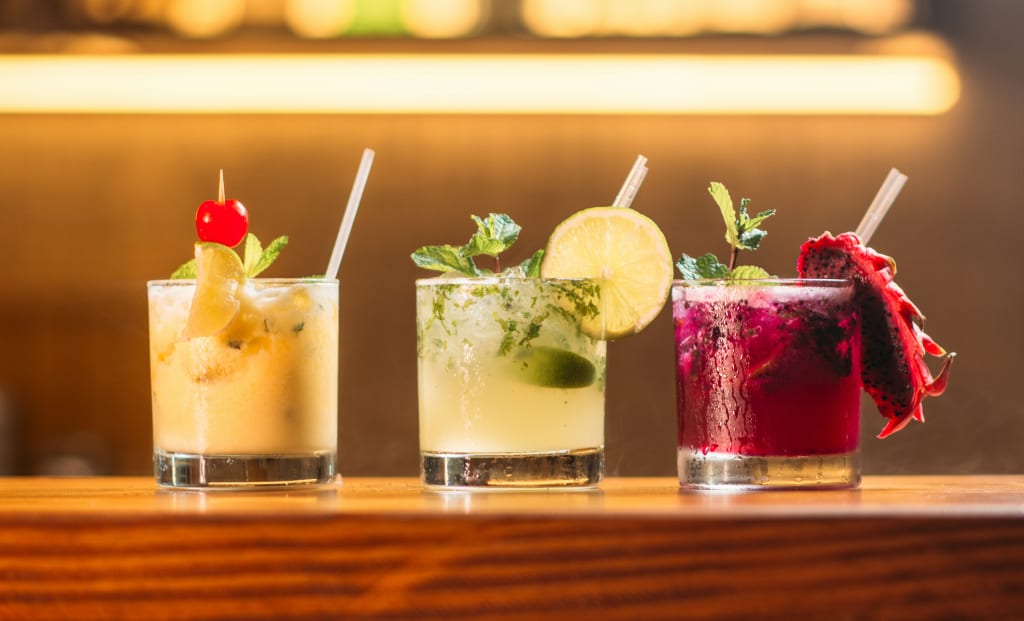
A new wave is redefining contemporary food and beverage culture. Previously relegated to the sidelines, non-alcoholic drinks now have the spotlight and are increasingly becoming popular. Zero-proof menus are expanding, and mocktails are revered as much as their alcoholic counterparts. Choosing sober drinks is no longer seen as giving something up; it’s a lifestyle choice.
What’s more, it’s no longer just about the beverages themselves; consumers are looking for brands that embody what they stand for. As more people adopt lifestyles focused on mindfulness, discipline, balance, wellness, and even luxury, sober drinks are gaining traction because they’re seen to reflect those same values. As a result, non-alcoholic drinks have also evolved into symbols of success, sophistication, and a higher social standing.
Sobriety Has Evolved from Being a Sign of Restraint into a Lifestyle
Although the sobriety movement feels exciting and new, it’s been here a while. As far back as the 19th century, movements like teetotalism, the total avoidance of alcohol, came up. These movements were linked to religious and moral reform, often employed during rehabilitation following addiction. Today, the world is witnessing another social transformation called the ‘sober curious’ movement, which is driven solely by mindful choice.
The sober movement is rooted in lifestyle choices, where individuals opt to avoid alcohol entirely in pursuit of mental and physical wellness. Young adults, in particular, are reexamining societal norms and the place that alcohol holds in their lives. Consequently, they are drinking less in pursuit of better sleep, improved mental clarity, fitness, and more purposeful consumption, rather than drinking out of routine or social pressure. This cultural shift has positioned sobriety as a positive, holistic lifestyle choice, not just an exercise in restraint.
Just like veganism was born out of personal conviction and a pursuit of wellness, zero or low alcohol consumption reflects an individual’s self-awareness and conscious commitment to self-care. It’s no wonder social media-driven campaigns like Dry January and Sober October have become very popular in America and other parts of the world; they exemplify the growing trend of having more mindful and deliberate drinking habits.
Wellness is the New Measure of Success
Another reason sobriety has gained traction is that it fits right into today’s idea of success by supporting a modern, goal-focused lifestyle that keeps people social without sacrificing their energy or health with the downsides of alcohol. As such, opting out of alcohol now feels less like a limitation and more about being aligned with habits that support a healthy, successful life.
For decades, high society has associated lavish, alcohol-filled gatherings with sophistication and wealth. But in this age, that correlation is fading quickly, and the ultimate marker of wealth is not indulging in excesses like alcohol.
People now value acquiring and maintaining a high quality of life. Being in good physical and mental health, having meaningful relationships, having time autonomy, and having a sense of purpose are now the markers of success in life. But achieving this success requires clear-headedness, which is driving many to rethink their relationship with alcohol after realizing that it often works against their prosperity goals.
Sober Drinks are the New Symbol of Luxury

As part of a greater cultural shift in which mindfulness, refinement, and a curated lifestyle are highly valued, mindful drinks are emerging as a marker of luxury. Today, health is both a lifestyle statement that is valued publicly as much as it is a personal goal, and choosing a thoughtful non-alcoholic drink signals that an individual is prioritizing their physical health, mental clarity, and emotional balance, which are highly valued in mainstream culture.
Moreover, consumers are increasingly willing to pay top dollar for sophisticated non-alcoholic beverages, much as they do for premium alcoholic drinks. Socially, these luxury drinks have been turned into status symbols that allow consumers to express their identity and elevated palate. Recognizing this shift, luxury brands have begun investing in the zero-proof market, further reinforcing the perception of sober drinks as upscale products.
Sober Drinks Aren’t Boring or a Step Down
Noteworthy is the fact that the rise of the ‘sober status’ isn’t just about swapping alcohol for soda and juice. People still want to have crafted, refined drinks. As such, non-alcoholic drinks have been getting a serious upgrade; mixologists are making them with the same attention as premium cocktails, and they feature everything, from fresh herbs and seasonal fruits to exotic ingredients. The result is complex, refined flavor profiles that are often associated with luxury.
Nonetheless, despite their perceived exclusivity due to luxury branding, non-alcoholic drinks are still growing in accessibility. They’ve quickly become prominent on menus and store shelves, just like the alcoholic drinks, giving revelers a fair chance to choose between booze and sober drinks. Consumers can even purchase them online from the comfort of their homes or offices from non-alcoholic liquor stores. With equal access to both alcoholic and zero-proof drinks, it’s now all about choice, and many are going with alcohol-free alternatives that allow them to indulge in celebratory grown-up drinks while still maintaining a wellness-focused lifestyle.
Modern Indulgence Has Found a New Meaning
Sober status symbols are gaining popularity in the food and beverage world, embodying the transformative change society is undergoing in its definition of success, sophistication, and celebration. Non-alcoholic options are no longer an afterthought and now sit confidently alongside traditional alcoholic drinks as lifestyle choices.
Thanks to social media, the sobriety ideology is continually being amplified and widely taken up, promoting intentional living and weaving it into the fabric of our socialization. From brunch culture to nights out, more people are staying sober and prioritizing building raw and authentic connections with others.
Sober drinks have also become identity and status symbols to showcase consumers’ identities and values. They’re part of a broader focus on wellbeing, intentional living, and balance. The world can expect to see the sober trend grow in the coming years.
About the Creator
Julia Nikolaus
Julia Nikolaus is a content strategist for an LA-based company. She enjoys working with food + drink brands as well as pet brands, likes to take dance classes, and currently shares a dog and pygmy goats with her parents on their farmette.
Keep reading
More stories from Julia Nikolaus and writers in Proof and other communities.
How to Choose the Right Meat for Holiday Feasts and Winter Gatherings
It’s that time of year again. A time for hosting holiday and winter gatherings with your family and friends. Unfortunately, hosting a gathering can be incredibly stressful, especially when it comes to choosing the right food to serve.
By Julia Nikolaus23 days ago in Lifehack
Symbolic Cocktail Meaning: The Stories Behind Your Favorite Drinks
Non-judgmental awareness is a gentle way of paying attention to your present experience without labeling it as good or bad. It invites you to notice thoughts, feelings, and sensations as they arise, simply as they are. This practice helps create space between you and your reactions, allowing calm and clarity to grow.
By Ethan Chena day ago in Proof
Crafting a Poetic Drink Menu: Elevate Your Bar Experience
Non-judgmental awareness is a gentle way of paying attention to your present experience without labeling it as good or bad. It invites you to notice thoughts, feelings, and sensations as they arise, simply as they are. This practice helps create space between you and your reactions, allowing calm and clarity to grow.
By Aisha Patela day ago in Proof


Comments
There are no comments for this story
Be the first to respond and start the conversation.