
The Bartender’s Eye: How to Spot a Good Drink Before the First Sip
Great cocktails speak before they’re even tasted — if you know what to look for


You sit down at the bar, place your order, and watch the bartender go to work. Before the drink ever reaches your lips, your eyes are already forming an opinion. And they should — because the visual cues of a cocktail reveal more than you think.
Professional bartenders develop a sharp eye not just for building drinks but for reading them. Want to sharpen your own skills? Here’s how to spot a great cocktail before you even take a sip.
Clarity and Color: The First Clue
A good drink starts with good liquid. Is your cocktail cloudy when it should be clear? That could mean it was over-shaken, poorly strained, or built incorrectly. Clarity often suggests precision — in ice, technique, and timing.
Color is another subtle signal. A Negroni should have a bold ruby hue. A Daiquiri, a pale greenish shimmer. If something looks dull, murky, or off-tone, it may taste that way too. Bartenders care about these shades because guests taste with their eyes first.
Glassware Matters
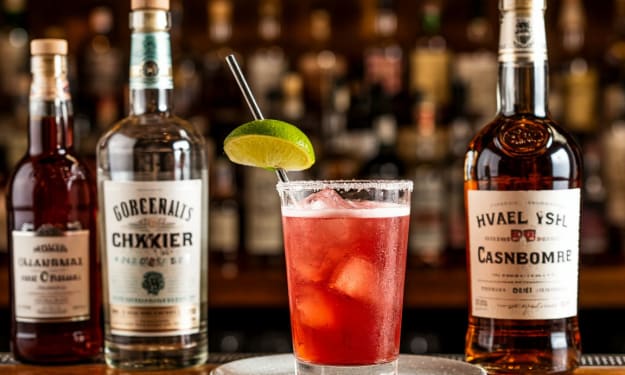
Ever notice how a drink feels fancier in the right glass? That’s not just style — it’s substance. The right glass enhances aroma, temperature, and presentation. A Margarita in a rocks glass with salt on one side of the rim? That’s intention. A Martini in a chilled coupe with no fingerprints? That’s precision.
If the glass is chipped, warm, or oddly chosen (say, a French 75 in a Mason jar), it might signal rushed service — or worse, lack of knowledge.
Want to learn which glass fits which drink? mycocktailrecipes.com has a guide that breaks down cocktail-to-glass pairings for pros and beginners alike.
Garnish: Not Just Decoration
Garnishes aren’t just pretty — they’re purposeful. A well-placed citrus twist or herb sprig enhances aroma and flavor. Is the mint fresh or wilted? Is the citrus peel neatly expressed or just dropped in? These little touches reveal the care and craft behind the drink.
A good bartender knows when to go minimal — and when to go bold. The garnish should support the drink, not compete with it.
Temperature and Texture: You Can Feel It
While you can’t fully assess temperature before sipping, you can spot the signs. Is the glass frosted? Is there proper dilution (ice melt), or is the drink sweating heavily and losing structure? A well-chilled cocktail will look lively, not limp.
Texture, too, shows itself. A properly shaken sour should have a smooth, glossy foam. A stirred cocktail should gently ripple when tilted. These visual textures signal balance and technique — not guesswork.
Movement and Confidence
Watch how the bartender moves. Are they thoughtful and rhythmic? Or rushed and disconnected? A good drink often starts with intentional motion. From measuring to shaking, every step is part of the performance — and performance impacts precision.
Bartenders who respect their ingredients don’t toss them around. They build with presence. And that presence often translates into a more balanced, more enjoyable cocktail.
Final Sip: Trust What You See
Next time you’re served a cocktail, take a pause. Observe the color, glass, garnish, and even the posture of the person who made it. These signals tell you if the drink was crafted with care — or simply thrown together.
Tasting is believing, but looking is learning. Develop your bartender’s eye, and you’ll never settle for a mediocre drink again.
Want to explore drinks that look as good as they taste? Check out beautifully crafted recipes and garnishing tips — where every cocktail is built with both flavor and form in mind.
About the Creator
Sofia Mertinezz
A renowned cocktail mixologist and the owner of a popular speakeasy-style bar in the French Quarter. Her innovative approach to classic cocktails has earned her a loyal following.
Keep reading
More stories from Sofia Mertinezz and writers in Proof and other communities.
The Rise of the “Cocktail Geek”: Hobbyist Mixology Goes Mainstream
Not long ago, mixology was a term reserved for elite bartenders working behind sleek counters in dimly lit speakeasies. The average person might know how to pour a rum and Coke or shake up a basic Margarita, but the real alchemy of cocktails was left to the pros.
By Sofia Mertinezz8 months ago in Proof
At Will
Section 1 Pollen and the bright sun anesthetized color - muting almost every color to its equivalent shade in pastels. James stood by the window of his apartment at Bayside Village, adjusting his tie and checking the time - it was 8:30 AM. On his phone, a message from the Recruiting Agency, Eastridge. Cassie assured him that the partners at Sidley Austin, a corporate law firm, had asked for him by name - which never happened so he should be excited. It was a request that had never occurred in his ten years as a paralegal, a sudden, specific gravity pulling him into their orbit.
By James L. Royer4 days ago in Proof
The Bottle I Was Afraid to Open
I am not a whiskey person. In fact, I’m barely an alcohol person at all. I might have a drink once or twice a year—usually at a wedding, a holiday dinner, or when someone insists I “at least try it.” Even then, I’m the person who nurses the same glass for an hour while everyone else orders a second round.
By Jhon smith6 days ago in Proof


Comments
There are no comments for this story
Be the first to respond and start the conversation.