
Shaken, Not Stirred: Ritual as Reassurance in a Restless World
In a world obsessed with novelty, the cocktail ritual remains one of the last quiet acts of continuity — and comfort.

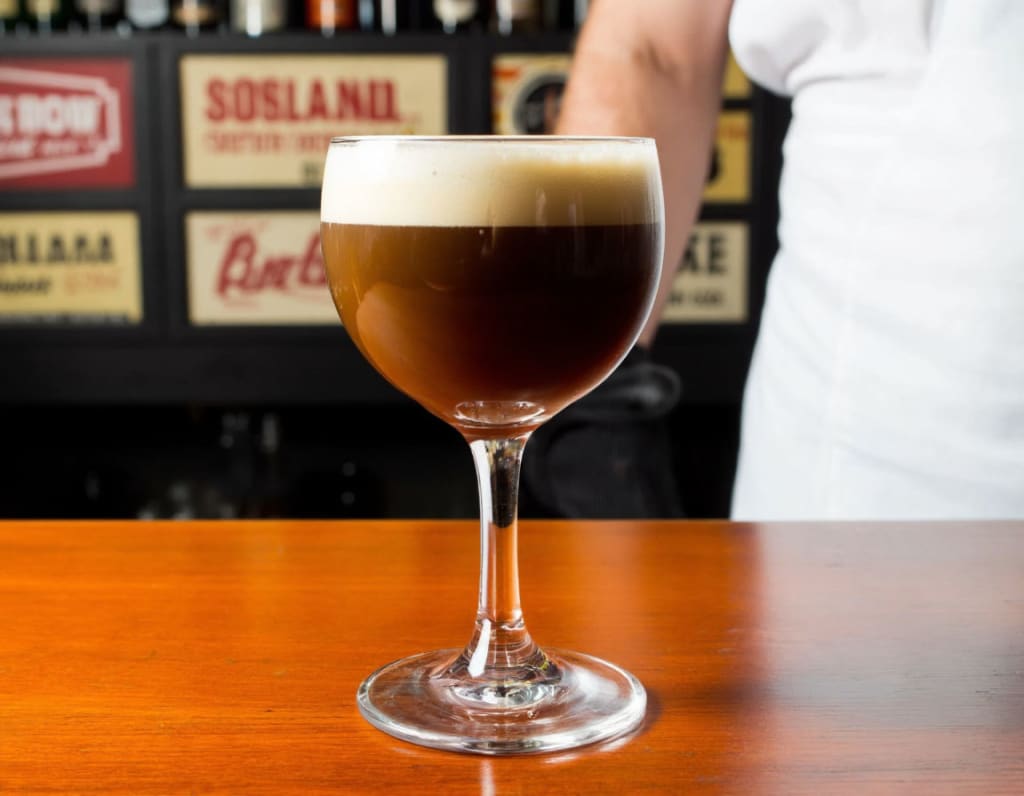
There’s something oddly comforting about watching a cocktail being made. The sound of ice tumbling into a shaker, the deliberate twist of citrus, the rhythm of a long-handled spoon circling the inside of a mixing glass — all of it feels familiar, even if it’s your first time watching. In the modern world, where unpredictability and overstimulation are constant companions, the ritual of cocktail-making offers something deeply human: a small, elegant promise that things can be controlled, shaped, and even beautified.
Behind the bar, the bartender becomes not just a mixologist, but a ritualist — someone who repeats practiced gestures in the service of a communal experience. The repetition is key. Like religious rites or family routines, the process of making a drink follows a script. There's a start and a finish. A known result. It’s a moment where both bartender and guest can briefly suspend the chaos of the outside world and participate in something known, something stable.
Even the choices we make — shaken or stirred, up or on the rocks — reinforce this sense of order. These are not just preferences, they are markers of personal ritual. A guest who orders a dry gin martini, stirred with a lemon twist, may be communicating far more than taste. They might be seeking the comfort of a moment that unfolds the same way it always does. And for the bartender who prepares it, honoring that request becomes a form of service that borders on sacred.
Ritual doesn’t resist change; it absorbs it, processes it, and gives it form. A new bartender learns the classic build of a Negroni before adding their own twist. A guest tries mezcal for the first time but served in a coupe they’ve always loved. The context shifts, the ingredients evolve, but the ceremony remains. This is why, even in avant-garde bars pushing boundaries, the bones of ritual are always present. They are what allow innovation to land with grace, rather than chaos.
At its heart, the cocktail ritual is a way of coping — with transience, with speed, with the feeling of being unmoored. The moment a bartender sets down the drink with intention, it’s a gentle reminder: you’re here, you’re grounded, you’re seen. The glass in front of you might be temporary, but the gesture is enduring.
This is also why we return to certain drinks in times of uncertainty. The Old Fashioned isn’t just a cocktail; it’s a memory scaffold, a structure of comfort. A bartender’s hands, steady and practiced, become an extension of that sense of safety. For the guest, the experience of watching a drink being built becomes almost therapeutic. You know what comes next. You can exhale.
And this applies to bartenders, too. Service rituals offer a kind of psychic structure in an otherwise unpredictable profession. With every shift, bartenders build and rebuild the same altar: the back bar gleams, the tools are set, the mise en place restored. It's not monotony — it's meaning. And meaning is increasingly rare in the fragmented blur of modern life.
That’s what makes cocktail-making such a powerful metaphor: it marries intention with improvisation. Even when the bar is loud, the orders are flying, and someone asks for something off-menu, the core rhythm of ritual holds. The act of shaking a drink isn’t just about aeration — it’s about continuity. Stirring isn't just about temperature — it’s about grace.
At MyCocktailRecipes, we believe these rituals are more than steps — they are gestures of care, memory, and identity. Whether you’re a bartender preserving tradition or a guest seeking refuge in a familiar order, you’re participating in something bigger than the drink itself.
In an age of algorithmic randomness, ritual is a rebellion. And a well-made cocktail — shaken, stirred, built or thrown — might just be one of the most beautiful rebellions there is.
About the Creator
Aisha Patel
A cocktail educator and author, known for her focus on sustainable mixology. She advocates for eco-friendly practices in the bar industry and teaches others how to create delicious cocktails with minimal environmental impact.
Keep reading
More stories from Aisha Patel and writers in Proof and other communities.
Taste as Translation: Turning Emotions Into Ingredients
Some feelings resist language. They arrive in the chest, not the throat—inarticulate, layered, hard to name. But behind the bar, there’s a different vocabulary. Here, emotion finds form through flavor. The bartender becomes a translator, rendering longing into lemon zest, melancholy into amaro, exhilaration into effervescence. Taste, in this world, becomes not just sensory but expressive—a language spoken in ingredients, ratios, and ritual.
By Aisha Patel7 months ago in Proof
Cosmic Cocktails: Galaxy-Inspired Drinks to Dazzle Your Night
When it comes to cocktails, sometimes you want to shoot for the stars—literally. Galaxy cocktails have taken the bar scene by storm, dazzling drinkers with shimmering colors, swirling patterns, and out-of-this-world flavors. These cosmic cocktails look like they were plucked from a nebula, glowing softly with iridescent hues that shift from deep purples to electric blues and shimmering silvers. They’re the perfect drinks for anyone who wants to add a little magic and mystery to their night.
By Vivian Chen5 days ago in Proof
The Bottle I Was Afraid to Open
I am not a whiskey person. In fact, I’m barely an alcohol person at all. I might have a drink once or twice a year—usually at a wedding, a holiday dinner, or when someone insists I “at least try it.” Even then, I’m the person who nurses the same glass for an hour while everyone else orders a second round.
By Jhon smitha day ago in Proof



Comments
There are no comments for this story
Be the first to respond and start the conversation.