
Natural vs Artificial Cocktails: The Battle of Purity and Flavor

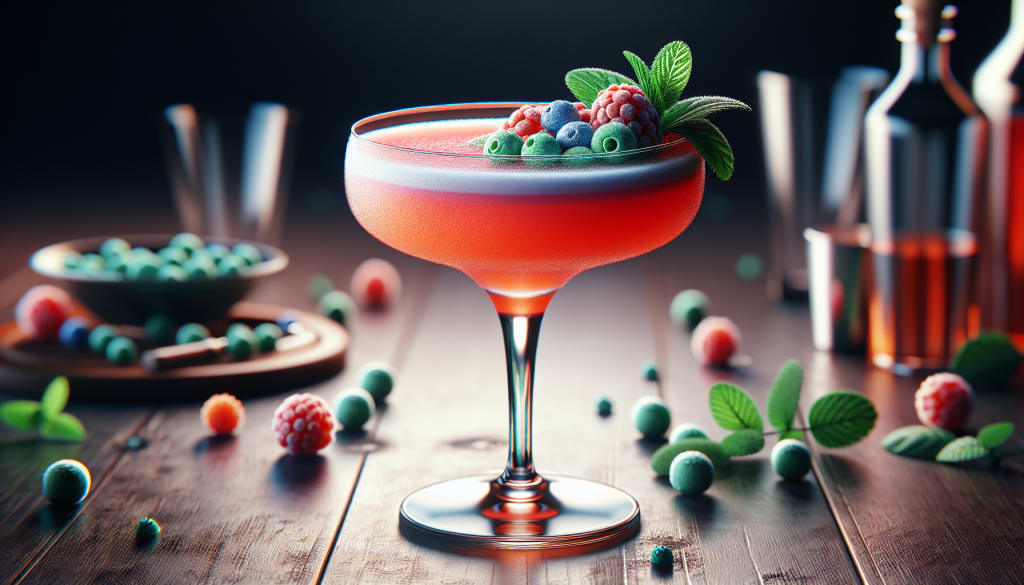
When it comes to cocktails, the debate between natural and artificial ingredients is as lively as a shaken martini. Natural cocktails are crafted with fresh juices, herbs, and pure spirits, embracing the essence of nature’s bounty. Artificial cocktails, on the other hand, rely on syrups, flavorings, and sometimes synthetic additives to mimic or amplify flavors. Both have their place behind the bar, but understanding their differences can elevate your drinking experience.
Natural cocktails boast ingredients you can recognize and pronounce. Imagine a fresh lime squeezed over crushed ice, a sprig of mint torn just before mixing, and a spirit distilled from real botanicals. These drinks offer complexity and depth that evolve on your palate. They often highlight the seasonality of fruits and herbs, making each sip a celebration of freshness. The downside? Natural ingredients can be unpredictable. Citrus varies in sweetness and acidity, herbs wilt, and fresh juices spoil fast. Bartenders need skill and care to balance these elements.
Artificial cocktails, meanwhile, trade freshness for consistency. By using pre-made syrups, artificial flavors, and sometimes colorings, they deliver a reliable taste every time. This approach is great for busy bars or events where speed and volume matter. Artificial ingredients can also create vibrant, novel flavors not found in nature, like cotton candy or sour apple. However, these cocktails can feel one-dimensional or overly sweet, lacking the subtle nuances of fresh ingredients.
Let’s dive into an original cocktail recipe that walks the line between natural and artificial — the Citrus Breeze Cooler. It blends fresh and crafted elements for an exciting sip.
Citrus Breeze Cooler
1) 45 ml fresh grapefruit juice
2) 30 ml vodka
3) 15 ml elderflower syrup (artificially crafted)
4) 10 ml fresh lime juice
5) 60 ml soda water
6) Grapefruit twist for garnish
Fill a shaker with ice. Add grapefruit juice, vodka, elderflower syrup, and lime juice. Shake briskly until chilled. Strain into a tall glass filled with ice. Top with soda water and gently stir. Garnish with a twist of grapefruit peel. The fresh juices bring brightness, while the elderflower syrup adds a floral sweetness that’s consistent and smooth.
Natural cocktails encourage you to savor the moment and appreciate seasonal shifts. Artificial cocktails offer convenience and playful creativity. Whether you prefer the garden’s bounty or the bartender’s toolbox, the choice depends on your mood and the occasion.
In the end, the charm of cocktails lies in their ability to surprise and delight your senses, whether they’re made from fresh-picked ingredients or carefully crafted syrups and essences, and that’s why understanding the contrast between natural and artificial cocktails enriches your drinking adventures like a seasoned bartender’s guide
"The Pros and Cons in Detail
Natural Cocktails
**Pros:**
1) Fresh, vibrant flavors that change with the seasons
2) Healthier perception due to fewer additives
3) Often more aromatic with real herbs and fruits
**Cons:**
1) Short shelf life of fresh ingredients
2) More labor-intensive preparation
3) Flavor inconsistencies due to natural variability
Artificial Cocktails
**Pros:**
1) Consistent flavor profile every time
2) Longer shelf life for ingredients
3) Easy to scale for large parties or commercial use
**Cons:**
1) Can taste overly sweet or artificial
2) Lacks the complexity of fresh ingredients
3) Sometimes perceived as less “authentic”
How to Choose Your Side?
If you’re hosting an intimate gathering and want to impress with fresh, seasonal flavors, natural cocktails are your go-to. For a busy bar night or a themed party where novelty and speed matter, artificial cocktails can shine. Many bartenders blend both approaches for balance — fresh juices with a splash of flavored syrup, or a natural spirit mixed with an artificial twist.
Tips for Crafting Natural Cocktails
1) Use high-quality, ripe fruits and fresh herbs
2) Prepare juices just before serving
3) Balance acidity and sweetness carefully
4) Keep garnishes fresh and vibrant
Tips for Using Artificial Ingredients
1) Choose syrups and flavorings with natural ingredients listed
2) Use sparingly to avoid overpowering the drink
3) Combine with fresh elements when possible to add depth
Whether you’re a home enthusiast or a professional mixologist, exploring the interplay of natural and artificial cocktail elements opens up a world of flavors and techniques to master. So next time you raise a glass, savor the story behind your drink — it might be a perfect blend of nature and artifice.
Cheers to the endless creativity in cocktail crafting!
About the Creator
Ethan Chen
Cocktail chemist and author, known for his scientific approach to mixology. He combines molecular gastronomy with traditional cocktail techniques to create unique drinking experiences.
Keep reading
More stories from Ethan Chen and writers in Proof and other communities.
Prohibition Cocktails: The Spirit of the Roaring Twenties
The Prohibition era in the United States (1920–1933) was a wild time for cocktails. With alcohol banned, bartenders got creative, mixing drinks that masked harsh flavors and used whatever ingredients were on hand. These cocktails were often strong, flavorful, and sometimes a little sneaky. Today, prohibition cocktails are celebrated for their history and bold taste. Let’s dive into some classic styles and an original recipe inspired by those clandestine days.
By Ethan Chen4 months ago in Proof
Bartender Signature Drinks: Crafting Your Own Cocktail Identity
When you step behind the bar, it’s not just about pouring drinks — it’s about telling a story, making a statement, and leaving a mark. Bartender signature drinks are the secret weapons of mixologists who want to showcase their creativity and personal style. These unique cocktails reflect the bartender’s taste, experience, and flair. Whether you’re an aspiring pro or a home enthusiast, creating your own signature drink is a thrilling way to express yourself.
By Sofia Mertinezz2 days ago in Proof
The steps to losing a child
Step One: Lose a child. Not what anyone wants to happen and nothing you can do to change it, but you can go through steps to becoming happy again. You can go through steps to loving again. You can go through steps to become a new you because after losing a child you will never be the same person you once were.
By Tabitha Hinkley3 days ago in Fiction



Comments
There are no comments for this story
Be the first to respond and start the conversation.