
Mastering Cocktail Color Theory: A Bartender's Palette


Color in cocktails is more than just eye candy — it’s a language that sets the mood, hints at flavor, and teases the senses before a single sip. As a bartender, understanding cocktail color theory is like having a secret paint set for your drinks. It helps you craft visually stunning drinks that invite curiosity and promise a taste adventure.
Why Color Matters in Cocktails
Humans are wired to respond to color. A bright red cocktail sparks excitement and passion, while a deep amber can whisper warmth and comfort. Colors influence expectations: a green drink might suggest freshness or herbal notes, while a pale pink evokes sweetness and lightness. When you mix cocktails, you’re mixing pigments and emotions.
The Basics of Color Mixing in Cocktails
Cocktail colors come from the ingredients you choose: spirits, liqueurs, juices, syrups, and garnishes. Think of them as your palette:
1) **Primary colors:** Red, yellow, and blue appear in many ingredients — grenadine (red), lemon juice (yellow), and blue curaçao (blue).
2) **Secondary colors:** Mix primaries to get orange, green, and purple — orange from mixing red and yellow, green from yellow and blue, purple from red and blue.
3) **Tertiary colors:** More complex blends, like coral or teal, come from layering or carefully balancing ingredients.
Remember, transparency and opacity matter. Clear spirits let colors shine through, while cream or dairy-based ingredients soften or mute hues.
Tips for Using Color Theory in Your Drinks
1) **Contrast and harmony:** Use contrasting colors to make a drink pop or harmonious colors for a smooth look.
2) **Layering:** Pouring liquids of different densities slowly can create stunning layered effects, like a rainbow in a glass.
3) **Glassware choice:** The shape and clarity of your glass influence how the color is perceived.
Original Cocktail Recipe: The Chromatic Sunset
This drink plays with warm hues to mimic a sunset’s glow. It’s fruity, balanced, and a showstopper.
1) 45 ml tequila blanco
2) 30 ml blood orange juice
3) 15 ml lime juice
4) 15 ml grenadine
5) 10 ml triple sec
6) Ice cubes
7) Orange wheel and cherry for garnish
**Instructions:**
Fill a shaker with ice. Add tequila, blood orange juice, lime juice, and triple sec. Shake vigorously until chilled. Strain into a rocks glass filled with fresh ice. Slowly pour grenadine down the side to settle at the bottom, creating a layered gradient effect. Garnish with an orange wheel and a cherry on top.
This cocktail is a perfect example of how layering and ingredient colors combine to tell a story — a sunset in a glass that’s as delicious as it is beautiful.
Understanding cocktail color theory transforms your drink-making from simple mixing into an art form. It engages your creativity and sharpens your presentation skills, making every cocktail a visual delight as well as a flavorful experience. Whether you’re designing a signature drink or just impressing friends, mastering color theory is a key ingredient in your bartender toolkit like the definitive guide to cocktail color theory
"Advanced Color Techniques
Experiment with natural color changes too. Some ingredients shift color with pH changes — like butterfly pea flower tea turning from blue to purple with a splash of citrus. These dynamic colors add an interactive element to your drinks.
Color and Flavor Pairing
Colors often hint at flavors. Red usually signals berries or cherries, green suggests herbs or lime, and yellow can mean citrus or tropical fruit. Use this to your advantage by matching colors with complementary tastes to create harmony.
Final Thoughts
Next time you craft a cocktail, think beyond the taste. Consider how the colors work together to set the vibe and tell a story. With a splash of knowledge and a dash of creativity, your drinks will not only taste amazing but look irresistible too.
About the Creator
Ava Mitchell
Spirits writer and editor, focusing on cocktail culture and trends.
Keep reading
More stories from Ava Mitchell and writers in Proof and other communities.
Discovering the Charm of Aged Cocktails: A Recipe and Guide
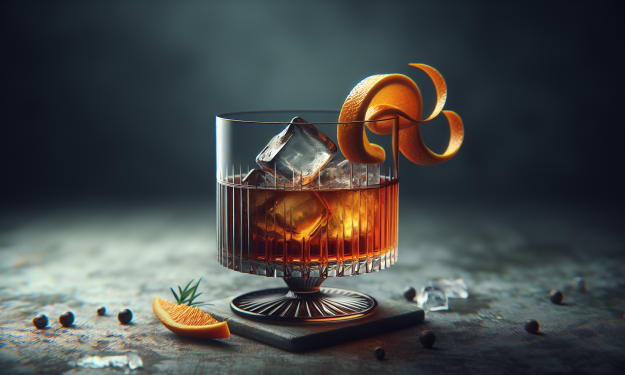
Aged cocktails are the secret weapon of bartenders who want to add depth, complexity, and smoothness to their drinks. By letting a cocktail rest in a barrel or a sealed container for days or weeks, the flavors marry and mellow, creating a rich, velvety texture and a harmonious blend of ingredients. This technique is especially popular for spirit-forward drinks that benefit from a touch of oxidation and wood influence.
By Ava Mitchell6 months ago in Proof
Cosmic Cocktails: Galaxy-Inspired Drinks to Dazzle Your Night
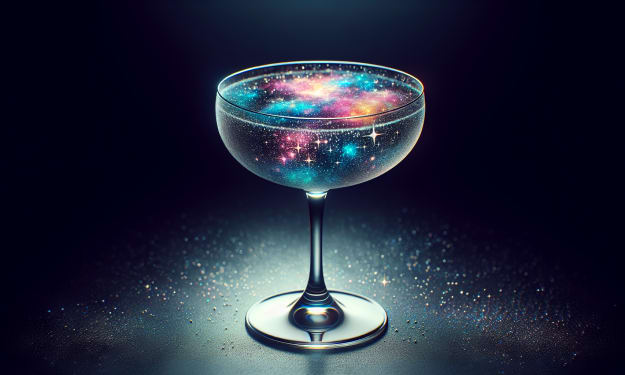
When it comes to cocktails, sometimes you want to shoot for the stars—literally. Galaxy cocktails have taken the bar scene by storm, dazzling drinkers with shimmering colors, swirling patterns, and out-of-this-world flavors. These cosmic cocktails look like they were plucked from a nebula, glowing softly with iridescent hues that shift from deep purples to electric blues and shimmering silvers. They’re the perfect drinks for anyone who wants to add a little magic and mystery to their night.
By Vivian Chen3 days ago in Proof
Spiced Cocktails to Warm Your Winter Nights
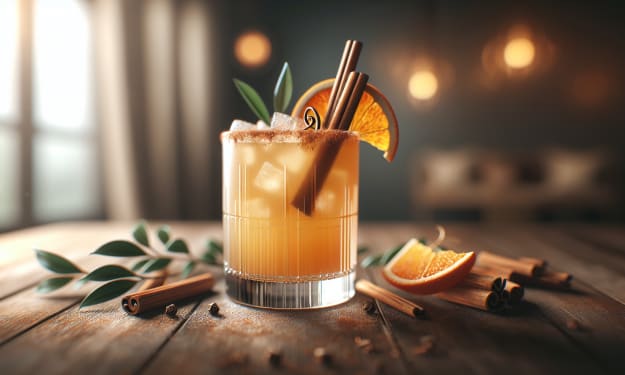
Winter calls for drinks that wrap you up like a cozy blanket. Spiced cocktails, with their rich aromas and warm flavors, are the perfect remedy for chilly evenings. Imagine the scent of cinnamon, clove, nutmeg, and allspice swirling in your glass, teasing your senses before the first sip. These spices don’t just add flavor — they bring a comforting warmth that feels like a hug from the inside out.
By Marcus Petrov5 days ago in Proof

Comments
There are no comments for this story
Be the first to respond and start the conversation.