
Israeli Flavors: Za’atar, Sumac & Hibiscus in Cocktails
How Middle Eastern ingredients are reshaping modern mixology

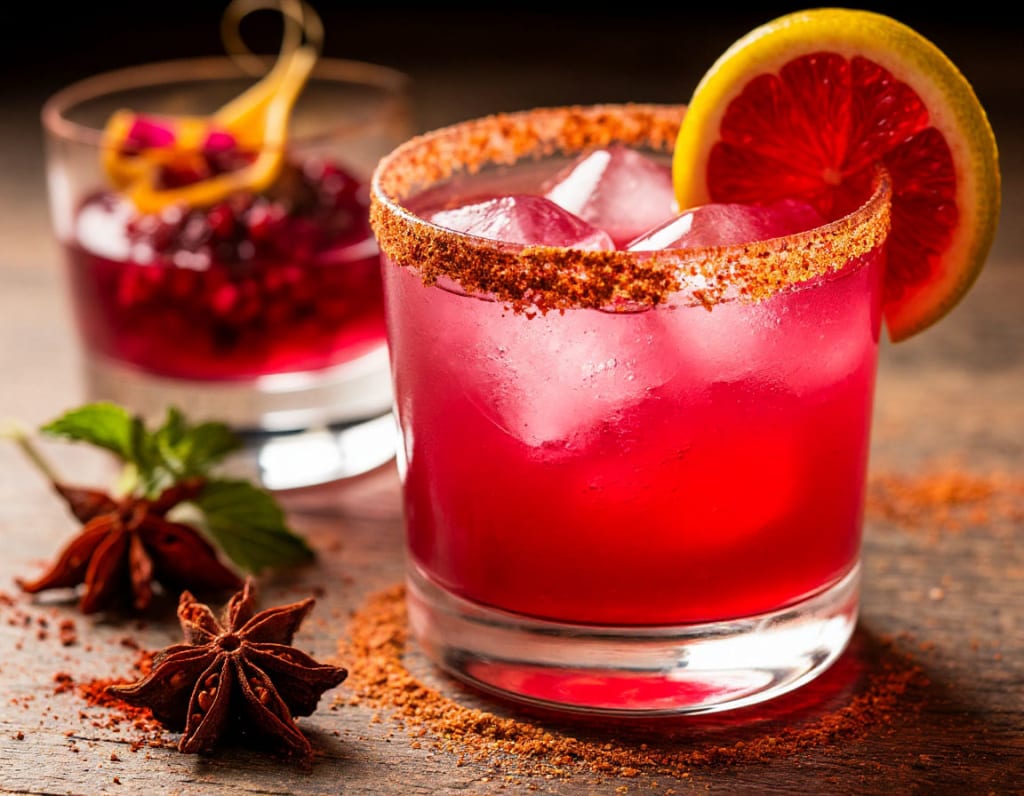
Israeli cuisine is having a moment — and not just on the plate. Known for its bold spices, bright herbs, and vibrant fruits, the culinary profile of Israel is starting to influence bartenders around the world. The result? Cocktails that are earthy, aromatic, and unlike anything you’ve tasted before.
At the heart of this new wave are ingredients like za’atar, sumac, and hibiscus — staples of Levantine cooking that bring unique character and depth to drinks. Whether it’s a za’atar-infused simple syrup, a sumac-rimmed glass, or a hibiscus cordial that transforms a spritz, these elements are transforming how we think about balance, acidity, and complexity in cocktails.
A Flavor Palette Born in the Desert
Israel’s flavor identity is shaped by a blend of Middle Eastern, Mediterranean, and North African influences. Herbs like thyme, oregano, and marjoram (the core of za’atar), the citrusy tang of sumac, and the floral tartness of hibiscus reflect a land where food is both sustenance and celebration.
Bartenders are now tapping into these regional tastes to create cocktails that are at once ancient and inventive — honoring tradition while experimenting with form.
Za’atar: Earthy, Herbal, Unexpected
Za’atar is more than just a spice blend — it’s a cultural staple. Made from dried herbs (typically thyme or hyssop), sesame seeds, and sumac, it’s traditionally used in baking, seasoning meats, and dipping with olive oil and bread. In cocktails, it adds a savory, aromatic depth that pairs well with citrus and botanical spirits like gin and dry vermouth.
Try this:
Za’atar Lemon Martini – Gin, lemon juice, za’atar-infused syrup, and a splash of dry vermouth. Shake with ice and strain into a chilled coupe. Garnish with a lemon twist and a pinch of za’atar on the rim.
Sumac: Citrus Without the Juice
Sumac is a deep red spice with a naturally sour flavor — often used as a tangy seasoning on meats, vegetables, or hummus. But it also works as a low-effort acidifier in cocktails. When infused into a syrup or used as a rim garnish, sumac brings a subtle brightness that mimics lemon without overpowering.
Try this:
Sumac Paloma – Tequila, grapefruit juice, sumac syrup, soda water. Serve in a glass rimmed with sumac and salt for a zesty, earthy kick.
Hibiscus: Floral Tartness with a Visual Pop
Hibiscus, or "roselle", is popular across the Middle East as a tea and natural dye. Its rich crimson color and tart floral flavor make it a dream ingredient for cocktails — think of it as nature’s answer to cranberry or red currant.
Try this:
Hibiscus & Arak Fizz – Arak (anise liqueur), hibiscus syrup, lemon juice, egg white (or aquafaba). Shake until foamy and serve over ice. The interplay of floral, citrus, and herbal notes makes for a stunning and unforgettable drink.
Looking for more original recipes using floral and Middle Eastern ingredients? Browse our cocktail inspiration collection for creative drinks that celebrate regional flavors from around the world.
Why These Ingredients Matter
Using za’atar, sumac, and hibiscus isn’t just about being trendy — it’s about bringing cultural depth and storytelling into the glass. These ingredients offer unique flavors not commonly found in Western cocktail bars, giving adventurous drinkers something bold, grounded, and new.
They also resonate with the growing demand for low-waste, natural, and health-forward ingredients in cocktails. All three are versatile, shelf-stable, and full of antioxidants — a win for both bartenders and drinkers.
Sip the Levant
Incorporating Israeli flavors into cocktails is a celebration of place, memory, and imagination. Whether you're a professional mixologist or an at-home experimenter, adding a dash of za’atar, a drizzle of hibiscus syrup, or a pinch of sumac can open up a new world of taste.
As global palates expand and borders blur, expect to see more Levantine influences behind the bar. And next time you mix a drink, consider reaching for flavors that carry not just notes, but stories.
About the Creator
Aisha Patel
A cocktail educator and author, known for her focus on sustainable mixology. She advocates for eco-friendly practices in the bar industry and teaches others how to create delicious cocktails with minimal environmental impact.
Keep reading
More stories from Aisha Patel and writers in Proof and other communities.
What Is Pisco? A Guide to Peru’s Signature Spirit
When people think of South American spirits, tequila or rum may come to mind first — but Peru has a secret weapon that deserves global attention: pisco. This clear, grape-based brandy has been produced in Peru for centuries and is now gaining international recognition for its bold flavor, rich heritage, and incredible versatility in cocktails.
By Aisha Patel7 months ago in Proof
Cultivating Calm Focus for Study
Studying can sometimes feel overwhelming. Thoughts race, distractions pull you away, and focus drifts like a leaf on the wind. Yet, with a gentle practice of calm focus, you can create a steady mind that welcomes learning with ease.
By Victoria Marse6 days ago in Proof
Cultivating Compassionate Awareness: A Gentle Path to Presence
Compassionate awareness is the art of holding your experience with kindness and openness. It invites you to notice your thoughts, feelings, and sensations without judgment, and to respond with warmth rather than criticism. This practice nurtures a deep connection to yourself and others, fostering patience and understanding.
By Victoria Marse5 days ago in Proof
The Devil's Cut
“Comrade, finally you’re awake.” The voice was smooth, sensual. A flickering incandescent bar was all that lit the white, sterile room. All Vladimir remembered was everything going black. He tried to move his arms and found them strapped to the gurney.
By Matthew J. Fromm5 days ago in Fiction




Comments (1)
This Israeli cuisine influence on cocktails is cool. I like how za’atar and sumac are being used. Gonna try making some of these drinks at home. It's great to see new flavors in cocktails. Hibiscus sounds interesting too. Can't wait to experiment with these ingredients.