
Ice Matters: Shape, Size & Why It Changes Everything
How the most overlooked cocktail ingredient can make or break your drink


When you think of the perfect cocktail, your mind probably jumps to the spirit, the balance of sweet and sour, the garnish, or even the glassware. But one element quietly shapes the entire experience — ice. Whether you're sipping a smoky Old Fashioned or a bright Mojito, the ice in your glass influences everything from flavor and texture to temperature and presentation.
In recent years, professional bartenders and home mixologists alike have started to pay closer attention to ice size, shape, and quality — and for good reason. Understanding how ice behaves in a drink can elevate your cocktails from average to exceptional.
The Science Behind the Chill
Ice is more than just a way to cool your drink — it’s a tool that affects dilution, aroma, and structure. When you shake or stir a cocktail, the ice melts slightly, integrating water into the mixture. This dilution isn’t a flaw; it’s an essential part of what makes the drink palatable and balanced.
Too little dilution, and the drink tastes harsh. Too much, and it becomes watery. The key is controlled melt, and that depends heavily on ice type.
Different Ice Shapes, Different Outcomes
Let’s break down the most common types of cocktail ice and their specific uses:
Large Cubes (2x2 inches): Ideal for spirit-forward drinks like the Old Fashioned or Negroni. Large cubes melt slowly, keeping the drink cold without overdiluting.
Crushed Ice: Perfect for Juleps, Tiki drinks, and other summer cocktails. The small surface area encourages faster melting, adding necessary water and a frosty texture.
Spheres: Often seen in whiskey service, ice spheres are not just aesthetically pleasing — they offer the slowest melt rate, making them great for sipping spirits neat.
Collins Spears: Tall rectangular pieces designed for highball glasses. They chill efficiently while minimizing surface melt, keeping your fizzy drinks crisp.
Pebble or Nugget Ice: Great for swizzle-style drinks or those where chewable texture is part of the fun. Just be aware — they melt quickly.
The Quality of Ice Matters, Too
Clear ice isn’t just about looks — it’s also denser and slower to melt than cloudy ice. Cloudy cubes often contain trapped air and impurities, which can lead to faster dilution and even off-flavors. You can make clear ice at home using directional freezing methods, or purchase molds designed for clarity.
In cocktails where balance is everything, like a Martini or Manhattan, even slightly off-tasting water can affect the final result. Using filtered or distilled water to make ice can go a long way toward improving consistency.
Shaking vs. Stirring: How Ice Plays a Role
The technique you choose — shaking or stirring — also affects how ice behaves. Shaking introduces more air and a quicker melt, great for citrusy or creamy cocktails that need aeration and chill. Stirring offers a slower dilution, ideal for booze-forward cocktails where clarity and smooth texture matter.
The type and amount of ice you use in each method changes the drink’s outcome dramatically. For consistent results, many bartenders use a scale or timer during preparation — something you can easily adopt at home.
If you're curious about perfecting cocktail techniques and using ice the right way, explore our essential mixology guides, where we dive into everything from bar tools to batching strategies.
Ice as a Design Element
In the world of modern mixology, ice is also visual art. Crystal-clear spheres, floral-filled cubes, and branded blocks add sophistication and intrigue to drinks. A beautifully crafted ice cube can elevate a simple highball into a showstopper — especially in an era where drinks are Instagrammed before they're sipped.
At high-end bars, custom molds and laser-cutting tools create ice with precision. But even at home, you can impress guests with silicone molds, edible flower inclusions, or layered flavors in ice (try freezing tea or citrus juice for fun twists).
Don’t Underestimate the Ice
Great cocktails aren’t just about recipes — they’re about execution. And ice is a crucial part of that execution. It controls dilution, alters texture, enhances visuals, and even impacts how the first sip feels on the tongue.
So next time you build a drink, don’t just grab whatever ice is in the freezer tray. Think about what the cocktail needs. Match the ice to the drink, just as you would choose the right spirit, glass, or garnish.
Because in the world of cocktails, the coldest ingredient might just be the hottest key to perfection.
About the Creator
Sofia Mertinezz
A renowned cocktail mixologist and the owner of a popular speakeasy-style bar in the French Quarter. Her innovative approach to classic cocktails has earned her a loyal following.
Keep reading
More stories from Sofia Mertinezz and writers in Proof and other communities.
Tequila & Mezcal: Lifting Latin Mixology Beyond the Margarita
When most people think of tequila, the Margarita quickly comes to mind — a salty, citrusy classic that has cemented its place in bars worldwide. Mezcal, tequila’s smokier cousin, often follows as an adventurous alternative. But in recent years, both spirits have surged beyond their stereotypical roles, emerging as the centerpieces of a more refined, complex Latin American mixology.
By Sofia Mertinezz9 months ago in Proof
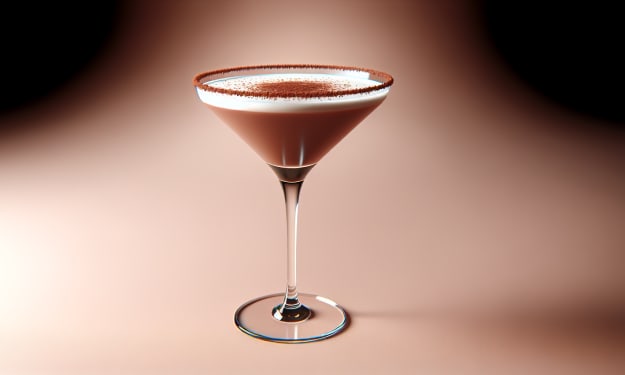
Irresistible Chocolate Cocktails: Sweet Treats for Dessert Lovers
Chocolate and cocktails are a match made in heaven. When the rich, velvety taste of cocoa meets the spirited kick of alcohol, magic happens. Whether you want to impress guests or just treat yourself after dinner, chocolate cocktails offer that perfect blend of sweetness and indulgence. These drinks are dessert in a glass, smooth and luscious, with enough complexity to keep your palate intrigued.
By Marcus Petrov3 days ago in Proof


Comments
There are no comments for this story
Be the first to respond and start the conversation.