
How Colors in Cocktails Affect Your Perception and Mood
Drinks don’t just taste — they feel. And color plays a bigger role than you think.


When you think of a cocktail, flavor likely comes first. But what if your brain is already forming expectations before you even take a sip — based on color alone? Color has a powerful psychological effect on our mood, appetite, and even how we think a drink should taste. In mixology, it’s more than just visual flair — it’s part of the emotional recipe.
A vibrant ruby-red drink might signal passion, energy, or even sweetness, while a pale green cocktail can evoke freshness, balance, or herbal complexity. The color of your drink sets the tone, shapes your experience, and even affects how satisfied you feel afterward.
The Psychology Behind the Palette
Color theory plays a major role in how we experience cocktails, often without us realizing it. Warm colors like orange, red, and pink tend to stimulate excitement and sociability — that’s why drinks like Negronis, Spritzes, and Cosmos feel perfect for parties. Meanwhile, cool colors like blue and green can create a sense of calm, sophistication, or even mystery — ideal for late-night sips or contemplative moments.
Yellow and gold tones often suggest brightness and fun — think citrusy cocktails like the Bee’s Knees or a whiskey sour with an egg white foam catching the light just right. Deep purples or dark browns can lend an air of richness and depth, often hinting at boozy, intense flavors before they ever touch your lips.
Color & Flavor Expectations
Studies show we associate certain colors with specific tastes. Red often implies sweet or fruity, while green can suggest sour or herbal. If you’re handed a bright pink drink, your brain might brace for berries — even if the base is bitter Campari. This creates both opportunity and challenge for bartenders: play into the expectation, or deliberately subvert it.
For example, a pale lavender cocktail might look delicate, but hit with a spicy ginger bite. A murky brown drink could surprise with floral notes. These visual contrasts can heighten surprise and delight — especially in signature cocktails where experience is everything.
The Mood-Color Connection
Color doesn’t just hint at taste — it shapes feeling. A tall, icy-blue cocktail on a summer afternoon might feel refreshing before the first sip. A deep red mulled wine glows with warmth in the winter. Even the garnish can alter mood: a bright orange twist feels playful, while a sprig of sage gives grounding.
If you’re hosting, use color to guide the emotional arc of the evening. Want a lively, energetic vibe? Serve vibrant, citrus-hued drinks. Looking for a mellow, reflective tone? Think muted purples, earthy browns, or smoky grays in your cocktail design.
Want More Than Just a Pretty Drink?
Explore our curated selection of cocktails designed not only to taste incredible — but to look stunning and feel right for the moment. You’ll find drinks arranged by color, mood, and occasion, so you can match your vibe with every pour.
Final Sip: Drink with Your Eyes First
Cocktails are multi-sensory — and color is the first impression. Whether you’re seeking calm, energy, romance, or surprise, the shade in your glass is more than aesthetic. It’s emotional. It’s intentional. And when used thoughtfully, it becomes part of the cocktail’s story.
So next time you mix or order a drink, ask yourself not just what do I want to taste, but also — how do I want to feel?
About the Creator
Aisha Patel
A cocktail educator and author, known for her focus on sustainable mixology. She advocates for eco-friendly practices in the bar industry and teaches others how to create delicious cocktails with minimal environmental impact.
Keep reading
More stories from Aisha Patel and writers in Proof and other communities.
Mindful Mixology: Drinking with Intention and Presence
In a fast-paced world, cocktails often become just another way to wind down or keep up. But what if we slowed things down? What if, instead of rushing through a pour or mindlessly sipping while scrolling, we treated cocktail hour as an act of presence — of mindfulness?
By Aisha Patel8 months ago in Proof
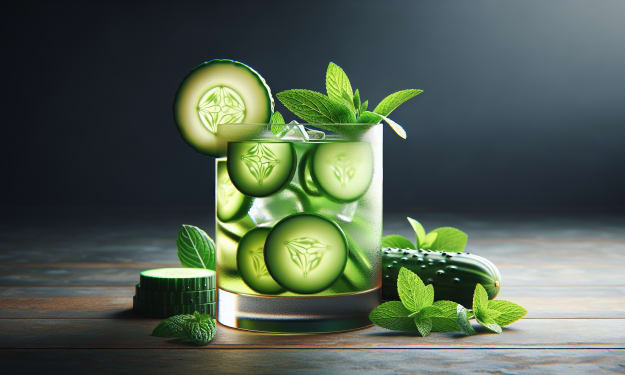
Refresh Your Summer: Cucumber Cocktails for Hydrating and Light Enjoyment
When the sun is blazing and your thirst is calling, nothing hits the spot quite like a cucumber cocktail. These drinks are the perfect blend of hydrating freshness and light, invigorating flavors that make every sip a celebration of summer. Cucumber, with its crisp and clean profile, lends itself beautifully to cocktails that feel more like a cool breeze in a glass than a heavy tipple.
By Stella Rossi6 days ago in Proof
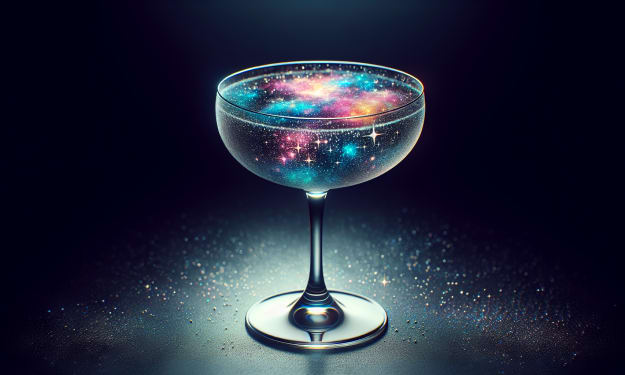
Cosmic Cocktails: Galaxy-Inspired Drinks to Dazzle Your Night
When it comes to cocktails, sometimes you want to shoot for the stars—literally. Galaxy cocktails have taken the bar scene by storm, dazzling drinkers with shimmering colors, swirling patterns, and out-of-this-world flavors. These cosmic cocktails look like they were plucked from a nebula, glowing softly with iridescent hues that shift from deep purples to electric blues and shimmering silvers. They’re the perfect drinks for anyone who wants to add a little magic and mystery to their night.
By Vivian Chen2 days ago in Proof


Comments
There are no comments for this story
Be the first to respond and start the conversation.