
Flavor and Feeling: How Aroma Shapes Your Cocktail Experience
Before you taste the drink, you feel it — in the air, in the mind, and in memory.

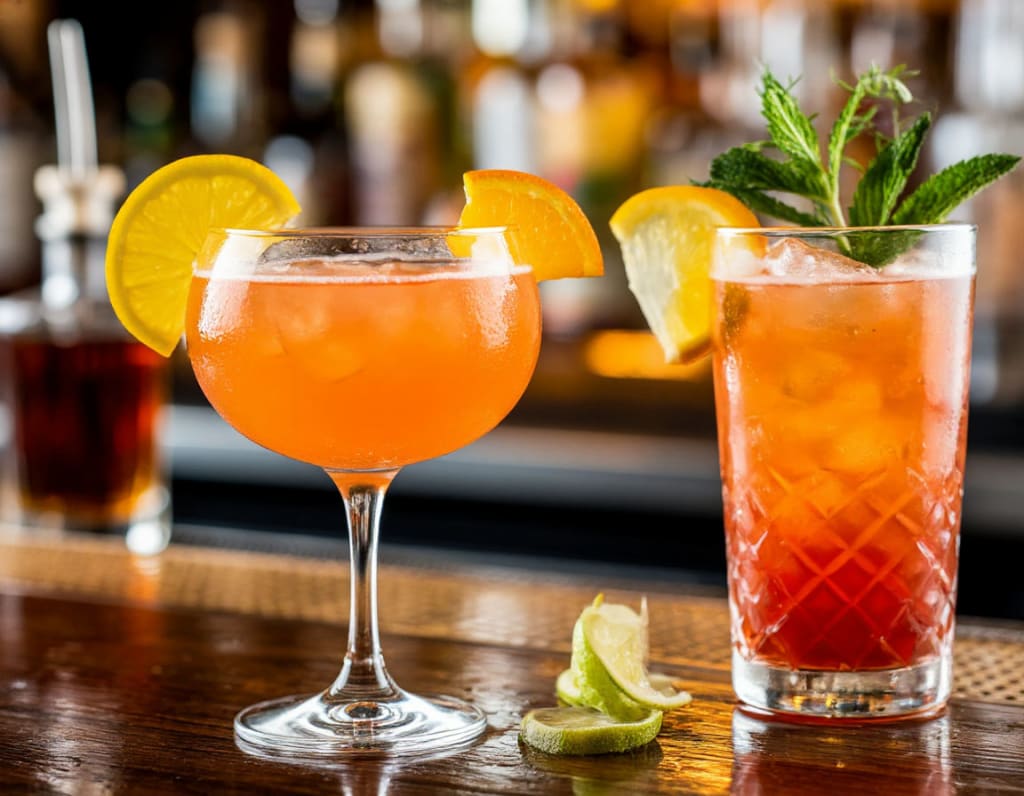
You take a sip of a cocktail and immediately smile. But why? Is it the flavor on your tongue — or something more subtle happening before the liquid even hits your lips? In truth, the magic begins earlier: with aroma.
Aroma is the invisible architecture of a cocktail. It shapes our expectations, influences our perception of taste, and taps into emotions and memories we didn’t even know we had. In a well-crafted drink, the scent is just as important as the ingredients on the menu — maybe even more so.
The Nose Knows
Our sense of smell is directly connected to the brain's emotional and memory centers. This is why one whiff of rosemary might take you back to your grandmother’s kitchen, or a citrusy perfume might make you feel instantly awake.
When it comes to cocktails, aromatic ingredients — from citrus zest to fresh herbs, from smoke to spices — are tools that mixologists use to create mood and memory. The right scent can make a drink feel cozy, invigorating, sensual, or nostalgic.
How Aroma Enhances Flavor
Flavor is a multisensory experience. While taste buds can detect only five basic sensations — sweet, sour, salty, bitter, and umami — aroma fills in all the nuance. It gives your cocktail its "character": floral, earthy, smoky, fruity, spicy.
Ever noticed how a cocktail can seem bland when you're congested? That’s because 80% of what we think of as "taste" is actually smell. This is why bartenders often spray, flame, or express aromatic oils over a cocktail — it’s not just for flair, it’s to frame the flavor in your mind before the first sip.
5 Ways to Boost Aroma in Your Cocktails
1. Expressed Citrus Oils
Twisting a lemon or orange peel over your drink releases aromatic oils that sit on the surface and greet your nose before the first sip.
2. Herb Slaps & Smudges
Gently slapping basil, mint, or rosemary before garnishing activates their oils and intensifies the aroma.
3. Smoke & Burnt Elements
A smoked glass, burnt cinnamon stick, or singed rosemary sprig can create a dramatic sensory experience — and bring depth to darker cocktails.
4. Infused Syrups or Spirits
Creating your own infusions (e.g., lavender gin or chai-spiced syrup) allows you to layer aroma throughout the drink, not just on top.
5. Aromatic Garnishes
From edible flowers to star anise, a fragrant garnish not only adds visual appeal but sets the tone for what the drink will feel like.
Want to Explore More Sensory-Driven Cocktails?
We dive deep into cocktails that don’t just taste great — they feel great. Discover recipes designed to awaken your senses and shift your mood, with aroma-forward ingredients that turn every sip into an experience.
Final Sip: Drink with Your Nose
The next time you raise a cocktail to your lips, pause. Inhale deeply. Let the aroma guide you into the flavor — and into the feeling. Because a truly great drink doesn’t just quench your thirst. It moves you.
And sometimes, that emotional resonance — that invisible whisper of lavender, smoke, or citrus — is what makes the memory stick.
Cheers to the scents that shape our sips.
About the Creator
Ethan Chen
Cocktail chemist and author, known for his scientific approach to mixology. He combines molecular gastronomy with traditional cocktail techniques to create unique drinking experiences.
Keep reading
More stories from Ethan Chen and writers in Proof and other communities.
The Science Behind Why Certain Drinks Boost Your Mood
We often associate cocktails with good times — celebrations, socializing, relaxation. But beyond their cultural symbolism, certain drinks can genuinely uplift your mood on a biological and psychological level. From the ingredients used to the way you experience the drink, science has a lot to say about why that Negroni or herbal spritz might make you feel just right.
By Ethan Chen6 months ago in Proof
Mastering the Library Bar Setup: A Bartender’s Guide
Non-judgmental awareness is a gentle way of paying attention to your present experience without labeling it as good or bad. It invites you to notice thoughts, feelings, and sensations as they arise, simply as they are. This practice helps create space between you and your reactions, allowing calm and clarity to grow.
By Ava Mitchella day ago in Proof
Crafting the Perfect Quiet Themed Cocktail
When you think of a ""quiet themed cocktail,"" you might imagine a drink that whispers rather than shouts—a subtle, elegant concoction that invites calm and introspection. These cocktails are perfect for moments when you want to unwind quietly, enjoy a peaceful evening, or create a serene atmosphere at your next gathering. The secret is in the balance: gentle flavors, smooth textures, and a touch of sophistication.
By Ava Mitchell2 days ago in Proof



Comments
There are no comments for this story
Be the first to respond and start the conversation.