
Do Fish Get Thirsty?
Unraveling the Mystery of Aquatic Hydration

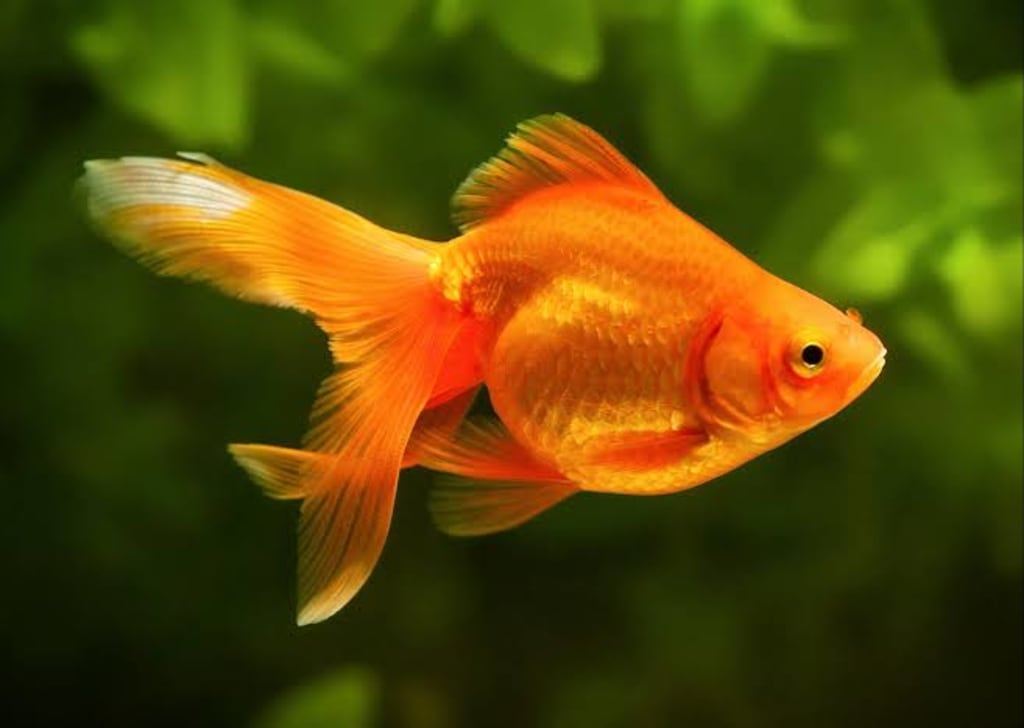
When we think of thirst, we imagine a dry mouth, a parched throat, and the urgent need for a refreshing drink. But have you ever wondered if fish experience thirst the way humans and other land animals do? Given that they spend their entire lives submerged in water, it seems like an unusual question. However, the concept of hydration in fish is quite fascinating and differs significantly from that of land-dwelling creatures.
In this blog, we will explore the science behind fish hydration, the difference between freshwater and saltwater fish, and how these aquatic animals regulate their internal water balance.
What is Thirst?
Thirst is a biological response that signals the need for water intake to maintain proper hydration levels. In mammals, this sensation occurs when the body detects dehydration, prompting the individual to drink water. However, thirst is closely related to how an organism regulates water and electrolyte balance—a process known as osmoregulation.
For land animals, thirst is crucial because they constantly lose water through sweating, respiration, and urination. But fish, being surrounded by water, have a completely different challenge: maintaining the right balance of water and salts inside their bodies.
Do Fish Feel Thirst?
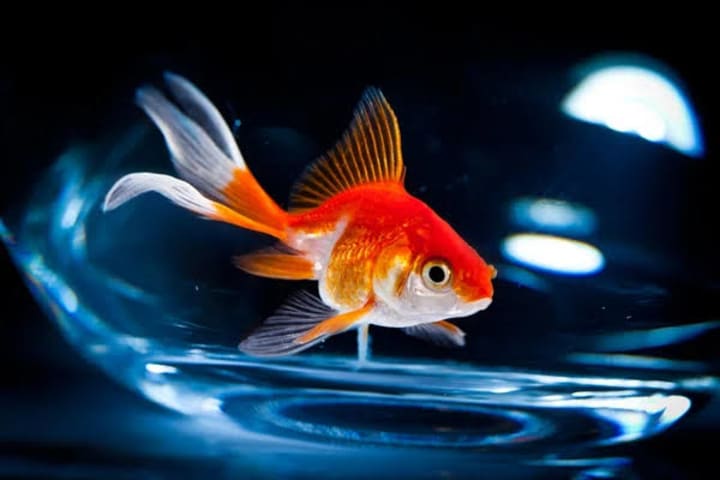
The simple answer is no, at least not in the way humans do. Fish do not experience thirst as a conscious urge to drink water. Instead, their bodies automatically regulate their water intake through osmoregulation. However, some fish actively drink water, while others do not—depending on whether they live in freshwater or saltwater environments.
Freshwater vs. Saltwater Fish: How They Stay Hydrated
The difference in hydration strategies between freshwater and saltwater fish is due to the difference in the salinity of their surroundings.
Freshwater Fish: Constantly Absorbing Water
Freshwater fish live in an environment where the water has a lower concentration of salt than their own bodily fluids. Due to a process called osmosis, water naturally moves into their bodies through their skin and gills. This means freshwater fish do not need to drink water because their bodies are constantly absorbing it.
To prevent excess water from diluting their bodily fluids too much, freshwater fish produce large amounts of dilute urine to expel the extra water while retaining essential salts. Their kidneys play a crucial role in filtering out excess water while conserving necessary ions.
Saltwater Fish: Drinking to Stay Hydrated
In contrast, saltwater fish face the opposite problem. The water in the ocean has a much higher salt concentration than their bodily fluids. Because of osmosis, water tends to leave their bodies, which could lead to dehydration. To counteract this, saltwater fish actively drink seawater to replenish lost fluids.
However, drinking saltwater presents another challenge: excess salt intake. To deal with this, saltwater fish have specialized cells in their gills that help remove excess salt from their bloodstream, expelling it back into the ocean. Their kidneys also produce very little urine to conserve water while excreting concentrated amounts of salt.
What About Amphibious and Brackish Water Fish?
Some fish, like eels and salmon, can live in both freshwater and saltwater at different stages of their lives. These fish have the unique ability to switch between hydration strategies depending on their environment. When in freshwater, they stop drinking and expel excess water. When they move to the ocean, they start drinking seawater and excreting excess salt.
Similarly, fish that live in brackish water—where freshwater and saltwater mix—must constantly adjust their osmoregulation processes depending on the changing salinity of their habitat.
How Do Fish in Captivity Stay Hydrated?
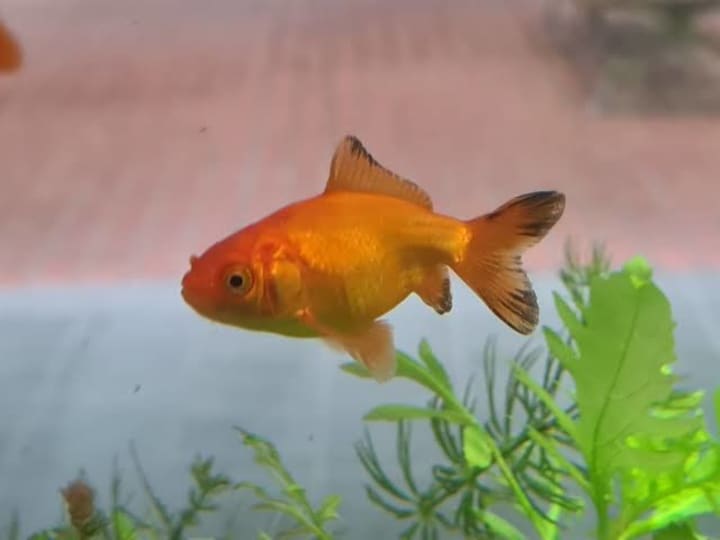
If you own pet fish, you might wonder how they stay hydrated in an artificial aquarium environment. The good news is that if you provide the right water conditions (appropriate salinity for the species), their bodies will naturally regulate hydration as they would in the wild.
However, poor water quality, incorrect salinity levels, or sudden changes in water conditions can stress fish and disrupt their osmoregulation. This is why maintaining proper aquarium conditions is essential for their health.
Conclusion: Fish and Thirst—A Unique Perspective
Fish do not feel thirst in the way humans and land animals do. Instead, their bodies have evolved specialized mechanisms to regulate their internal water balance automatically. Freshwater fish absorb water through their skin and gills, while saltwater fish actively drink to compensate for water loss.
Understanding these differences helps us appreciate the complexity of aquatic life and the remarkable ways fish have adapted to their environments. So, while a fish may never experience thirst like you do on a hot summer day, they are constantly engaged in a delicate balancing act to stay properly hydrated.
About the Creator
Keep reading
More stories from INFO INSIDER and writers in Proof and other communities.
5 Places on Earth Where Gravity Doesn’t Seem to Work
Gravity is one of the fundamental forces that govern our universe, keeping us firmly planted on the ground. However, there are a few mysterious places on Earth where gravity seems to behave strangely, leaving scientists and visitors baffled. These locations challenge our understanding of physics and often spark local legends, conspiracy theories, and paranormal explanations. While some of these oddities can be explained by optical illusions or geological formations, others remain a mystery. Here are five such gravity-defying places that will leave you questioning the laws of nature.
By INFO INSIDER about a year ago in Proof
Herbal Tea Cocktails: Sip Your Way to Calm and Wellness
Herbal tea cocktails are the unsung heroes of the cocktail world—infusions that soothe, refresh, and elevate your drinking experience without the usual buzz. They blend the ancient wisdom of tea with the art of mixology, crafting drinks that calm the nerves and tantalize the taste buds. Whether you’re winding down after a long day or looking for a wellness boost with a twist, herbal tea cocktails bring nature’s best flavors to your glass.
By Stella Rossi3 days ago in Proof
Pearl
1980 something. we all hung out at Pearl and you and i were nothing special, or so i thought. i mean we all danced, drenched in our own sweat, our own saline solution of fear, too many beers, shots, laughter, tears, fucks in the bathroom and i don't know when we began to be afraid. do you?
By ROCK aka Andrea Polla (Simmons)5 days ago in Fiction


Comments
There are no comments for this story
Be the first to respond and start the conversation.