
Discovering Deep Calm with Body Scan Relaxation

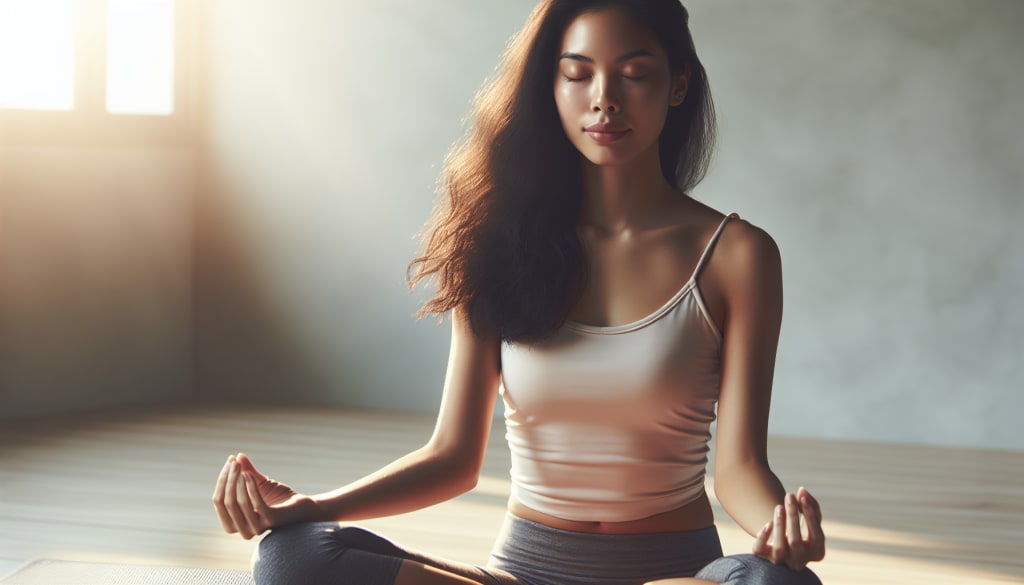
Body scan relaxation is a gentle way to bring your attention fully into your body. It helps you notice sensations, release tension, and settle into a peaceful state. This practice invites you to slow down and be present with your body, one part at a time.
Here is a simple body scan relaxation you can try:
1) Find a comfortable place to lie down or sit where you won’t be disturbed. Close your eyes if that feels good.
2) Take a few slow, deep breaths. Feel the air moving in and out, softening your body.
3) Bring your attention to your feet. Notice any sensations—warmth, coolness, tingling, or pressure where your feet touch the surface.
4) Slowly move your focus upward to your ankles, calves, and knees. Pause at each area and simply observe without judgment.
5) Continue scanning up through your thighs, hips, and pelvis. Let your muscles soften as you breathe.
6) Shift your attention to your lower back and abdomen. Notice any tightness or ease. Breathe gently into any tension.
7) Bring awareness to your chest and upper back. Feel the rise and fall with each breath.
8) Move your focus to your shoulders, arms, and hands. Let them relax fully.
9) Finally, bring your attention to your neck, jaw, and face. Release any tightness you find and let your whole face be soft.
10) When you have scanned the whole body, rest your attention on your breath for a few moments before slowly opening your eyes.
This practice can take anywhere from five to twenty minutes. The key is to move slowly and kindly, noticing sensations without trying to change anything.
Body scan relaxation helps you connect deeply with your body’s current state. It can calm your nervous system and bring a sense of groundedness. You can use it anytime you feel overwhelmed or want to prepare for restful sleep.
Body scan relaxation is a simple yet powerful way to tune into your body and mind, offering a path to ease tension and find calm even in busy moments, making it a valuable tool for daily self-care and mindful awareness through the body scan meditation practice
"Tips for a Successful Yoga Nidra Session
1) Use a quiet space where you won’t be disturbed.
2) Wear comfortable clothing and use props like blankets or cushions if needed.
3) Practice at a time when you can fully relax, such as before bed or during a restful break.
4) Use guided recordings or apps to help maintain focus and structure.
5) Be patient; the benefits deepen over time with consistent practice.
Understanding the Mind-Body Connection
Yoga Nidra works by engaging the parasympathetic nervous system, which slows the heart rate and relaxes muscles. This state reduces the production of stress hormones and encourages healing processes. The practice also enhances body awareness, helping you notice subtle sensations and emotions without reacting. This mindful observation can lead to greater emotional balance and clarity in daily life.
Exploring Further
Many teachers include visualizations, affirmations, or intention setting (Sankalpa) during Yoga Nidra to deepen the experience. You might explore these elements as you become more comfortable with the basic practice. Remember, Yoga Nidra is a personal journey—there is no right or wrong way to experience it. The key is to approach it with openness and gentle curiosity.
Yoga Nidra can be a valuable addition to your wellness routine, offering a sanctuary of calm in a busy world.
About the Creator
Garold One
writer and meditation practitioner
Keep reading
More stories from Garold One and writers in Proof and other communities.
Cultivating Mindfulness at Work for Greater Calm and Focus
Mindfulness at work is a gentle practice that helps us stay present, reduce stress, and connect more deeply with our tasks and colleagues. It invites us to slow down amidst the busyness and notice what is happening right now, rather than getting caught up in worries or distractions.
By Garold Oneabout a month ago in Proof
Heart-Opening Practices for Emotional Balance and Calm
Opening the heart is a gentle way to invite more warmth, compassion, and ease into your daily life. It helps you connect with your feelings and soften any tension held in the chest area. Heart-opening practices can be both physical and energetic, encouraging a sense of emotional balance and inner calm.
By Victoria Marsea day ago in Proof
Mastering the Library Bar Setup: A Bartender’s Guide
Non-judgmental awareness is a gentle way of paying attention to your present experience without labeling it as good or bad. It invites you to notice thoughts, feelings, and sensations as they arise, simply as they are. This practice helps create space between you and your reactions, allowing calm and clarity to grow.
By Ava Mitchella day ago in Proof
The Ritual of Winter Challenge Winners
Welcome to the Winners Announcement for The Ritual of Winter challenge. This prompt focused on winter rituals and the meaning that settles into them over time. The top pieces stay grounded in ordinary acts and repeated routines, letting winter shape the work through pace, attention, and restraint.
By Vocal Curation Team2 days ago in Resources



Comments
There are no comments for this story
Be the first to respond and start the conversation.