
Discovering Calm with Guided Imagery Meditation

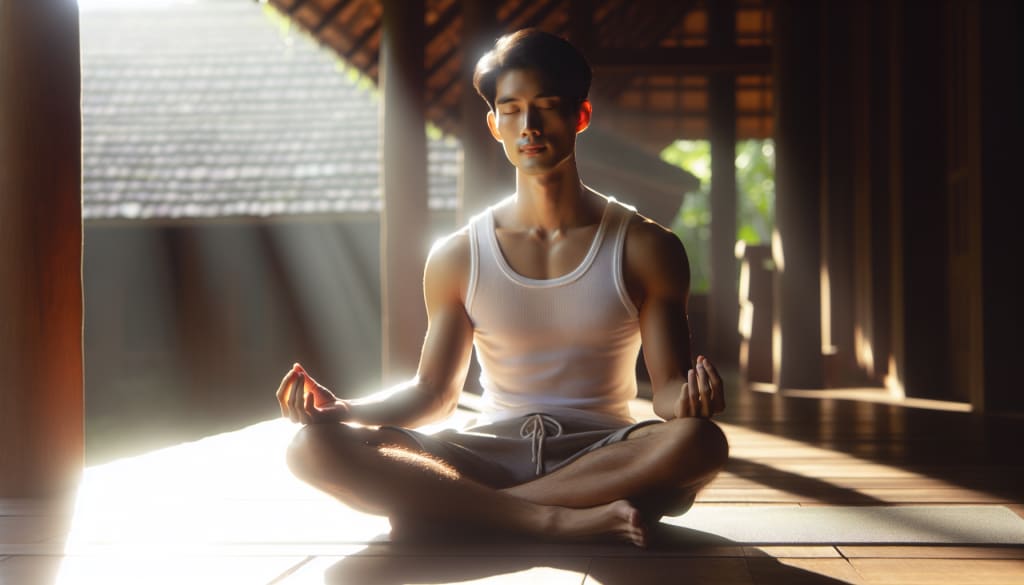
Guided imagery meditation is a gentle way to invite calmness and relaxation into your mind and body. It uses the power of imagination to create peaceful scenes that help you feel safe and centered. This practice can be especially helpful when stress feels overwhelming or when you need a moment to reset.
Here is a simple guided imagery meditation you can try anytime:
1) Find a quiet and comfortable place to sit or lie down. Close your eyes gently.
2) Take a slow, deep breath in through your nose, feeling your belly rise. Exhale softly through your mouth. Repeat two more times.
3) Imagine yourself in a beautiful, peaceful place. This could be a beach, a forest, a garden, or anywhere you feel calm.
4) Notice the details in this place. What do you see? The colors, shapes, and light. What sounds do you hear? The gentle rustle of leaves, waves lapping, or birds singing.
5) Feel the temperature on your skin. Is there a soft breeze or warm sunlight? Sense the textures around you—the sand beneath your feet, the grass, or smooth stones.
6) Allow yourself to breathe slowly and deeply as you explore this place in your mind. Stay here for a few minutes, soaking in the calm and safety.
7) When you are ready, slowly bring your attention back to your breath. Take three deep breaths, feeling your body awake and refreshed.
8) Gently open your eyes and carry this peaceful feeling with you.
This meditation helps your mind create a restful space where you can return anytime you need comfort or clarity.
Guided imagery meditation taps into your natural ability to create vivid mental pictures that soothe and relax. By engaging your senses through imagination, you can shift your focus away from stress and toward calm awareness. Practicing this regularly can deepen your sense of peace and help you manage daily challenges with more ease and presence through the mindful imagery meditation
"Benefits of Guided Imagery Meditation
Guided imagery meditation can reduce anxiety and improve emotional well-being. It activates the relaxation response in the nervous system, lowering heart rate and easing muscle tension. Many people find it helpful for improving sleep and boosting creativity. It also enhances mindfulness by training your mind to focus gently and kindly on the present moment.
Tips for a Successful Practice
1) Choose a time when you won’t be disturbed. Even five minutes can make a difference.
2) Use a soft voice recording or a meditation app if you prefer guidance.
3) Personalize your imagery. The place you imagine should feel safe and inviting to you.
4) Combine this meditation with gentle breathing to deepen relaxation.
5) Practice regularly to build a habit of calm and centeredness.
Expanding Your Practice
As you become more familiar with guided imagery, try creating different scenes that evoke various positive feelings—such as joy, gratitude, or courage. You can also include affirmations or gentle reminders to yourself within your visualization. This personal touch can make the meditation even more powerful and meaningful.
Guided imagery meditation is a simple yet profound tool that invites you to rest your mind and nourish your spirit. With practice, it can become a cherished part of your daily routine, helping you find calm no matter what life brings.
About the Creator
Keep reading
More stories from Black Mark and writers in Proof and other communities.
Cultivating Peace with Gratitude Meditation
Gratitude meditation is a gentle practice that helps us focus on the good in our lives. It invites calm and appreciation, easing stress and opening the heart. When we practice gratitude, we shift attention from what is lacking to what is present and nourishing.
By Black Markabout a month ago in Proof
Mastering the Library Bar Setup: A Bartender’s Guide
Non-judgmental awareness is a gentle way of paying attention to your present experience without labeling it as good or bad. It invites you to notice thoughts, feelings, and sensations as they arise, simply as they are. This practice helps create space between you and your reactions, allowing calm and clarity to grow.
By Ava Mitchella day ago in Proof
Crafting the Perfect Quiet Themed Cocktail
When you think of a ""quiet themed cocktail,"" you might imagine a drink that whispers rather than shouts—a subtle, elegant concoction that invites calm and introspection. These cocktails are perfect for moments when you want to unwind quietly, enjoy a peaceful evening, or create a serene atmosphere at your next gathering. The secret is in the balance: gentle flavors, smooth textures, and a touch of sophistication.
By Ava Mitchell2 days ago in Proof


Comments
There are no comments for this story
Be the first to respond and start the conversation.