
Cocktail Ratios Explained: The Science Behind a Balanced Drink
Learn how mastering the golden ratio can elevate your cocktails from average to unforgettable.


If you've ever sipped a cocktail that was too sour, overly boozy, or just flat-tasting, chances are the ratio was off. The secret behind every great cocktail isn’t just quality ingredients — it’s balance. Understanding cocktail ratios is one of the most fundamental skills any aspiring home bartender can master. It’s what separates a forgettable drink from a beautifully composed one.
Let’s break down the basic structure behind a balanced cocktail, why ratios matter, and how you can use them to craft delicious drinks every time.
The Golden Ratio: 2:1:1
The most common and reliable cocktail formula is the 2:1:1 ratio. That’s:
2 parts base spirit
1 part sour (usually lemon or lime juice)
1 part sweet (like simple syrup or liqueur)
This classic balance is the foundation for many drinks — from the Daiquiri to the Whiskey Sour — and it offers the perfect interplay between strength, acidity, and sweetness.
Once you understand this structure, you can experiment confidently, adjusting flavors to suit your preferences while maintaining equilibrium.
Why Ratios Matter
Unlike cooking, where you can throw in a pinch of this or a splash of that, cocktails rely on precise proportions. Small shifts can dramatically change a drink’s profile. Too much sour and your cocktail becomes harsh. Too much sweet and it’s cloying. Ratios are the science of mixology — your blueprint for consistency and quality.
Moreover, ratios make scaling easy. Want to make a pitcher for guests? Just multiply the ingredients proportionally. No guesswork. No imbalance.
When to Stir vs. Shake
Understanding ratios also helps you decide how to build your cocktail. Generally, if your drink includes juice, dairy, or egg whites, it should be shaken to combine and aerate the ingredients. Spirit-forward cocktails like Manhattans or Martinis are stirred to preserve clarity and texture.
Even in technique, balance matters.
Tweaking the Ratio
The 2:1:1 ratio is a guideline — not a rule. Tastes vary, and so do ingredients. For example:
If using a very sweet liqueur instead of syrup, reduce the sweet element slightly.
Fresh citrus juice can differ in acidity, so taste as you go.
Some base spirits, like overproof rum or smoky mezcal, may benefit from slightly more sweet or sour to tame their intensity.
The more you mix, the better you’ll become at sensing what a cocktail needs — but always start with a balanced base.
Classic Ratios Beyond 2:1:1
Some iconic drinks use different structures:
Old Fashioned: 2 oz spirit + sugar + bitters (low dilution, spirit-forward)
Martini: 2:1 or 5:1 (gin to vermouth, depending on preference)
Negroni: 1:1:1 (gin, vermouth, Campari — a perfect trinity)
Knowing these traditional formats helps you explore and even invent new drinks confidently.
Want to Practice the Perfect Balance?
Mastering cocktail ratios becomes much easier when you have access to reliable, easy-to-follow recipes. That’s why we created this ultimate collection of balanced cocktail recipes designed specifically for home bartenders. Whether you’re just starting out or looking to refine your palate, these recipes will guide you through every step with perfect proportions and smart tips.
Cocktail ratios are more than numbers — they’re the backbone of every successful drink. Once you understand the relationship between spirit, sour, and sweet, you unlock creative freedom without losing harmony. Whether you’re following a recipe or inventing your own, keeping ratios in mind ensures your cocktails hit the right note every time.
So the next time you mix a drink, pause to think about balance. With the right ratio, you’re not just making a cocktail — you’re creating something memorable.
About the Creator
Sofia Mertinezz
A renowned cocktail mixologist and the owner of a popular speakeasy-style bar in the French Quarter. Her innovative approach to classic cocktails has earned her a loyal following.
Keep reading
More stories from Sofia Mertinezz and writers in Proof and other communities.
DIY Cocktail Garnishes That Will Impress Your Guests
A beautifully crafted cocktail is more than just a tasty drink — it’s an experience. One of the easiest ways to elevate your cocktails from average to unforgettable is through the use of eye-catching, flavorful garnishes. While a lime wedge or cherry may get the job done, going the extra mile with a unique garnish will leave a lasting impression on your guests — and maybe even get your creation trending on social media.
By Sofia Mertinezz9 months ago in Proof
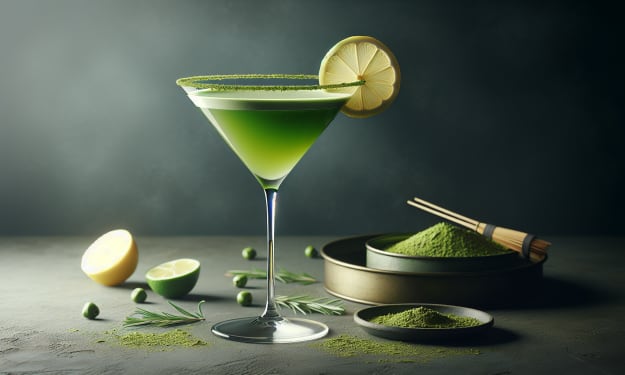
Matcha Cocktails: Green Tea Drinks with a Kick
Matcha isn’t just for your morning latte anymore. This vibrant green powder, made from finely ground Japanese green tea leaves, has stormed the cocktail world with its earthy flavor, bright color, and health perks. If you’re looking for a refreshing drink that packs antioxidants and a gentle caffeine boost, matcha cocktails are your new best friend.
By Andrea Martinez3 days ago in Proof
Berry Cocktails: Fresh and Antioxidant-Packed Summer Sips
Summer calls for vibrant, refreshing drinks that not only taste amazing but also boost your health. Berry cocktails fit this bill perfectly. Bursting with fresh berries, these cocktails bring a natural sweetness and a punch of antioxidants that help fight free radicals. From strawberries and blueberries to raspberries and blackberries, the range of berries offers a colorful palette and a wealth of nutrients.
By Andrea Martinez5 days ago in Proof



Comments (1)
I've had my fair share of off - balanced cocktails. The 2:1:1 ratio makes sense. But what if I want a stronger base spirit? Can I just increase that part while keeping the others the same? And how do different types of spirits affect this ratio? Understanding when to stir or shake is crucial too. I wonder if there are other ratios that work well for non - classic cocktails. Maybe a 3:1:1 for a bolder flavor? It's all about finding that perfect balance, whether it's adjusting ratios or choosing the right technique.