
Bitter Flavor Psychology: Why We Crave the Bite

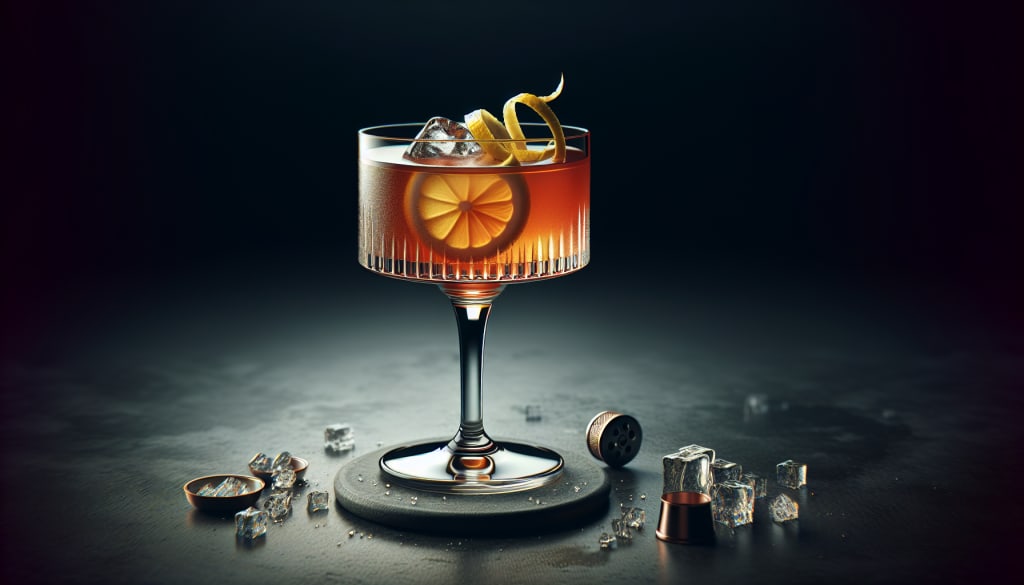
Bitter flavors have a curious place in our taste universe. Unlike sweet or salty, bitterness often triggers a cautious reaction in the brain — it’s nature’s warning sign for toxins and poisons. Yet, millions of people worldwide actively seek out bitter tastes in food and drinks, from black coffee to bitter greens to complex cocktails. What’s going on inside our minds and bodies when we crave that sharp, biting flavor?
The psychology of bitterness is a fascinating dance between biology, culture, and personal experience. Biologically, our taste buds contain receptors specifically tuned to detect bitter compounds. This sensitivity evolved as a survival mechanism to help us avoid harmful substances. But over time, humans have learned to appreciate and even enjoy bitterness, especially when balanced with other flavors.
Culturally, bitterness often symbolizes sophistication and acquired taste. Think of the ritual of sipping a bitter aperitif before dinner or the slow appreciation of dark chocolate and craft beer. These experiences shape our brain’s reward pathways, associating bitter flavors with social bonding, relaxation, or even status.
On a personal level, exposure matters. People who grow up drinking bitter herbal teas or enjoying bitter vegetables tend to develop a liking for those flavors. Their brains adapt, reducing the aversive response and increasing pleasure signals.
Here’s a cocktail recipe that celebrates bitter flavor in all its glory — a modern twist on the classic Negroni, designed to highlight the complex bitterness while keeping it smooth and approachable.
**Bitter Harmony Cocktail**
1) 30 ml Gin
2) 30 ml Campari
3) 30 ml Sweet Vermouth
4) 10 ml Aperol
5) 1 dash Orange Bitters
6) Orange peel for garnish
**Method:**
Fill a mixing glass with ice. Pour in gin, Campari, sweet vermouth, Aperol, and a dash of orange bitters. Stir gently for about 30 seconds until well chilled. Strain into a rocks glass over a large ice cube. Express the orange peel over the drink and drop it in for aroma.
This cocktail layers bitterness from Campari and Aperol with the herbal sweetness of vermouth and the botanical punch of gin. The orange bitters and peel add brightness that lifts the whole experience, making the bitter notes feel balanced and intriguing rather than harsh.
Understanding why bitterness appeals to us helps bartenders craft drinks that resonate on a deeper level. It’s not just about taste; it’s about how flavors connect with memories, emotions, and culture to create an experience worth savoring.
Bitter flavor is more than a taste; it’s a psychological trigger that involves our survival instincts, cultural backgrounds, and personal histories, shaping how we experience and enjoy complex drinks and foods with depth and character like the Bitter Harmony cocktail recipe
"The Evolutionary Roots of Bitterness
Our ancestors’ ability to detect bitterness likely saved lives. Bitter taste buds alert us to alkaloids and other toxic compounds found in some plants. But over thousands of years, humans learned to harness bitterness by processing foods to remove toxins or by pairing bitter ingredients with complementary flavors.
Bitterness and Brain Chemistry
When we taste bitterness, the brain initially reacts with caution. However, repeated exposure can activate reward centers, releasing dopamine and creating pleasure. This explains why some people come to crave coffee or bitter cocktails despite their initial aversion.
Cultural Influences on Bitter Taste
In Italy, the Negroni and Campari are cultural staples; in Japan, bitter green tea is revered; in many African cuisines, bitter leaves are prized for their health benefits. These cultural practices teach the brain to associate bitterness with positive experiences and social rituals.
How to Train Your Bitter Palate
If bitterness isn’t your friend yet, start slow. Try mixing bitter ingredients with sweet or sour elements to soften the impact. Gradually increase bitterness to build tolerance and appreciation. Over time, you may find yourself reaching for that bitter sip with anticipation rather than hesitation.
Bitter Flavors in Modern Mixology
Bartenders today experiment with bitter infusions, from gentian root to bitter herbs, crafting cocktails that challenge and delight. Understanding bitter flavor psychology is key to creating balanced drinks that surprise and satisfy.
Embracing bitterness opens a whole new world of flavor complexity and sensory pleasure. It’s a journey worth taking for anyone who loves drinks with character and soul.
About the Creator
Ava Mitchell
Spirits writer and editor, focusing on cocktail culture and trends.
Keep reading
More stories from Ava Mitchell and writers in Proof and other communities.
Mastering Your Home Bar Night Routine
There’s something magical about a home bar night routine. It’s not just about mixing drinks; it’s about creating a vibe, a ritual that transforms an ordinary evening into a mini celebration. Whether you’re unwinding after a long day or hosting a few friends, having a smooth, enjoyable routine can make all the difference.
By Ava Mitchell2 months ago in Proof
Herbal Tea Cocktails: Sip Your Way to Calm and Wellness
Herbal tea cocktails are the unsung heroes of the cocktail world—infusions that soothe, refresh, and elevate your drinking experience without the usual buzz. They blend the ancient wisdom of tea with the art of mixology, crafting drinks that calm the nerves and tantalize the taste buds. Whether you’re winding down after a long day or looking for a wellness boost with a twist, herbal tea cocktails bring nature’s best flavors to your glass.
By Stella Rossi7 days ago in Proof
Two Grumpy Old Men Solve the Problem
Marty and Steve were two grumpy old men who lived together. They had known each other for years. Marty had been a bachelor all his life. Steve said it was because no one could stand to ever live with. Marty’s standard reply was “Well, you are, so what sort of a moron does that make you!”
By Calvin London2 days ago in Humor


Comments
There are no comments for this story
Be the first to respond and start the conversation.