
baltasar engonga
The viral videos and the Scandal

The scandal surrounding Baltasar Ebang Engonga, a high-ranking official in Equatorial Guinea, has shaken both the government and the public. Engonga, who served as the Director General of the National Financial Investigation Agency, was responsible for overseeing financial integrity and anti-corruption efforts. Ironically, his own actions have brought significant moral and ethical concerns into the public eye, igniting a widespread debate about abuse of power, personal responsibility, and government accountability in Equatorial Guinea.
Background of the Scandal
The scandal erupted when authorities discovered a series of explicit videos on Engonga's computer. The videos reportedly showed Engonga in intimate situations with various women, including the wives of prominent officials and influential members of society. The recordings were leaked online, quickly going viral and prompting both outrage and disbelief across the nation. These videos not only exposed Engonga’s personal misconduct but also opened a window into deeper systemic issues within the country’s leadership.
Public Reaction: Outrage and Disappointment
The people of Equatorial Guinea reacted with a mixture of shock, anger, and disillusionment. As a government figure entrusted with financial and ethical oversight, Engonga’s behavior represents a fundamental breach of public trust. Citizens took to social media, calling for accountability and expressing frustration with what they perceived as unchecked corruption and moral failure at the highest levels of power.
Many saw this incident as symbolic of a broader issue: the sense that those in power operate by a different set of rules. For years, public officials have been scrutinized for corruption, and this scandal has added fuel to the fire, leading many to wonder if other leaders might be involved in similar misconduct. Public discourse shifted from focusing solely on Engonga to broader questions about whether other officials misuse their authority in equally harmful ways.
Impact on Families and Personal Lives
The scandal has not only affected Engonga but has also caused deep personal pain for the individuals featured in the videos and their families. Many of the women involved are said to be married to high-ranking officials or respected community figures, adding layers of personal betrayal and public humiliation. Families connected to the individuals in the videos now face strained relationships, judgment from the community, and significant emotional turmoil. For some, the personal damage could be irreparable, with longstanding relationships destroyed and social reputations damaged beyond repair.
The involvement of married individuals has led to further questions about consent, as well as the ethical implications of an official using his position and influence to engage in these relationships. Some speculate that there may have been coercive elements involved, raising further concerns about power dynamics and abuse.
Damage to National Reputation
The scandal has reverberated beyond the borders of Equatorial Guinea, catching the attention of international media and observers. Many news outlets have reported on the scandal, and the global spotlight has cast a negative view on the country’s leadership and ethical standards. For a nation already grappling with challenges related to human rights and governance, this incident has only deepened concerns about accountability and integrity within the government.
Debates on Power Dynamics and Privacy Violations
The scandal also prompted discussions on issues of privacy and consent. The videos, which were reportedly found without the consent of all involved parties, have sparked an ethical debate on whether they should have been made public. The leaking of these videos has further complicated matters, raising questions about how society handles issues of privacy in an era of digital exposure and social media.
The incident highlights the complexities of power dynamics within the government and society, particularly when those in power leverage their status in personal relationships. Many citizens are now questioning how prevalent this dynamic might be, and some are calling for stricter policies to prevent such abuses.
Health and Legal Concerns
As the scandal unfolded, reports emerged suggesting that authorities are also considering the public health implications of Engonga’s actions. Given the number of individuals reportedly involved, some have expressed concerns over the possible transmission of sexually transmitted diseases (STDs). Authorities are rumored to be conducting investigations into health risks and considering legal measures in response to the scandal.
From a legal standpoint, Engonga’s conduct might have repercussions that go beyond just social and political fallout. His actions could lead to disciplinary actions or legal consequences, especially if further investigation uncovers evidence of coercion or other forms of misconduct.
Calls for Reform and Accountability
In the wake of this scandal, there has been a noticeable increase in public demand for governmental reform and ethical accountability. Citizens and activists are calling for more transparent investigations into the conduct of public officials and for reforms aimed at addressing corruption within government institutions. Many have expressed hope that the scandal could be a catalyst for systemic change, prompting leaders to adopt policies that enforce ethical standards and accountability in governance.
The scandal has already led to discussions within government circles on potential reforms. Public calls for accountability have put pressure on officials to show that they take the matter seriously, as ignoring it would likely only further erode public trust. Some officials have expressed solidarity with the public, promising to address the issues raised by this incident.
The Legacy of the Scandal
The scandal surrounding Baltasar Engonga will likely have lasting effects on Equatorial Guinea’s political landscape. It has served as a reminder to citizens and officials alike of the importance of integrity in leadership and the damaging consequences of corruption and ethical breaches. The scandal has also illuminated the vulnerability of individuals who are connected to power, whether by their relationships or by societal standing, bringing home the importance of both personal and public accountability.
For many, this incident has been a moment of reckoning, and it could signal a turning point in how the public views and interacts with their leaders. While the immediate future may be filled with public scrutiny and possible legal consequences, the long-term impact could lead to a push for more ethical governance and a heightened demand for transparency in Equatorial Guinea.
About the Creator
Damian Dash
Proponent of propagating honest media
Keep reading
More stories from Damian Dash and writers in Proof and other communities.
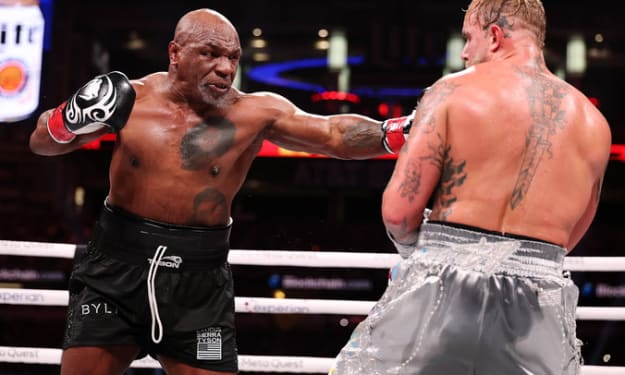
Milke Tyson Vs. Jake Paul
The highly anticipated fight between Mike Tyson and Jake Paul was more than just a boxing match—it was an emotionally charged event that stirred nostalgia, sparked controversy, and ignited debates about legacy, age, and the evolution of the sport. For many, this fight symbolized the clash of eras: a storied past represented by Tyson, the "Baddest Man on the Planet," against the brash and unconventional rise of Jake Paul, a YouTuber-turned-boxer.
By Damian Dashabout a year ago in Men
Herbal Tea Cocktails: Sip Your Way to Calm and Wellness
Herbal tea cocktails are the unsung heroes of the cocktail world—infusions that soothe, refresh, and elevate your drinking experience without the usual buzz. They blend the ancient wisdom of tea with the art of mixology, crafting drinks that calm the nerves and tantalize the taste buds. Whether you’re winding down after a long day or looking for a wellness boost with a twist, herbal tea cocktails bring nature’s best flavors to your glass.
By Stella Rossi2 days ago in Proof
Belle of the Bayou
Bad move, cher. Not just the slip of her kitten heel on the rainy February cobblestones in the Fourth Ward. She got caught snooping. Detective Deleon clucked and strutted like a rooster in his rush to clear her from the scene, waving cigar smoke to and fro as he gesticulated amid the thick air of the speak easy. An experienced crime reporter, Marie knew better than to let the coppers catch her on the wrong side of the line, but curiosity had gotten the better of her.
By Maia Gadwall the metAlchemist7 days ago in Fiction


Comments
There are no comments for this story
Be the first to respond and start the conversation.