
11 Animals That Live Longer Than Humans
Discover the Creatures That Outlive Us by Decades or Even Centuries


Humans are among the longest-living mammals, with an average lifespan of 70 to 80 years. However, several animals can live far longer, some even for centuries! From deep-sea dwellers to giant reptiles, these species have adapted to survive extreme conditions and slow aging processes.
In this blog, we explore 11 incredible animals that outlive humans and the fascinating reasons behind their longevity.
---
1. Greenland Shark (Somniosus microcephalus) – 250 to 500 Years
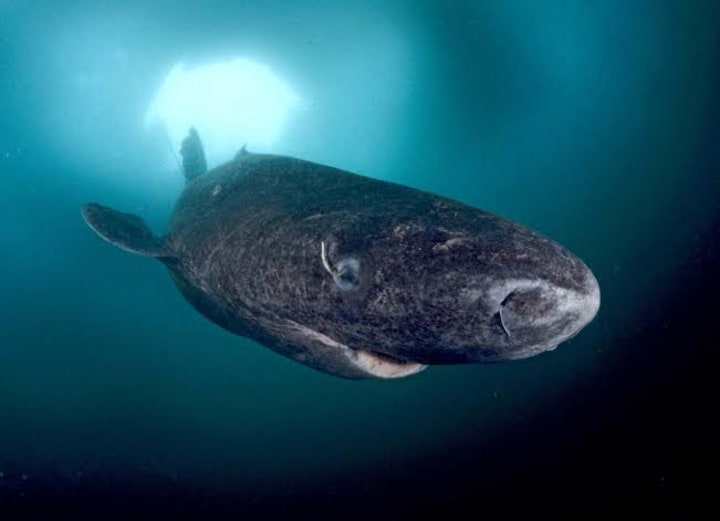
The Greenland shark holds the record for the longest-known lifespan of any vertebrate. These deep-sea sharks, found in the Arctic and North Atlantic Oceans, can live for 400 years or more.
Why do they live so long?
Extremely slow metabolism due to cold environments
Grow at a rate of only 1 cm per year
Late maturity (reproduce only after 150 years)
---
2. Ocean Quahog (Arctica islandica) – 200 to 500 Years

A species of clam, the ocean quahog, holds the record for the longest-living non-colonial animal. One individual, nicknamed "Ming," was found to be 507 years old!
Why do they live so long?
Slow metabolism in cold, deep-sea environments
Protective shell shields them from predators
---
3. Bowhead Whale (Balaena mysticetus) – 200+ Years

The bowhead whale is the longest-living mammal, with some individuals exceeding 200 years. Found in the Arctic, these massive whales have genes that slow aging and repair DNA damage.
Why do they live so long?
Thick blubber protects against extreme cold
Special genes reduce cancer risks
---
4. Rougheye Rockfish (Sebastes aleutianus) – 200+ Years
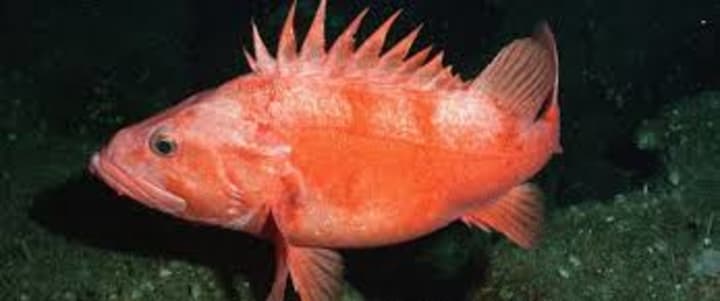
This deep-sea fish from the Pacific Ocean can live more than 200 years, making it one of the longest-living fish species.
Why do they live so long?
Slow growth rate and late reproduction
Adaptation to deep, stable ocean environments
---
5. Aldabra Giant Tortoise (Aldabrachelys gigantea) – 150+ Years

The Aldabra giant tortoise, native to Seychelles, is one of the longest-living reptiles. One famous tortoise, Adwaita, reportedly lived over 250 years!
Why do they live so long?
Slow metabolism
Minimal predators in island habitats
---
6. Galápagos Tortoise (Chelonoidis nigra) – 150+ Years

The Galápagos tortoise is another long-living reptile, with lifespans exceeding 150 years. One individual, Harriet, lived to be 175 years old.
Why do they live so long?
Slow-moving lifestyle and low metabolic rate
Evolutionary adaptation to scarce food resources
---
7. Red Sea Urchin (Strongylocentrotus franciscanus) – 200+ Years

Red sea urchins, found in Pacific coastal waters, show no signs of aging and can live over 200 years.
Why do they live so long?
Continuous cell regeneration
Protection from most predators in deep waters
---
8. Freshwater Pearl Mussel (Margaritifera margaritifera) – 250+ Years

These freshwater mussels, found in Europe and North America, can live over 250 years due to their slow growth and protective shells.
Why do they live so long?
Low metabolism in cold freshwater habitats
Resistance to environmental stress
---
9. Tube Worms (Riftia pachyptila) – 250+ Years

These deep-sea creatures, found near hydrothermal vents, can live for over 250 years in extreme conditions.
Why do they live so long?
Stable, low-energy deep-sea environment
Symbiotic bacteria provide nutrients
---
10. Lobsters (Nephropidae) – 100+ Years
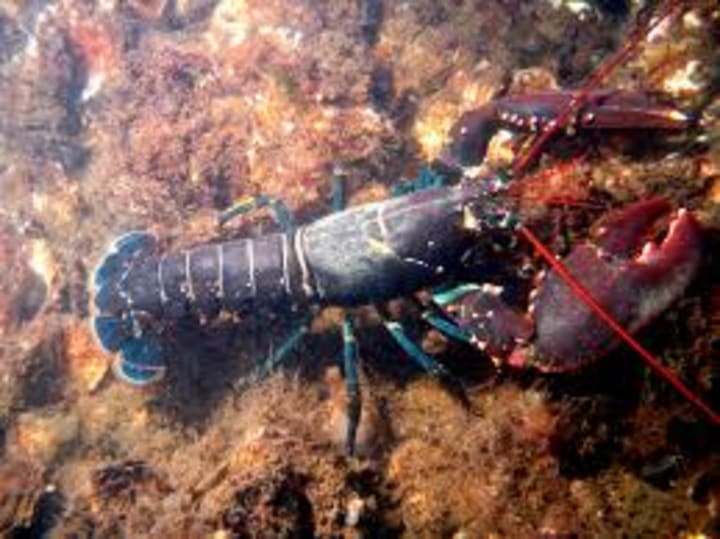
Lobsters exhibit negligible aging, meaning they don’t weaken over time. Some wild lobsters are estimated to be over 140 years old.
Why do they live so long?
Unique DNA repair mechanisms
Constant cell renewal due to high levels of telomerase enzyme
---
11. Koi Fish (Cyprinus rubrofuscus) – 100 to 200 Years

Domesticated koi fish, especially in Japan, can live over 100 years. One koi, Hanako, lived for 226 years!
Why do they live so long?
Controlled breeding and careful feeding
Slow aging genes
---
Conclusion
From the Greenland shark’s 400-year lifespan to the bowhead whale’s genetic resistance to aging, these animals have evolved unique survival strategies to outlive humans by centuries. Their slow metabolisms, stable environments, and remarkable DNA repair mechanisms make them nature’s longest-living creatures.
While humans may not live for centuries, studying these long-lived species could help scientists uncover secrets to slowing aging and extending human lifespans in the future!
Which of these long-lived creatures fascinates you the most? Let us know in the comments!
About the Creator
Keep reading
More stories from INFO INSIDER and writers in Proof and other communities.
Which Country Is The Largest Producer Of Pearls
Introduction Pearls, often referred to as the “queen of gems,” have captivated human fascination for centuries. With their natural beauty and cultural significance, pearls are a symbol of elegance, wealth, and sophistication. Among the countries contributing to the global pearl industry, one stands out as the largest producer, redefining the art of pearl cultivation. This blog delves into the country that dominates pearl production, exploring its methods, history, and global impact.
By INFO INSIDER about a year ago in Proof
The Magic of Barrel Aged Cocktails: Oak, Whiskey, and Craftsmanship
Barrel aged cocktails are the secret weapon of bartenders who want to add depth, complexity, and a whisper of history to their drinks. Imagine your favorite whiskey, rum, or spirit resting quietly in an oak barrel, slowly absorbing wood tannins, vanilla, caramel, and spice notes. This aging process transforms simple cocktails into rich, velvety experiences that dance on your palate.
By Marcus Petrov5 days ago in Proof


Comments (3)
Interesting. Here's mine https://shopping-feedback.today/authors/danielle-mosley-rrf0n40ghs%3C/span%3E%3C/span%3E%3C/span%3E%3C/a%3E%3C/p%3E%3C/div%3E%3C/div%3E%3C/div%3E%3Cstyle data-emotion-css="w4qknv-Replies">.css-w4qknv-Replies{display:grid;gap:1.5rem;}
Wonderful work. Congratulations!
Hello, just wanna let you know that if we use AI, then we have to choose the AI-Generated tag before publishing 😊