
Visibility Matters: LGBTQ+ Life in Urban Areas Compared to Small Towns
In the ongoing journey toward LGBTQ+ equality and acceptance, the social landscape of urban areas and small towns presents two distinct but interconnected realities. While urban areas often serve as havens of visibility and support for LGBTQ+ individuals, small towns can pose unique challenges and opportunities.

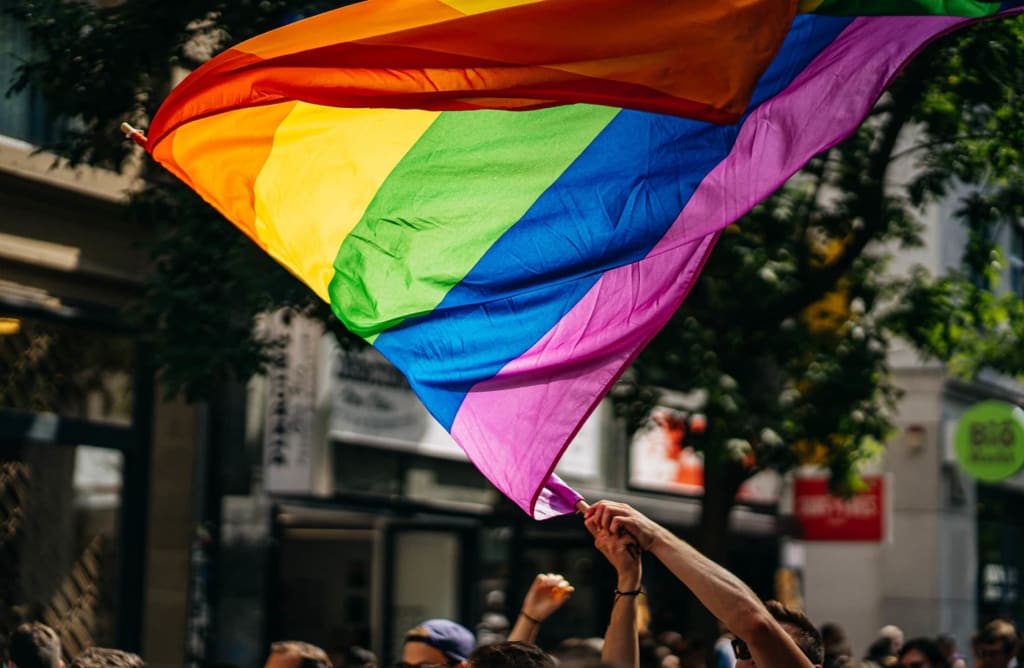
Understanding these dynamics is crucial for fostering inclusivity and advancing LGBTQ+ rights across all communities.
Urban Areas: Beacons of Visibility and Acceptance
Thriving LGBTQ+ Communities: Urban areas are renowned for their vibrant LGBTQ+ communities, characterized by a rich tapestry of cultural events, support networks, and inclusive spaces. Cities often boast numerous LGBTQ+ pride parades, community centers, and social venues that provide safe spaces for expression and celebration.
Visibility and Representation: Cities are typically home to a diverse array of LGBTQ+ media outlets, organizations, and public figures. This visibility not only fosters a sense of belonging but also contributes to greater societal acceptance. Television shows, films, and media coverage often reflect the diversity of LGBTQ+ experiences, helping to normalize and validate these identities.
Supportive Resources: Urban areas usually offer a broad spectrum of resources tailored to LGBTQ+ needs, including healthcare services, counseling, and legal assistance. Specialized clinics and support groups are more accessible, providing crucial help in areas such as mental health, HIV/AIDS care, and legal rights.
Inclusive Policies: Cities often lead the way in implementing progressive policies that protect LGBTQ+ individuals from discrimination in employment, housing, and public services. Advocacy groups and community organizations work actively to ensure that these protections are enforced and expanded.
Small Towns: Challenges and Resilience
Limited Visibility: In small towns, LGBTQ+ visibility can be significantly limited. The lack of LGBTQ+-specific spaces and events means that individuals may struggle to find community and support. This limited visibility can contribute to isolation and make coming out a more daunting experience.
Cultural Conservatism: Small towns often have more conservative social norms, which can lead to challenges in acceptance and understanding of LGBTQ+ identities. This conservatism can manifest in discriminatory attitudes, resistance to change, and limited support from local institutions.
Fewer Resources: Access to LGBTQ+-friendly resources in small towns is often scarce. This includes healthcare, counseling services, and legal support, which are crucial for addressing the specific needs of LGBTQ+ individuals. The absence of these resources can exacerbate feelings of isolation and marginalization.
Close-Knit Communities: While small towns can present challenges, they offer unique opportunities for close-knit community building. LGBTQ+ individuals often form strong, supportive networks and alliances, sometimes creating grassroots organizations and safe spaces to foster acceptance and solidarity.
Bridging the Gap: Strategies for Greater Inclusivity
Enhancing Visibility in Small Towns: Increasing visibility for LGBTQ+ individuals in small towns involves creating more inclusive spaces and events. This can be achieved through local pride events, LGBTQ+ groups, and educational programs that promote understanding and acceptance.
Leveraging Technology and Social Media: Technology can serve as a lifeline for LGBTQ+ individuals in small towns. Online communities, social media platforms, and virtual support groups provide essential connections and resources, helping individuals find support and solidarity beyond their immediate geographical location.
Education and Awareness: Promoting LGBTQ+ awareness and education in schools, workplaces, and community centers can help shift attitudes and foster a more inclusive environment. Programs that address LGBTQ+ issues and celebrate diversity can be instrumental in building understanding and acceptance.
Supporting Local Advocacy: Encouraging and supporting local advocacy efforts is crucial for driving change in both urban and rural areas. Grassroots organizations and community leaders play a vital role in advocating for LGBTQ+ rights, creating supportive networks, and addressing local challenges.
Celebrating Successes: Highlighting and celebrating successes in small towns can inspire others and demonstrate that positive change is possible. Sharing stories of LGBTQ+ individuals and organizations that have made a difference can provide hope and motivate further efforts towards inclusivity.
The contrast between LGBTQ+ life in urban areas and small towns underscores the diverse experiences and challenges faced by individuals across different environments. While urban areas often offer greater visibility and support, small towns present unique opportunities for building community and fostering resilience. By understanding these dynamics and working towards greater inclusivity and acceptance in all settings, we can advance the cause of LGBTQ+ equality and create a more supportive and understanding society for everyone.
About the Creator
Ryan
Write whatever I like :))
Hottest in the Office
Dear Rafi, You’re very distracting to work around. For the first second I saw you the other day, I thought you were some type of executive. It took a moment to realize no, you were just the new guy, dressed up for the job he wants. Be still, my heart.
By Gabriel Shames5 days ago in Pride
The Quiet Systems That Decide Whether People Trust You at Work
Shane Windmeyer is a North Carolina–based DEI strategist, speaker, and advisor who helps organizations build inclusive cultures grounded in trust, fairness, and measurable outcomes. And in almost every organization I’ve worked with, trust is not lost in one dramatic blow-up. It fades through patterns that repeat so often they start to feel normal.
By Shane Windmeyer6 days ago in Pride



Comments (1)
Lovely sharing.